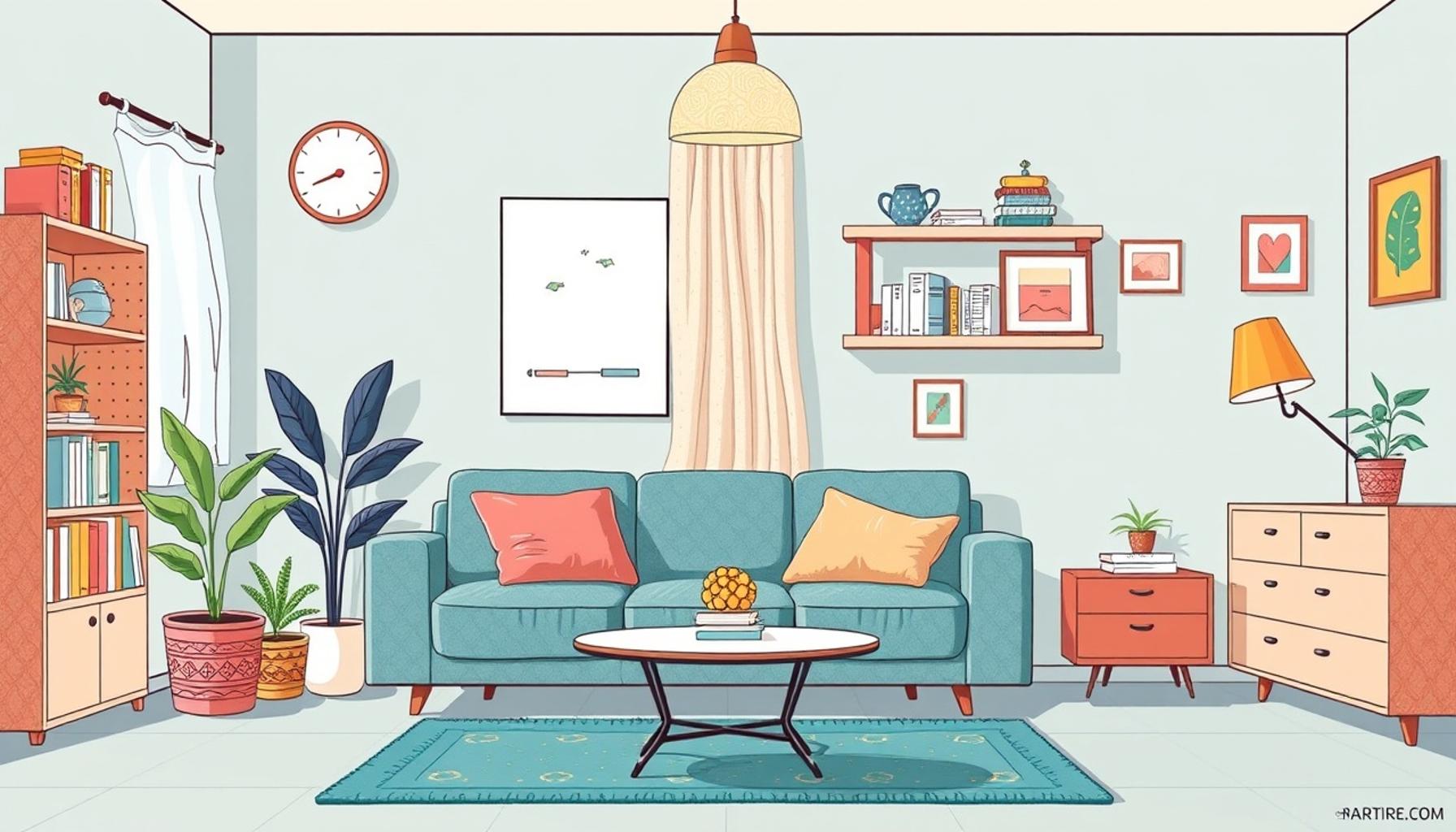
Intentional Living: Crafting a Purposeful Home through Minimalist Design
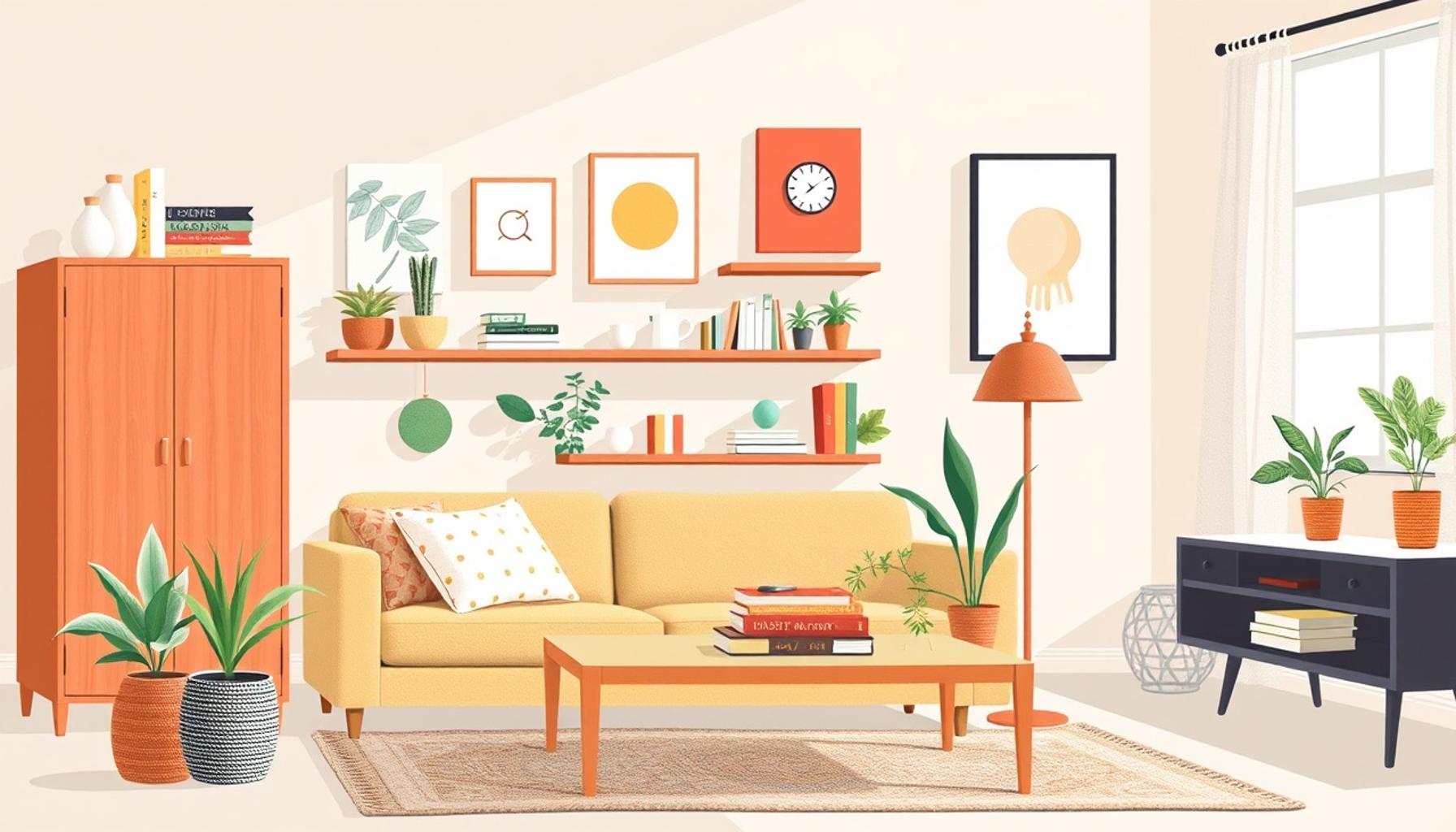
Understanding Intentional Living
In a world overflowing with possessions and busyness, the concept of intentional living has gained traction. This approach encourages individuals to evaluate their priorities and design their environments to reflect those values. By embracing a more streamlined, minimalist aesthetic, we can transform our homes into sanctuaries that foster clarity and purpose. This is particularly relevant in the United States, where consumer culture often drives an increasing accumulation of belongings, leaving many feeling overwhelmed rather than satisfied.
The Essence of Minimalist Design
Consider the following key elements of minimalist design:
- Functionality: Every item should serve a purpose, eliminating clutter and distractions. Instead of multiple decorative pieces, consider practical items like a stylish wall-mounted shelf or a multi-functional coffee table that doubles as storage.
- Quality over Quantity: Invest in fewer, high-quality pieces that enhance your living experience. Instead of a plethora of cheap furniture, choose a timeless wooden dining table or a well-crafted sofa that can anchor your living space for years.
- Emotional Resonance: Surround yourself with objects that inspire joy and positive feelings. This could mean displaying art from local artists that resonates with your identity or incorporating family heirlooms that carry rich histories.
The Psychological Benefits of Minimalism
Minimalism is not just about reducing physical possessions; it’s about cultivating a purposeful environment. Studies show that a simplified space can lead to enhanced mental clarity and reduced stress. A survey conducted by the National Sleep Foundation revealed that individuals who claim their homes are cluttered also report higher levels of stress and lower overall health. This transformation often begins by redefining what a home means to us and how we interact with our surroundings.
As you delve deeper into the principles of intentional living, you’ll discover strategies to create a space that reflects your ideals. This may involve engaging in activities such as decluttering your closet, establishing a capsule wardrobe, or re-evaluating your commitment to social obligations that crowd your schedule. Simple practices, like the ‘one in, one out’ rule—where you remove one item for every new item you bring into your home—can create an ebb and flow that maintains your designated quality over quantity approach.
Are you ready to embark on a journey towards a more meaningful and fulfilling home environment? As you start this process, keep in mind that creating a space that nurtures your life goals can bring profound satisfaction and a renewed sense of purpose. Each small decision contributes to the bigger picture of your intentional living journey.
Embracing Minimalism: Key Principles for an Intentional Home
As we navigate the complexities of modern life, the quest for intentional living often begins at home. By adopting minimalist design principles, we can create spaces that not only look aesthetically pleasing but also serve as a reflection of our values and aspirations. Minimalism is about more than just aesthetics; it’s a mindset that encourages mindful decision-making in what we own, possess, and ultimately surround ourselves with.
Establishing Your Intentions
Before diving into the physical aspects of minimalist design, it’s essential to establish clear intentions about what you wish to achieve. Consider the following questions to help clarify your vision:
- What makes me feel at peace in my home? Identify elements that evoke a sense of calmness and comfort. This could range from colors and textures to the arrangement of furniture.
- Which possessions truly add value to my life? Reflect on the items that hold emotional significance and contribute positively to your living experience.
- How do I want my space to reflect my lifestyle and values? Your home should be a visual representation of your priorities, whether that means showcasing art that inspires you or creating areas designated for relaxation and self-care.
The Power of Decluttering
The journey of minimalist living often begins with a thorough decluttering process. This is not merely about discarding items; rather, it’s a liberating act that gives room for clarity and purpose. Research indicates that individuals who engage in regular decluttering experience lower levels of anxiety and improved focus. According to a survey by the American Psychological Association, over 60% of respondents reported feeling overwhelmed specifically by their cluttered spaces. Thus, engaging in a decluttering strategy not only enhances your home’s visual appeal but can also lead to significant mental health benefits.
To streamline your decluttering process, try incorporating methods such as:
- The Marie Kondo Method: By evaluating each item’s “joy factor,” you can determine what to keep based on the happiness it brings.
- The Four-Box Method: Create four boxes labeled ‘Keep,’ ‘Donate,’ ‘Trash,’ and ‘Undecided’ to facilitate decision-making.
- Time-Based Sorting: Set a timer for a specific duration and focus on sorting one area at a time, preventing overwhelm.
Once you have decluttered, the next step is to reorganize your space in a manner that promotes function and accessibility. This process can involve rethinking existing furniture arrangements, trying out multi-functional furniture, and maintaining open spaces within your home. Emphasizing simplicity in design choices—like neutral color palettes, natural lighting, and ample negative space—can further enhance the tranquil atmosphere you’re striving for.
As you embark on your minimalist journey, remember that this is a personal and evolving process. It’s about creating a home that resonates with your life’s purpose and supports your daily activities. The key lies in being deliberate with your choices and ensuring that every item serves a clear and meaningful function.
| Advantage | Impact |
|---|---|
| Simplified Living | Emphasizes uncluttered spaces, leading to a clearer mind and reduced stress. |
| Increased Focus | Encourages a mindful approach to consumption and decoration, allowing individuals to prioritize what truly matters. |
In the realm of Intentional Living, minimalism serves as a powerful conduit for fostering a sanctuary of peace and productivity within the home. The principle of Simplified Living not only clears physical clutter but also facilitates emotional and mental clarity. By reducing excess, homes become spaces where one can breathe and recharge, contending with the overwhelming distractions of modern life.Furthermore, adopting a minimalist mindset enhances the ability to maintain Increased Focus. This allows individuals to center their attention on meaningful relationships, creative pursuits, and self-care. Rather than being bogged down by unnecessary possessions, residents can cultivate an environment that truly reflects their identity and aspirations. Designers and enthusiasts alike continue to advocate for these principles, highlighting how intentional space organization has a profound effect on overall well-being, aligning perfectly with the ethos of purposeful living. Embracing this shift not only transforms our homes but our lives as well.
Creating Functional Spaces: Designing with Purpose
Now that you have established clear intentions and cleared your space through decluttering, the next crucial step in intentional living is to design your home with a focused purpose. This involves creating functional spaces that not only cater to your daily activities but also nurture your well-being. Minimalist design emphasizes practicality while maintaining an inviting atmosphere, encouraging a harmonious balance between form and function.
The Art of Zoning
One effective way to enhance your space’s utility is through zoning. This involves designating specific areas for particular activities, allowing you to streamline your focus and increase efficiency. For example, consider the layout of a multipurpose room:
- Work Zone: Utilize a corner of your living space for a small desk and chair where work can happen without distractions. This creative work zone can be equipped with a few essential items, avoiding clutter while still encouraging productivity.
- Relaxation Area: Use soft furnishings like a comfortable chair or a small couch to create a cozy nook dedicated to reading or meditation. Incorporate a small bookshelf and some plants to enhance the tranquility of the space.
- Social Space: Arrange seating to encourage conversation, such as a circular or semi-circular layout that fosters community and connection with family and friends.
Utilizing a concept like zoning reinforces the minimalist philosophy by ensuring that every area serves a purpose — reducing excess while enriching your daily experience.
Mindful Material Selection
When designing your purposeful home, the materials used play an essential role. Select items that resonate with your values, such as sustainability and craftsmanship. Focusing on quality over quantity not only lessens clutter but also enhances the longevity of your furnishings. Look for materials that have a natural appeal, such as:
- Wood: Sustainable wood not only adds warmth and character to your space but is also an eco-friendly choice.
- Cotton and Linen: Natural textiles for upholstery or curtains can help create a calming environment, and they are biodegradable once their lifespan is over.
- Glass and Metal: These materials can bring modern elegance to your spaces while being durable and easy to maintain.
Additionally, seek out pieces that are handcrafted or made by local artisans, as they tend to carry unique stories and deeper connections to the community. Supporting local craftspeople aligns with the philosophy of intentional living, promoting sustainability by minimizing the carbon footprint of your purchases.
The Impact of Color and Light
Color and light are fundamental aspects of minimalist design, capable of transforming your home into a sanctuary. Opt for a neutral color palette — think whites, grays, and soft earth tones — that allows flexibility and promotes a sense of serenity. Accents of color can emerge through thoughtfully chosen decorative pieces or plants that breathe life into the design.
As for lighting, natural light should be maximized wherever possible. Large windows, skylights, and strategically placed mirrors can create an open and airy feel while reducing reliance on artificial sources. When selecting fixtures, consider minimalist designs that emit soft, warm light to create a welcoming ambiance in the evening hours.
By intertwining intentional spaces, mindful materials, and thoughtful color choices, the journey of crafting a purposeful home continues to unfold. An environment curated with intention not only brings comfort and clarity to the mind but also aligns closely with your personal values and lifestyle choices as you strive for a fulfilling and meaningful living experience.
Final Thoughts: Embracing Intentional Living
In conclusion, intentional living is more than a trend; it is a transformative approach that invites you to examine your surroundings and live meaningfully. By applying the principles of minimalist design, you can create a home that reflects your core values, nurtures your well-being, and fosters clarity in your everyday life. Through thoughtful design choices, such as strategic zoning, careful material selection, and an awareness of color and light, you can cultivate spaces that not only serve functional purposes but also enrich your emotional health.
This purposeful curation leads to a holistic living experience, where each item and space resonates with your aspirations. As you embark on your journey of designing a minimalist haven, remember to focus on quality over quantity. Seek out sustainable materials and support local artisans, reinforcing your commitment to a lifestyle that prioritizes consciousness and connection. Additionally, infuse your spaces with natural elements and light to foster environments that encourage peace and creativity.
Ultimately, crafting a purposeful home through minimalist design is about more than aesthetics; it is about making conscious choices that inspire joy and fulfillment. As you continue to explore the intersection of intentional living and design, you may discover that the journey itself becomes a powerful tool for growth and self-awareness. Let your home be a sanctuary that not only reflects who you are but also propels you toward who you aspire to be.

Beatriz Johnson is a seasoned minimalist and writer with a passion for simplifying the complexities of personal organization and intentional living. With over a decade of experience in decluttering strategies and mindful consumption, she specializes in topics like space optimization, habit simplification, and sustainable lifestyle choices. Through her work on our website, Beatriz empowers readers to embrace minimalism, reduce mental and physical clutter, and create more meaningful, organized lives in today’s fast-paced world.

Beatriz
Beatriz Johnson is a seasoned minimalist and writer with a passion for simplifying the complexities of personal organization and intentional living. With over a decade of experience in decluttering strategies and mindful consumption, she specializes in topics like space optimization, habit simplification, and sustainable lifestyle choices. Through her work on our website, Beatriz empowers readers to embrace minimalism, reduce mental and physical clutter, and create more meaningful, organized lives in today's fast-paced world.