
Computers and Devices
Why Keyboards Use the QWERTY Layout
QWERTY was born inside a nineteenth-century typewriter, and its odd letter order still shapes every phone and laptop today. Here is how it came about and why it stuck.

Short answers, deep articles and a quiz that shows you why the devices around you behave the way they do. Every explanation comes with a source.
Ten questions, the same for everyone today: today.
Today’s challenge is ready for you.
Each category has 30 questions at three difficulty levels and its own set of articles.
From the keyboard layout you type on to the sensors that recognize your fingerprint, everyday devices are full of design decisions with a story behind them.
Airplane mode, Bluetooth, the cloud and encryption: what really happens when your devices talk to each other and to the network.
Batteries, LEDs, solar panels, microwaves and induction cooktops: the physics behind gadgets we use without a second thought.
How QR codes and barcodes carry data, how cameras capture light, how compression shrinks files and how headphones erase noise.
Radio waves, light in glass, cables on the seafloor and satellites overhead: how information and time travel across long distances.
How machines sense, decide and move: 3D printers, drones, robots, voice assistants and recommendation systems.
Learn in four simple steps. Nothing to install and nothing to sign up for.
Choose one of six topics or mix them all.
Easy, medium, hard or mixed, with 10, 20 or 30 questions.
After each answer you get a short explanation and a link to the source.
See every answer at the end and jump to the article behind each question.
The Sholes and Glidden typewriter went on sale in 1874 with a QWERTY-style keyboard, and that arrangement has outlived the machine it was designed for by well over a century.
One deep dive from each category, a good place to start.
QWERTY was born inside a nineteenth-century typewriter, and its odd letter order still shapes every phone and laptop today. Here is how it came about and why it stuck.
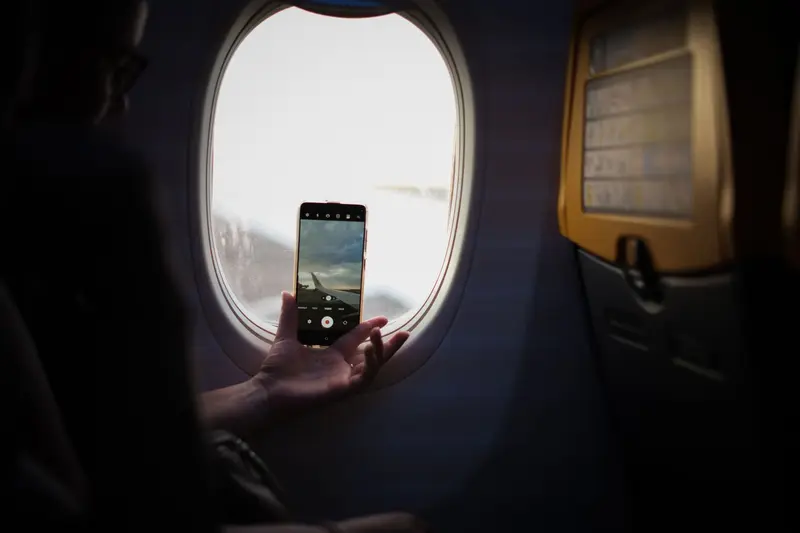
Airplane mode is a single switch that shuts down a phone's transmitters. Here is which radios it silences, why cellular signals are the real concern, and what stays on.
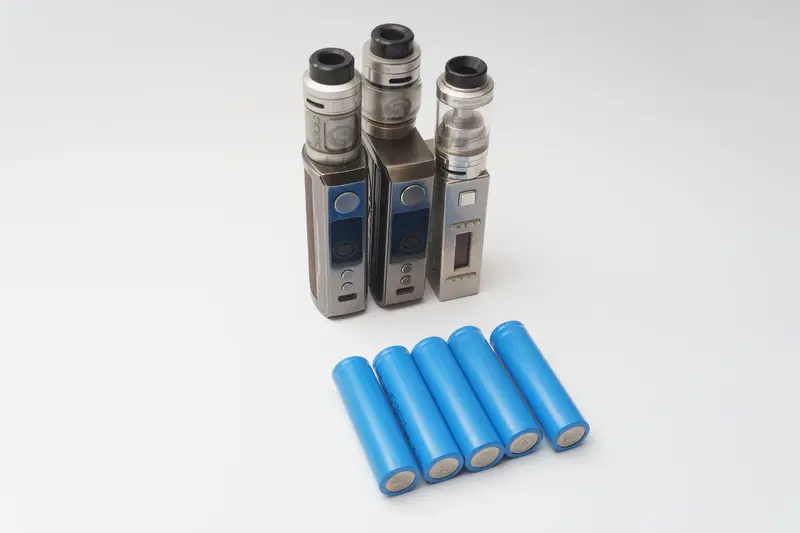
A rechargeable battery does not hold electricity. It holds chemical potential, and lithium ions moving between two electrodes turn that potential into current and back again.
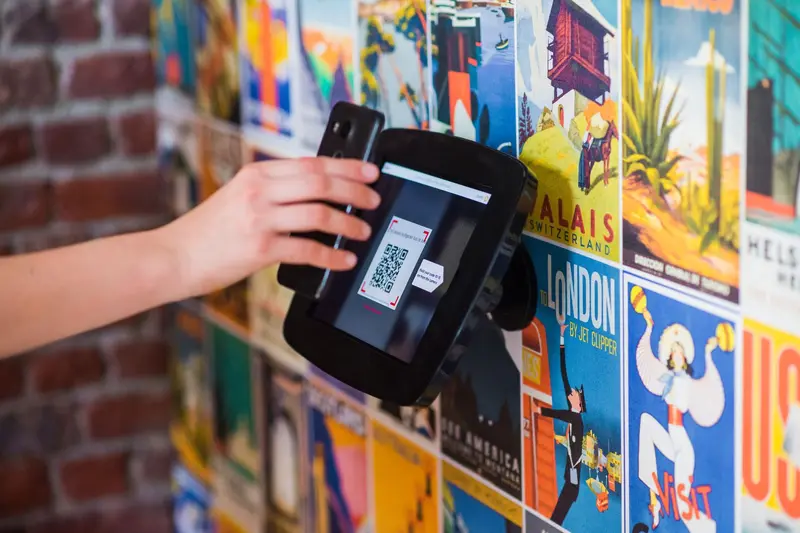
A QR code is a tiny map of black and white squares that carries text, a layout for finding itself, and enough redundancy to survive scratches and smudges.
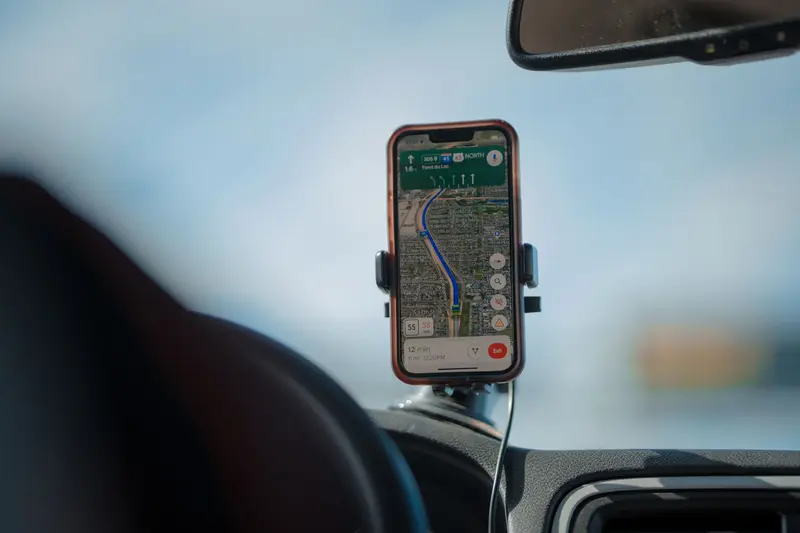
GPS is really a timing system. A billionth of a second equals about 30 centimeters of error, which is why satellites carry atomic clocks and relativity must be corrected.

A quadcopter is inherently unstable, yet it hovers almost motionless. The secret is a fast feedback loop that corrects errors hundreds of times per second.
A quick look at ideas explained in depth in our articles.
Articles checked against their sources on the dates shown.
Every question links to the article and the institutional source behind it. See how we research, write and check.