Creating Space for What Matters: Intentional Living Through Decluttering

The Shift Towards Intentional Living
In an era dominated by consumerism and overwhelming choices, many individuals find themselves grappling with the consequences of material accumulation. As we accumulate more possessions, the spaces we inhabit can quickly transform from sanctuaries of relaxation into sources of stress. This clutter not only occupies physical space but can also create significant mental fatigue, impeding our ability to focus on life’s essential elements. Herein lies the promise of intentional living, a philosophy centered around making deliberate choices that enhance our well-being and enrich our lives.
Key Benefits of Decluttering
- Improved Mental Clarity: Living in a tidy and organized environment significantly contributes to mental clarity. Research indicates that disorganized surroundings can distract the brain, whereas a clean space can facilitate creativity and problem-solving. For example, artists often find inspiration in minimalist settings, allowing them to channel their focus effectively on their craft.
- Enhanced Focus: By removing distractions and excess items from our environment, we create a more conducive atmosphere for concentration. When we prioritize what truly matters—whether it’s a project at work, a passion for reading, or quality time with family—we can cultivate deeper focus and productivity. In today’s world, where multitasking is often glorified, fostering an environment that encourages singular focus is a radical change.
- Space for What Matters: Clutter often represents unfulfilled obligations or nostalgia tied to past experiences. By decluttering, we make room not just physically but also emotionally for meaningful relationships and enriching experiences. For instance, rather than filling our schedules with endless activities, intentional living encourages us to carve out time for what genuinely brings us joy, such as weekend hikes or family dinners.
Engaging in decluttering transcends the act of merely disposing of unwanted items; it is an intentional process grounded in self-reflection. In contemplating the possessions we choose to keep, we begin to unravel deeper questions about our values and priorities. What items truly spark joy? Which possessions are essential for our everyday lives? This introspection often leads to surprising revelations about what we genuinely deem as important.
In this exploration, we will delve into various strategies to embrace a lifestyle that emphasizes intentionality over accumulation. From practical tips on how to approach decluttering systematically to thought-provoking questions that challenge our attachment to inanimate objects, this journey promises to reshape the way we interact with our surroundings. As we navigate the art of living intentionally through decluttering, we invite you to discover the profound impact this practice can have on your life.
Understanding the balance between possessions and meaningful experiences can lead to a more fulfilling life. Therefore, ask yourself: what will you do with the space you create?
Understanding the Decluttering Process
To embark on a journey of intentional living through decluttering, one must first understand that this process is not merely about getting rid of things; it reflects a fundamental shift in how we view our possessions and their role in our lives. Decluttering provides an opportunity to assess what we hold dear and what we can release to create a more purposeful existence. The following strategies can aid anyone looking to streamline their belongings while enhancing their space:
- Start Small: Tackling an entire home in a single day can be overwhelming. Instead, focus on one room, or even one area within a room, such as a drawer or a closet. Set achievable goals that allow you to see progress without feeling discouraged. Over time, small victories can lead to substantial change.
- Set a Timeline: Allocating specific time frames for decluttering sessions can maintain motivation and commitment. Whether you dedicate fifteen minutes a day or a whole weekend, having a timeline creates accountability and encourages action.
- Employ the ‘One In, One Out’ Rule: To maintain a balance after decluttering, adopt the mindset that for every new item you bring into your space, you must remove one. This practice will help curb future accumulation and reinforce intentionality in your purchasing decisions.
- Question Each Item: When considering whether to keep an item, ask yourself if it sparks joy, serves a functional purpose, or holds significant sentimental value. This simple questioning can help in making difficult decisions about your belongings.
Addressing the emotional attachment to our possessions can be one of the most challenging aspects of decluttering. Many struggle with letting go of items that once had value or were tied to memories. It is essential to acknowledge these feelings, but also to recognize that our memories and experiences are not defined solely by physical items. Instead, embracing the freedom of space can transform these memories into more impactful emotional experiences. For instance, instead of keeping that old treadmill you never use, consider the benefits of using the space it occupied for a yoga mat or a small reading nook that encourages relaxation.
In modern society, we often equate quantity with success, leading us to accumulate more than we need. However, research has shown that lower levels of clutter correlate not only with improved focus but also with a healthier state of mind. A study published by the American Psychological Association revealed that individuals who engage in decluttering report feelings of greater happiness and satisfaction, ultimately leading to more fulfilling lives. Living intentionally means recognizing that our time, energy, and space are limited resources and should be devoted to what truly nourishes our journey through life.
By shifting our mindset and engaging with our environment more thoughtfully, decluttering transforms from a daunting task into a liberating ritual. As we reevaluate our belongings, we pave the way for enhanced fulfillment, creating space for meaningful experiences and nurturing relationships that align with our true values. What will you choose to cultivate in your newly freed space?
Creating Space for What Matters: Intentional Living Through Decluttering
Decluttering is more than just tidying up; it’s a profound journey towards intentional living. As we navigate through the chaos of modern life, taking the time to assess what truly matters amidst our possessions can be a transformative process. By shedding the unnecessary, we not only create a more organized physical space but also cultivate a mental environment conducive to clarity and focus. This practice of intentional living empowers individuals to prioritize their values and relationships over materialism.
| Advantage | Details |
|---|---|
| Clarity and Focus | By eliminating distractions, individuals can concentrate on their goals and passions. |
| Stress Reduction | A decluttered space has been shown to lower anxiety levels, fostering a more peaceful mindset. |
Moreover, engaging in intentional decluttering serves as a catalyst for evaluating one’s lifestyle choices. As individuals donate or discard items, they reflect on what possessions resonate with their personal identity. This introspective approach paves the way for deeper connection with oneself and others, reinforcing the essence of creating space for what truly matters. In a world where consumerism reigns, this journey becomes not just practical but philosophical, urging us toward a more meaningful existence.
Strategies to Embrace Intentional Living
Once you’ve embarked on your decluttering journey, it’s time to embrace intentional living beyond the physical act of letting go. This journey can redefine your relationship with your space, time, and daily choices, inviting clarity and purpose into every aspect of your life. Here are actionable strategies to promote intentional living through decluttering:
- Develop a Minimalist Mindset: Consider adopting a minimalist approach in life where less truly can mean more. It is about valuing experiences over possessions. Embrace the idea that having fewer items can enhance your appreciation for what remains. In a culture that often celebrates accumulation, this mindset shift can produce a grounding effect, allowing you to focus on what genuinely adds value to your life.
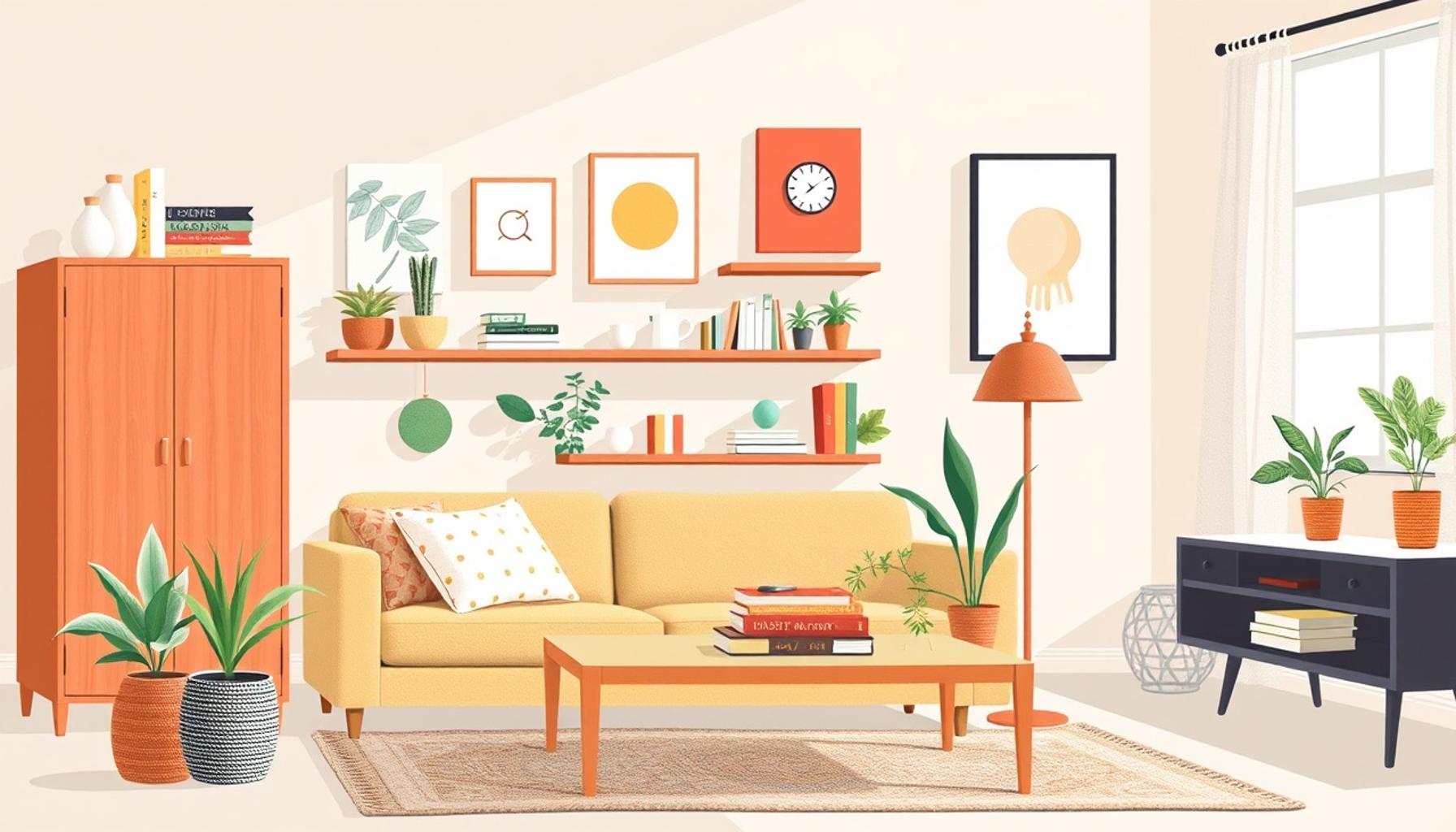
- Curate Your Environment: After decluttering, take time to curate your surroundings. Be intentional about what you display and how you use your space. For instance, incorporate elements that inspire you, such as artwork or plants, while ensuring that every item serves a purpose or brings joy. This shift from clutter to curation can create a serene environment that encourages relaxation and mindfulness.
- Align Activities with Values: Intentional living demands that your daily activities resonate with your core values. Take a step back to re-evaluate how you spend your time. Are there activities or commitments that drain your energy? Understanding what truly matters to you allows for the empowerment to say “no” to things that don’t contribute to your life’s vision, creating space for engagements that invigorate and uplift.
- Practice Gratitude: Cultivating a habit of gratitude transforms how you perceive your decluttered life. Instead of focusing on what you’ve released, appreciate the space and opportunities that arise from your choices. By regularly acknowledging what you are thankful for, you reinforce the connection between intentional living and emotional well-being, creating a feedback loop of positivity.
Moreover, the act of decluttering can spark additional self-exploration. Consider journaling your thoughts and feelings throughout the process. A study from the Journal of Environmental Psychology has shown that writing down experiences can enhance emotional clarity and promote psychological well-being. As you record your journey, reflect on the following:
- What emotions surfaced while decluttering? Understanding how certain objects make you feel can deepen your insights into your values and attachments.
- How do these possessions align with your current goals? Recognizing mismatches between your belongings and aspirations can help refocus your efforts on what truly matters.
As you progress, don’t overlook the power of community engagement. Share your decluttering journey with friends or join local groups focused on organizing and mindfulness. Connection with like-minded individuals can provide emotional support, focus, and shared learning experiences that make intentional living more attainable and enjoyable.
In the digital age, our online spaces also require decluttering. Limit your social media consumption, unfollow accounts that do not inspire you, and enhance your digital environment to reflect your authentic self. Just as we curate our physical spaces, curating our online presence fosters an intentional living space that aligns with our values and priorities.
By recognizing the profound interlinking of our physical and emotional spaces, we can genuinely create the conditions for a meaningful life. Engaging in these practices and actively shaping the environment around you paves the way for a more enriched and fulfilling existence.
Embracing Intentional Living
In conclusion, creating space for what matters is not merely about decluttering physical items; it’s a transformative journey that instills purpose and intention in our lives. By adopting the principles of intentional living, we can redefine our environments, making room for experiences and relationships that enrich our existence. Through a minimalistic mindset, we begin to prioritize quality over quantity, valuing each item and each moment with greater appreciation.
Moreover, curating our surroundings and aligning our daily activities with our core values encourages mindfulness. Engaging in practices such as gratitude not only enhances our emotional well-being but fosters a positive loop where appreciation begets more clarity and intention. Journaling throughout this journey can facilitate deeper self-reflection, revealing insights that steer us closer to our true aspirations.
As we navigate through our decluttering process, the importance of community support should not be overlooked. Sharing your journey with like-minded individuals can amplify motivation and offer fresh perspectives. Likewise, as we declutter our physical spaces, we must not forget the significance of a curated digital environment—an essential step in fostering an intentional lifestyle in today’s fast-paced world.
Ultimately, by embracing these strategies, we not only clear our physical spaces but also pave the way for a more enriched, authentic existence. So, take that first step, and watch as the intentional living mindset transforms not just your space, but your life. What will you choose to create space for today?

Beatriz Johnson is a seasoned minimalist and writer with a passion for simplifying the complexities of personal organization and intentional living. With over a decade of experience in decluttering strategies and mindful consumption, she specializes in topics like space optimization, habit simplification, and sustainable lifestyle choices. Through her work on our website, Beatriz empowers readers to embrace minimalism, reduce mental and physical clutter, and create more meaningful, organized lives in today’s fast-paced world.

Beatriz
Beatriz Johnson is a seasoned minimalist and writer with a passion for simplifying the complexities of personal organization and intentional living. With over a decade of experience in decluttering strategies and mindful consumption, she specializes in topics like space optimization, habit simplification, and sustainable lifestyle choices. Through her work on our website, Beatriz empowers readers to embrace minimalism, reduce mental and physical clutter, and create more meaningful, organized lives in today's fast-paced world.