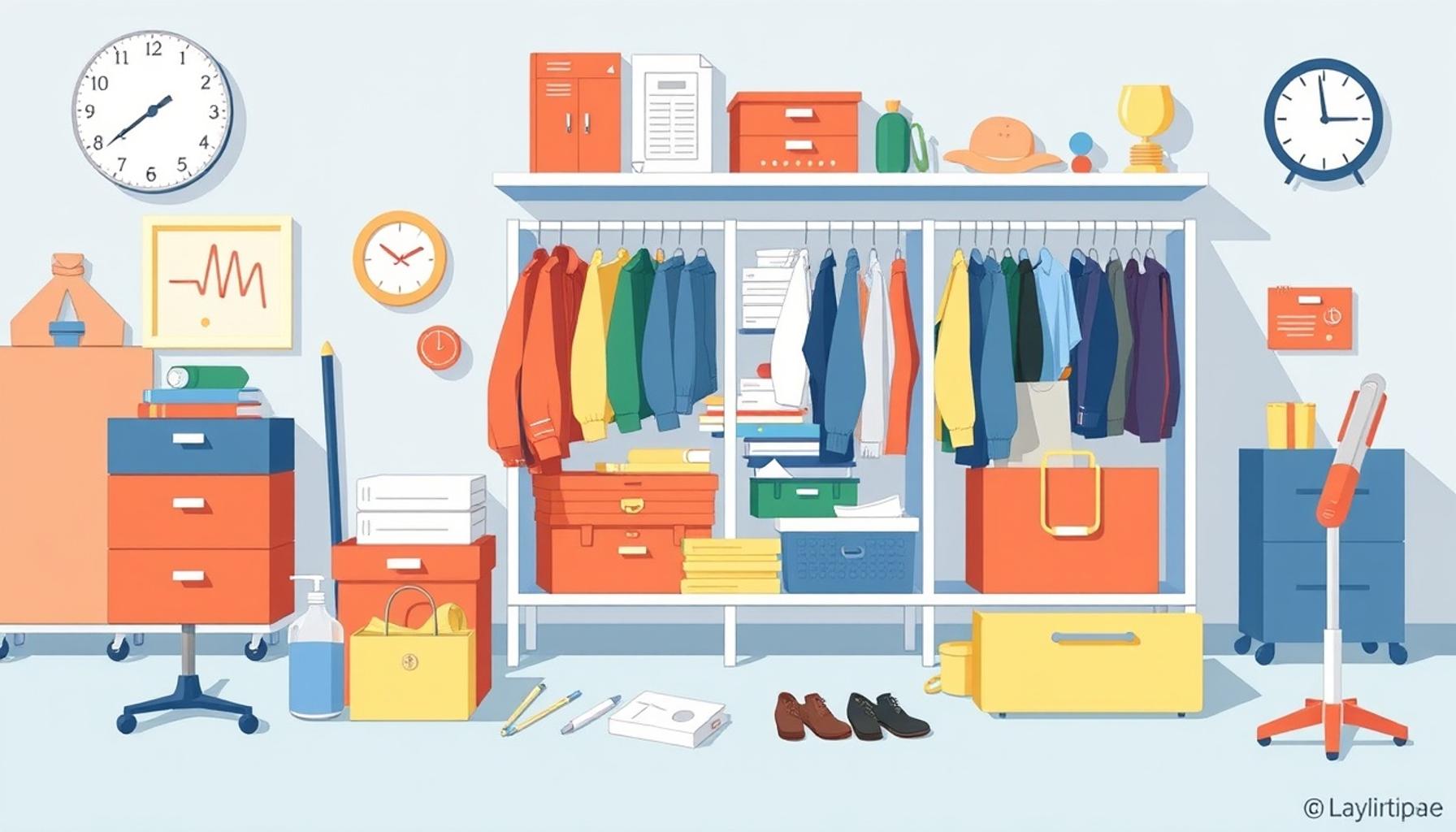
The Role of Digital Organization in Achieving Space Efficiency at Home
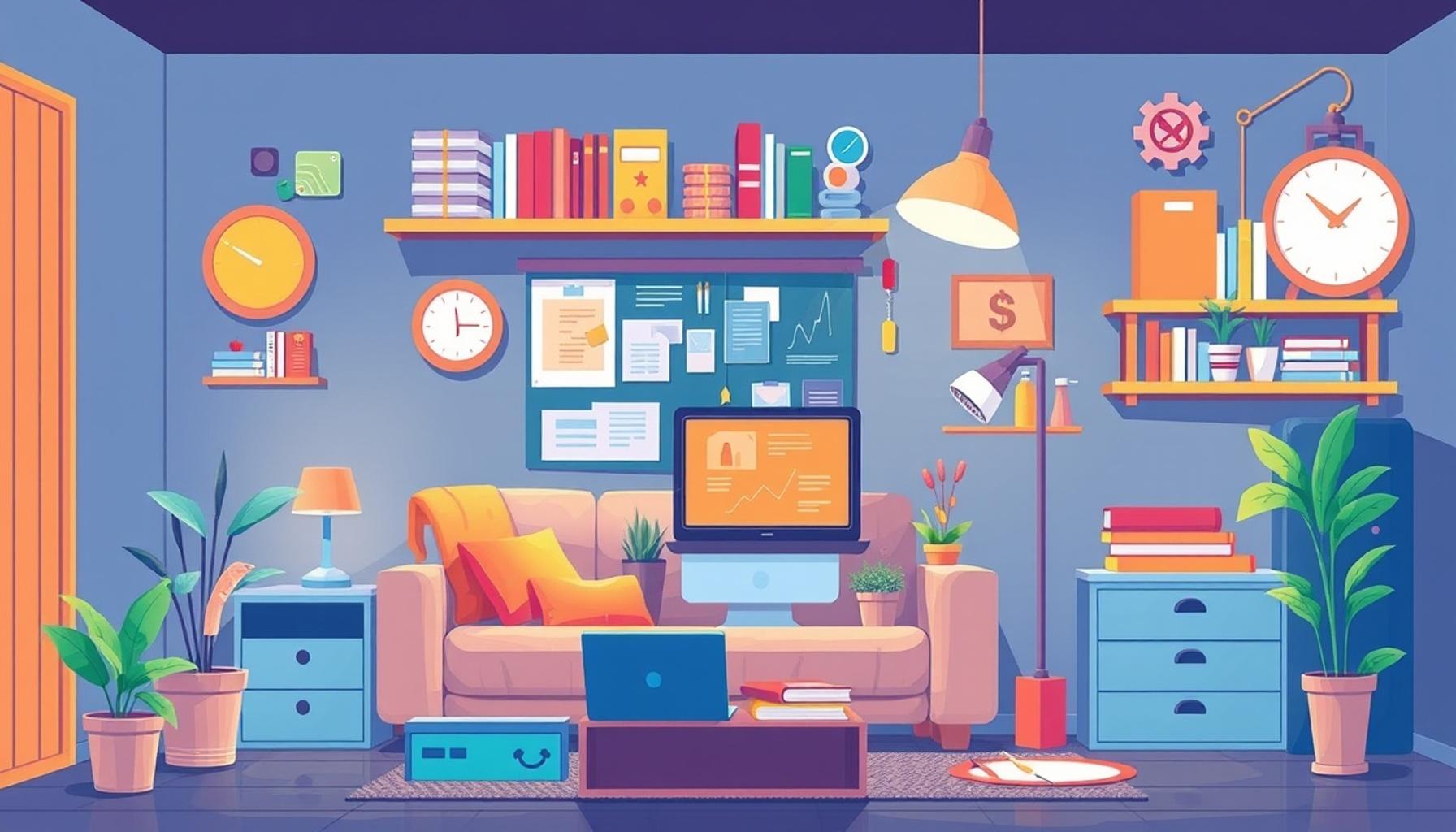
Understanding Digital Organization Tools
Today’s fast-paced environment necessitates an approach to home management that embraces technology. Digital organization tools are designed to simplify our lives by enhancing space efficiency. With urban living spaces shrinking and the demands of modern life increasing, these tools offer practical solutions to maximize our home environments.
One of the most significant benefits of digital organization is related to decluttering. Digital inventory apps like Sortly or Nest Egg allow users to catalog their possessions by taking photos and categorizing items. This process can illuminate which items are frequently used and which are mere clutter. For example, if a family discovers they have ten board games but only play two regularly, this awareness can guide them in deciding what to keep. By visually seeing their belongings through an app, homeowners can make informed decisions about what to discard or donate, contributing to a more streamlined living space.
Smart Storage Solutions
Furthermore, technology facilitates smart storage in ingenious ways. Applications like Home Inventory and Smart Storage work to maximize the utilization of available space by suggesting optimal configurations based on the specifics of a user’s home. These apps enable homeowners to track storage locations for various items—whether in closets, attics, or garages—thereby ensuring that every inch of space is utilized effectively. For instance, a homeowner might discover that vertical storage solutions, like wall-mounted shelves, could create extra space in a crowded garage, allowing for easier access and organization.
Enhancing Time Management
Digital organization extends beyond physical space to encompass time management. Task management apps such as Todoist or Trello help individuals manage their daily chores and responsibilities. These tools allow users to create checklists, set deadlines, and receive reminders, ensuring that essential tasks are not overlooked. Organizing everything from grocery shopping to cleaning schedules can drastically reduce mental clutter, leading to a more functional and enjoyable living experience.
Moreover, the rise of smart home devices, like Amazon Echo or Google Nest, has revolutionized how we monitor and manage our homes. These devices can automate lighting, heating, and even remind users of when to take out the trash, merging technology with daily routines. By utilizing these systems, individuals can reduce waste and keep their spaces tidy, further enhancing overall organization.
Conclusion
The integration of digital organization tools into our homes not only promotes better space management but also contributes to a healthier lifestyle. As more people seek to optimize their living conditions amidst the growing trend of compact urban dwellings, the importance of these tools cannot be overstated. By embracing digital solutions, you can create a home that is both beautiful and practical, making life easier and more enjoyable.
As we continue to explore the multitude of ways in which technology can facilitate better organization, remember that the ultimate goal is to enhance your quality of life. Engaging with these resources may unlock a new level of efficiency and serenity in your own space.
Leveraging Digital Organization for Enhanced Space Efficiency
In an age where the majority of American households are steadily gravitating towards smaller living spaces, the need for space efficiency has never been greater. To tackle the ongoing challenge of maintaining organized living environments, many are turning to innovative digital organization tools. These platforms not only streamline the process of storing and managing possessions but also promote a lifestyle free from physical and mental clutter.
Digital Decluttering Strategies
At the core of effective digital organization lies the concept of decluttering. Digital decluttering goes beyond merely tossing out unnecessary items. It employs key strategies that rely on technology to keep spaces neat. For instance, utilizing cloud-based applications such as Google Drive or Evernote can help homeowners digitize important documents and memorabilia, reducing the need for extensive physical storage.
Additionally, inventory management apps can aid in tracking household items, making it easier to identify duplicates or rarely used items. Here are several benefits of employing these digital tools for decluttering:
- Visual cataloging: Users can take photos of items, allowing for a quick visual reference that enhances decision-making.
- Inventory sharing: Families can share their inventory lists, making it easier to coordinate shared resources and avoid unnecessary purchases.
- Donation tracking: Many apps now include features to document donations, which can further encourage users to part with excess belongings for charity.
Maximizing Vertical and Hidden Spaces
Another essential aspect of digital organization is the maximization of all available space within the home. Digital tools can play a significant role in devising smart storage solutions tailored to individual needs. For example, applications that analyze room dimensions can suggest unconventional storage techniques such as:
- Vertical shelving: Utilizing wall space for shelves can free up floor space, giving the illusion of a larger area.
- Under-bed storage: Digital planners can recommend products for items that can be stashed below beds, such as boxes or containers.
- Multi-functional furniture: Recommendations for convertible sofas or ottomans that double as storage units can help make the most of limited space.
These solutions provide a structured approach to keeping belongings organized, making it easier to locate items and maintain a clean environment. By fostering a culture of organization that is supported by technology, homeowners can effectively combat the clutter that often inundates their living spaces.
Tracking Usage Patterns
One powerful feature of many digital organization tools is their ability to track usage patterns of household items. By understanding which items are used most frequently, homeowners can make more informed decisions regarding their space. For instance, if a kitchen app reveals that certain gadgets have not been touched in months, the homeowner can reevaluate their need for those items, ultimately paving the way for a more streamlined cooking area.
Embracing digital organization allows for a proactive approach to space efficiency, leading to enhanced living conditions and contributing to overall well-being. Through these tools, homeowners can create an environment that reflects their lifestyle and maximizes their comfort, proving that technology and organization can coalesce to reshape our home experiences.
The Transformative Power of Digital Organization Tools
Digital organization tools have revolutionized the way we manage our living spaces, offering innovative solutions that enhance space efficiency at home. By integrating technology into our daily routines, we can streamline activities, declutter, and ultimately create a more harmonious living environment. One significant benefit of these tools is the ability to centralize information. Through apps and software tailored for home management, individuals can curate everything from schedules to inventories, ensuring that nothing gets lost amidst the chaos. This centralized access not only saves time—crucial in our fast-paced lives—but also minimizes the need for physical storage of paperwork and miscellaneous items, thereby reducing clutter.Moreover, digital organization fosters a sense of accountability and motivation. Many of these applications feature tracking capabilities, allowing users to set goals for decluttering or organizing specific areas in their homes. As users witness their progress through visual data, they become more encouraged to maintain their newfound space efficiency. Beyond personal motivation, these tools can also facilitate family collaboration. Shared calendars and to-do lists allow all household members to contribute to a shared vision of an orderly living space.Furthermore, several digital organization platforms offer functionalities tailored to specific needs, such as meal planning, inventory management, and even smart home automation. This specialized approach allows homeowners to leverage technology to address unique challenges in their space, enhancing efficiency and promoting smarter living.To explore how these digital organization tools can transform your own living space, consider investigating popular platforms that suit your lifestyle. Integrating a few of these technologies can significantly maximize your home’s potential, paving the way to a more organized and efficient environment.
| Category 1 | Category 2 |
|---|---|
| Digital Inventory Management | Track and manage household items easily, reducing unnecessary purchases. |
| Collaborative Task Management | Promotes teamwork among household members to maintain cleanliness and order. |
Embracing digital organization is not just about using new technology; it’s about changing mindsets toward living spaces. Each step taken towards improved organization can have a lasting impact on overall well-being, encouraging a more peaceful and efficient home life. As you delve deeper into the myriad tools available, consider the long-term benefits of a digital approach to home efficiency.
Enhancing Practicality through Smart Digital Solutions
As the push for space efficiency continues to gain momentum, many homeowners are discovering that the marriage of technology with organization can effectively tackle the age-old issue of clutter. The rise of smart home technology introduces novel ways to optimize both space and function, promoting a streamlined lifestyle where every corner of the home serves a purpose. From managing household chores to customizing environments, these digital options present tangible benefits.
Smart Home Systems and Organization
Smart home systems, such as Amazon Alexa or Google Home, transcend conventional organizing methods by offering automation that helps save precious space. By controlling appliances, lighting, and various devices remotely, homeowners can create an organized hub that efficiently manages energy, thereby reducing trash and unnecessary consumption.
Smart refrigerators, for instance, can track expiration dates of items and suggest recipes based on what’s available inside, discouraging over-purchasing and the accumulation of spoiled food. Such systems can also help reduce the clutter of grocery lists by allowing users to access and update them through voice commands or apps. When combined with delivery services, consumers can thoughtfully manage pantry space while ensuring freshness and reducing food waste.
Mobile Apps for Home Management
Mobile applications geared towards home management are also essential for achieving space efficiency. Apps like “Home Inventory” allow users to document room layouts and piece together a virtual representation of their homes. This feature enables homeowners to view and rearrange elements virtually before making physical changes. This virtual reality concept ultimately leads to more intelligent storage decisions.
Additionally, several organization apps focus on daily routines and inventorying items, reminding users to perform tasks such as decluttering or maintaining organized surroundings. Popular applications, like Todoist and Trello, can drive family engagement by assigning and categorizing home tasks, ultimately fostering a collective responsibility for maintaining organization and efficient space usage.
The Role of Virtual Assistants
Virtual assistants, powered by AI, can further optimize the organization process. By integrating with other smart devices, they can manage reminders for decluttering sessions, suggest optimal storage solutions based on user preferences, and track which items remain unutilized over time. This data generates valuable insights that can push consumers toward making beneficial decisions around household item retention.
Moreover, virtual assistants can streamline shopping habits by automating reminder lists and syncing with e-commerce platforms to ensure that only necessary items are purchased, keeping storage manageable. The prospect of curated shopping experiences can significantly contribute to creating organized, multifunctional spaces without additional pressure on physical constraints.
Embracing the Minimalist Approach
Finally, the minimalist lifestyle, often championed through digital organization practices, resonates with a growing segment of the U.S. population. The ethos of owning fewer possessions aligns seamlessly with the digital decluttering trend. Social media platforms frequently showcase how virtual platforms help New Yorkers adapt to compact living in 300-square-foot apartments, where every inch holds significance. Engaging in online communities advocating for minimalism can inspire individuals to embrace the notion that less truly is more.
When combined, these digital organization techniques not only promote space efficiency but also empower individuals to personalize their homes in meaningful ways. Technology continues to evolve, offering fresh approaches to habitation that align with modern lifestyles and ambitions.
Conclusion: Rethinking Home Spaces with Digital Organization
In an era where space efficiency is becoming paramount, the implementation of digital organization strategies is proving to be a game-changer for homeowners. The integration of smart home technologies, mobile apps for management, and virtual assistants all contribute significantly to creating a harmonious living environment that maximizes every square foot. By redefining how we approach organization, these tools not only improve functionality but also foster a sense of tranquility within our homes.
The benefits of utilizing digital resources extend beyond mere convenience; they encourage sustainable habits, such as reducing waste and promoting mindful consumption. For instance, smart refrigerators help homeowners make informed decisions about their grocery purchases while minimizing food spoilage. Meanwhile, mobile apps empower individuals to visualize and rearrange their spaces digitally, leading to informed and effective storage solutions.
Moreover, the minimalist philosophy, bolstered by digital organization practices, encourages people to carefully curate their possessions, aligning well with the growing trend of living in smaller, more efficient spaces. By embracing this mindset, individuals are not just organizing their homes — they are crafting environments that resonate with their personal values and modern aspirations.
Ultimately, as homeowners navigate the complexities of modern living, technology will continue to play a pivotal role in achieving space efficiency. Those looking to optimize their homes would do well to explore the myriad of digital solutions available, discovering new pathways to an organized, functional, and inspiring living space. The future of home organization is digital, and its potential is limitless.

Beatriz Johnson is a seasoned minimalist and writer with a passion for simplifying the complexities of personal organization and intentional living. With over a decade of experience in decluttering strategies and mindful consumption, she specializes in topics like space optimization, habit simplification, and sustainable lifestyle choices. Through her work on our website, Beatriz empowers readers to embrace minimalism, reduce mental and physical clutter, and create more meaningful, organized lives in today’s fast-paced world.

Beatriz
Beatriz Johnson is a seasoned minimalist and writer with a passion for simplifying the complexities of personal organization and intentional living. With over a decade of experience in decluttering strategies and mindful consumption, she specializes in topics like space optimization, habit simplification, and sustainable lifestyle choices. Through her work on our website, Beatriz empowers readers to embrace minimalism, reduce mental and physical clutter, and create more meaningful, organized lives in today's fast-paced world.