Shared Spaces: Tips for Creating Functional and Minimalist Environments in Co-living
The Rise of Co-Living: A Solution for Urban Dwellers
As cities grow and housing prices continue to soar, urban residents are increasingly exploring alternative living arrangements. Co-living offers a refreshing approach, blending affordability with the opportunity for community engagement. This model not only addresses financial constraints but also meets the growing desire for social connectivity in an age where loneliness is becoming more prevalent. Yet, the challenge remains: how can these shared environments be designed to ensure they are both functional and visually striking?
Creating Harmony Through Design
The art of designing shared living spaces goes beyond simple aesthetics; it delves deeply into how the environment can foster relationships and encourage collaboration among residents. Here are several key considerations to keep in mind when crafting these unique spaces:
- Functionality: Every piece of furniture should serve a clear purpose. For example, instead of traditional bulky furniture, opt for multi-functional items like a coffee table that can double as a dining table or a shelving unit that serves as a room divider. This approach minimizes clutter and maximizes utility, which is essential in small living quarters.
- Flexibility: Embrace versatility in furniture selection. Modular sofas can be rearranged to suit various social gatherings, and extendable dining tables can accommodate both intimate meals and larger communal dinners. This adaptability encourages residents to mix and mingle, making the living space more inviting.
- Smart Storage: Incorporating hidden storage solutions is vital for maintaining an organized atmosphere. Consider using ottomans with storage compartments or built-in beds with drawers underneath. These innovations help keep personal belongings out of sight while still being easily accessible, preserving the open feel of the space.
Enhancing Well-Being Through Minimalist Design
A minimalist environment does more than just look good; it can significantly enhance the mental well-being of its residents. Here are additional strategies to elevate the co-living experience:
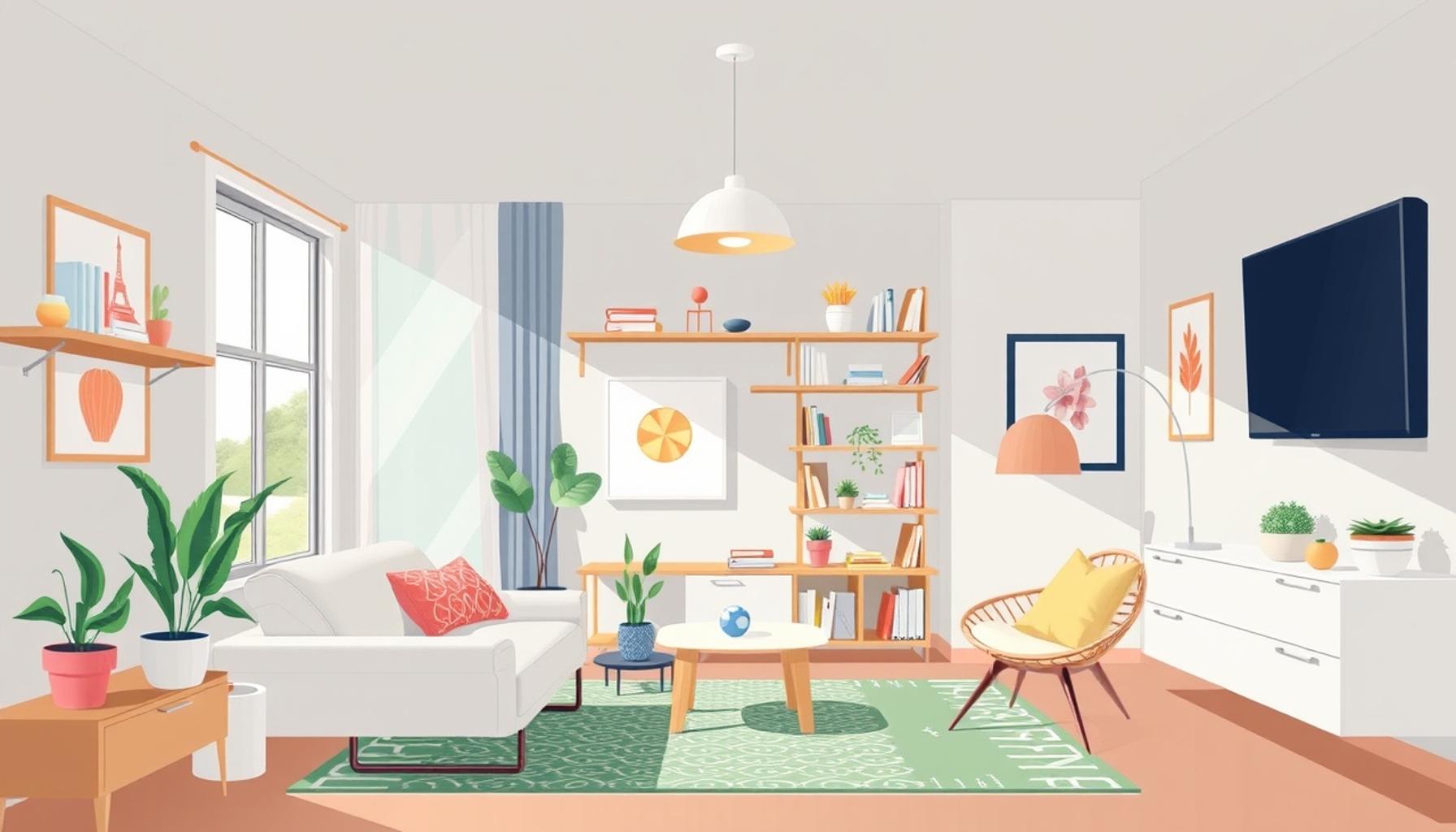
- Embrace Natural Light: Access to natural light can drastically improve mood and productivity. Opt for large windows and utilize mirrors strategically to reflect light throughout the space, creating an airy and uplifting atmosphere.
- Choose a Color Palette: A cohesive color scheme can unify various elements in a shared environment. Sticking to neutral tones, particularly shades of white, gray, or beige, promotes tranquility and focuses attention on the nature of human interaction rather than overwhelming visual noise.
- Incorporate Greenery: Adding plants to common areas not only enhances aesthetics but also purifies the air and promotes health. Indoor plants like snake plants or pothos are low-maintenance options that can introduce life and color to shared spaces.
Transforming Lives Through Thoughtful Design
By considering these essential elements, co-living spaces can be transformed into functional, stylish, and serene environments. Whether you’re a young professional seeking camaraderie or a creative looking for inspiration, a thoughtfully designed shared space has the potential to cultivate relationships that can make urban living not just tolerable, but truly enjoyable.
In a world that increasingly values both experiences and connections, the co-living model offers a glimpse into a different future of urban living—one where shared environments can enhance lives while reflecting the unique personalities and needs of its residents. With careful attention to design principles, these spaces stand as a testament to how shelter can go beyond four walls to foster community and creativity.
Design Principles for Effective Co-Living Spaces
When it comes to the design of shared spaces in co-living arrangements, the goal is to achieve a balance between personal comfort and collective functionality. Several design principles can help achieve this harmony, ensuring that residents feel both at home and part of a community. Below are critical tips for creating environments that align with the minimalist ethos while catering to diverse lifestyles.
Maximizing Utility and Comfort
In co-living spaces, the challenge lies in designing environments that cater to varied needs without compromising functionality. Here are some strategies to consider:
- Prioritize Open Floor Plans: Open layouts promote interaction among residents, as they allow unobstructed movement and conversation. This can be further enhanced by using furniture to create subtle zones for different activities such as lounging, dining, or working.
- Invest in Quality over Quantity: In a shared space, selecting fewer high-quality pieces of furniture can be more beneficial than cramming in cheaper, less durable items. Invest in ergonomically designed chairs and sturdy dining tables that can withstand frequent use while providing comfort.
- Limit Personalization: While personal touches are essential, excessive personalization can lead to clutter and discord in shared environments. Encourage residents to share communal decoration initiatives, such as artwork or plants, which can promote a sense of ownership without overpowering the space.
Creating a Cohesive Aesthetic
A minimalist approach doesn’t mean sacrificing style. Instead, it’s about creating an aesthetic that resonates with all residents. Here are some suggestions to achieve this:
- Utilize a Signature Style: Choose a particular design style—whether it’s Scandinavian, industrial, or mid-century modern—that reflects simplicity and functionality. Consistency in design elements can lead to a calmer, more unified atmosphere.
- Focus on Quality Lighting: The right lighting can dramatically alter a space’s mood. Consider incorporating various light sources, such as floor lamps and pendant lights, to create inviting areas that adapt for daytime productivity and evening relaxation.
- Incorporate Textures: Integrating different textures—through fabrics, rugs, and decorative objects—can add depth to minimalist environments. This approach keeps the space visually interesting while adhering to the minimalist ideal of simplicity.
The intersection of functionality and aesthetics is key in co-living spaces. By employing smart design principles, shared environments can ultimately enhance residents’ experiences, allowing them to thrive in their communal living situations. With these foundational tips in mind, co-living can evolve into an opportunity not just for affordable living, but for enriching interactions that foster a supportive and vibrant community.
Embracing Minimalism in Co-living Spaces
In the modern co-living landscape, the concept of minimalism has gained significant traction, providing residents with a harmonious and stress-free environment. Minimalism encourages the removal of excess items, fostering an atmosphere that emphasizes functionality and simplicity. This philosophy leads to organized, clutter-free spaces, which are essential for maintaining a peaceful co-living experience.One of the key tips for creating a functional co-living environment is to focus on versatile furniture. Utilizing multi-purpose furniture, such as sofas that convert into beds or ottomans with storage capabilities, can drastically improve the utility of a space. This not only maximizes available square footage but also aids in maintaining a tidy and spacious environment.Another aspect to consider is the importance of shared communal areas. These spaces should be designed to promote interaction and collaboration among residents. Incorporating a communal kitchen or a lounge area with comfortable seating can transform a shared space into a vibrant social hub. By designing areas that encourage connection, co-living residents are more likely to collaborate and build a community, which enhances their living experience.Additionally, incorporating natural elements is a crucial tip for enhancing both aesthetics and well-being within co-living spaces. Plants not only purify the air but also instill a sense of tranquility. Strategic placement of greenery can create a serene atmosphere that benefits mental health, further embracing the minimalist ideology of simplicity and peace.Lastly, technology plays a pivotal role in creating minimalist environments. Smart systems for lighting, heating, and security can streamline everyday chores, reducing the mental load on residents. By automating these functionalities, co-living spaces can maintain a sleek and uncluttered appearance, aligning perfectly with the minimalist approach.As the world of co-living continues to evolve, adopting these practices can lead to more fulfilling and enjoyable shared living experiences. Whether it’s through thoughtful design, superior functionality, or fostering community spirit, creating a minimalist co-living environment supports both personal growth and harmonious coexistence.
Establishing Functional Zones within Shared Spaces
To ensure that co-living areas serve various purposes while maintaining a minimalist aesthetic, it is essential to effectively establish functional zones. This approach allows residents to engage in different activities without feeling cramped or disordered. Here are some techniques to delineate and optimize these spaces:
Flexible and Multi-Functional Furniture
In a co-living environment, versatility is key. Selecting multi-functional furniture can significantly enhance the usability of shared spaces:
- Transformable Tables: Opt for extendable dining tables that can accommodate small gatherings or larger communal events. This fluidity helps adapt the space to changing needs, fostering a sense of togetherness.
- Sofa Beds or Murphy Beds: Encourage the use of sleeper sofas or wall beds in shared living areas. This choice allows for overnight guests while freeing up valuable floor space during the day.
- Nesting Tables: Employ nesting tables that can be stacked or pulled apart for various activities, from games to casual dining. Their flexibility means residents can quickly adjust the layout for any occasion.
Implementing Smart Storage Solutions
Storage is often a challenge in co-living arrangements. Implementing smart storage solutions can keep environments free of clutter and organized:
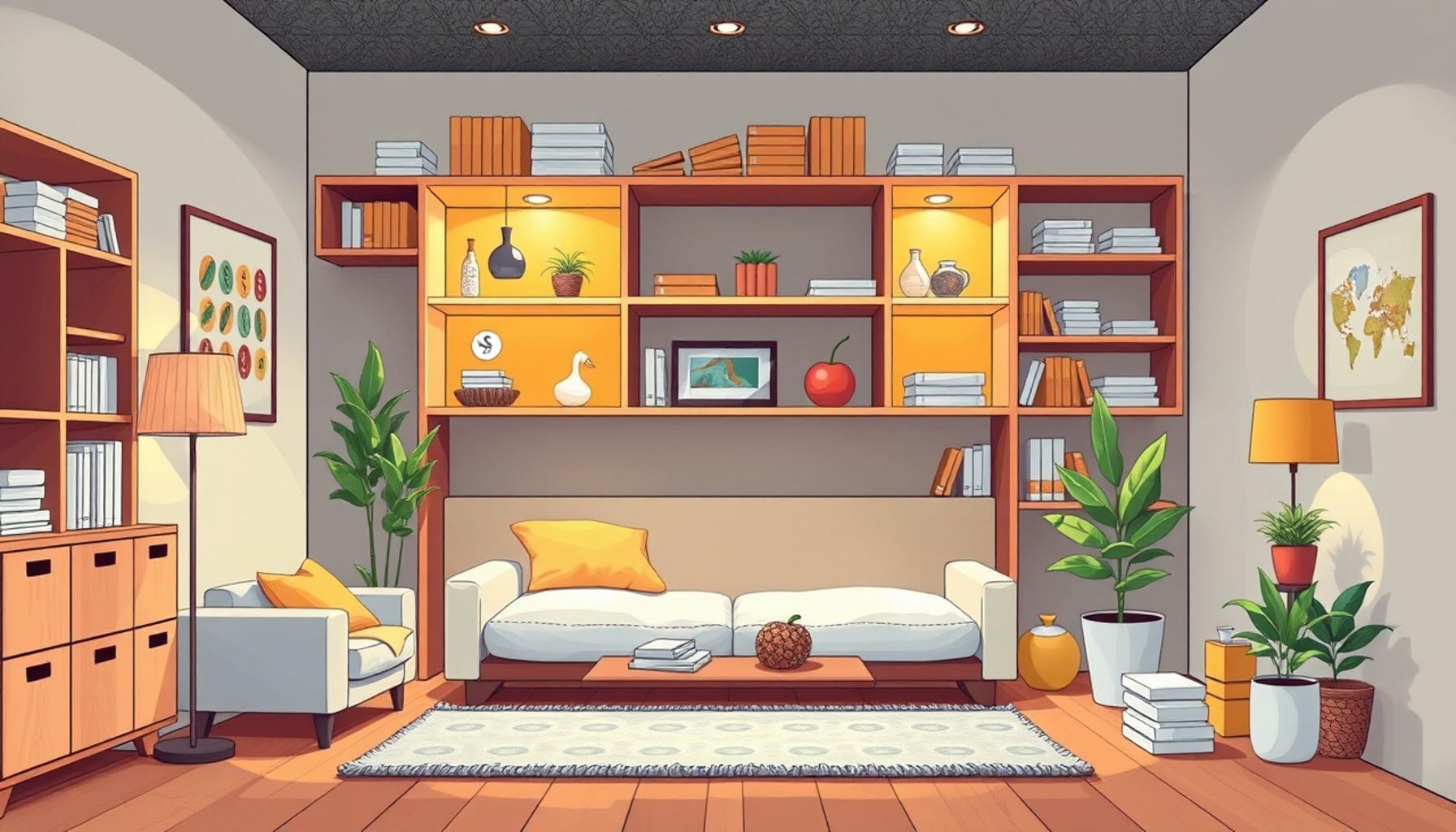
- Built-In Storage: Utilize built-in shelves and cabinets to maintain a clean aesthetic while providing ample space for residents to store their belongings. This keeps personal items out of the way while contributing to a minimalist design.
- Under-Bed Storage: Encourage residents to use under-bed storage containers for items less frequently accessed. This strategy maximizes bedroom space without sacrificing cleanliness.
- Wall-Mounted Options: Explore wall-mounted shelves for displaying books, plants, or personal décor. By utilizing vertical space, you enhance the sense of openness while providing functional storage.
Sustainability in Shared Spaces
In today’s environmentally conscious society, incorporating sustainability into co-living designs not only enhances functionality but can also strengthen community bonds.
- Eco-Friendly Materials: Select furniture and décor made from sustainable materials. Bamboo, reclaimed wood, and recycled metal can add character while promoting environmental responsibility.
- Shared Resources: Consider implementing community resources, such as a library of tools or a shared garden, that all residents can enjoy while minimizing the need for personal ownership.
- Energy-Efficient Appliances: Equip kitchens and communal areas with energy-efficient appliances to reduce overall energy consumption. This not only minimizes costs for residents but also promotes eco-friendly living practices.
By implementing these principles of flexible zoning and sustainability, shared spaces can become functional, appealing, and efficient. It acknowledges not only the minimalist design ethos but also the growing trend toward responsible living, aligning perfectly with the needs of today’s co-living communities. Residents not only thrive in personal comfort but also contribute to a collective responsibility towards their environment and each other.
Conclusion
Creating functional and minimalist environments in co-living spaces is not just about aesthetics; it’s about crafting a lifestyle that promotes collaboration, comfort, and sustainability. By strategically implementing multi-functional furniture, residents can enjoy adaptability that meets various social and personal needs while maintaining a sense of openness. Furthermore, innovative storage solutions are vital in minimizing clutter, allowing for a cleaner space that enhances productivity and well-being.
Sustainability also plays a crucial role in designing shared spaces. Utilizing eco-friendly materials and fostering shared resources can deepen community bonds and instill a sense of collective responsibility. By incorporating energy-efficient appliances and promoting shared tools or gardens, co-living spaces can embody the principles of mindful and eco-conscious living. This not only caters to the growing demand for sustainable practices but also aligns with the values of today’s socially aware residents.
Ultimately, successful co-living environments are those that embrace creativity in design, ensuring that every element serves a purpose while contributing to a harmonious atmosphere. As more people seek the communal lifestyle, understanding these principles will be essential. Exploring further into the minimalist movement and its applications in shared spaces can unlock new ways to thrive in increasingly popular co-living communities across the United States. This forward-thinking approach not only fosters a functional living experience but also positions residents as active participants in a larger ecosystem of shared living.

Beatriz Johnson is a seasoned minimalist and writer with a passion for simplifying the complexities of personal organization and intentional living. With over a decade of experience in decluttering strategies and mindful consumption, she specializes in topics like space optimization, habit simplification, and sustainable lifestyle choices. Through her work on our website, Beatriz empowers readers to embrace minimalism, reduce mental and physical clutter, and create more meaningful, organized lives in today’s fast-paced world.

Beatriz
Beatriz Johnson is a seasoned minimalist and writer with a passion for simplifying the complexities of personal organization and intentional living. With over a decade of experience in decluttering strategies and mindful consumption, she specializes in topics like space optimization, habit simplification, and sustainable lifestyle choices. Through her work on our website, Beatriz empowers readers to embrace minimalism, reduce mental and physical clutter, and create more meaningful, organized lives in today's fast-paced world.