Creating Multi-Functional Spaces: The Art of Transformable Design in Minimalist Homes
The Shift Towards Transformable Design
In recent years, urban living conditions have become increasingly congested, as cities expand and demographics shift. This reality has sparked a rising demand for multi-functional spaces. Minimalist homes, where the available area is limited, often prioritize the need for efficiency and utility. Transformable design has emerged as an effective answer to these challenges, allowing homeowners to optimize their living spaces without sacrificing style or functionality.
Key Features of Transformable Design
Central to transformable design are certain innovative features that not only save space but also promote a clean and organized living environment. Here are some elements that embody this design philosophy:
- Flexible Furniture: Furniture that serves multiple purposes is a cornerstone of this approach. For instance, a classic sofa bed can function as a seating area during the day and easily convert into a sleeping space at night. Similarly, expandable dining tables can accommodate a small breakfast setup or be stretched to host larger gatherings, which is ideal for apartments that may entertain guests occasionally.
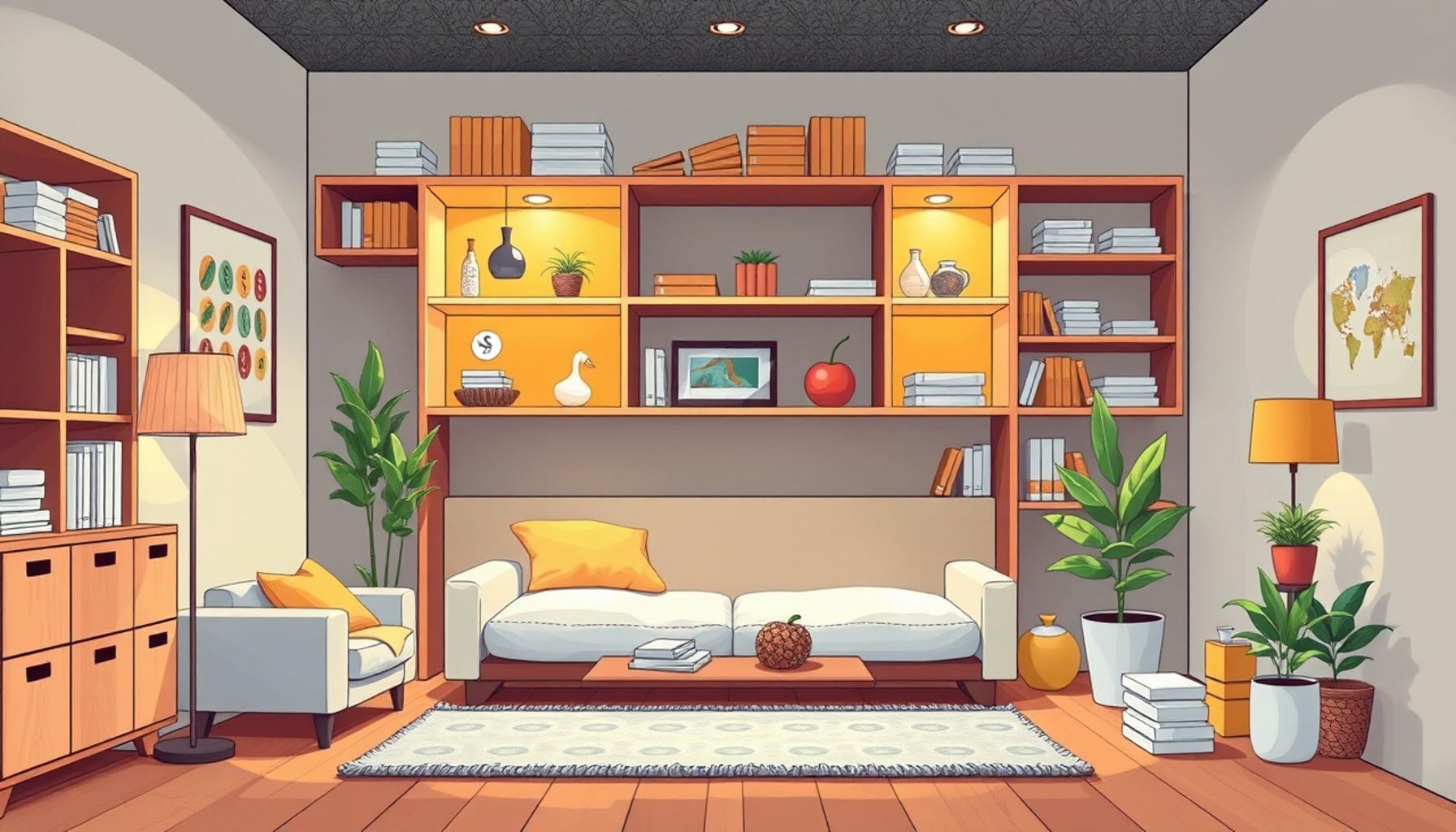
- Smart Storage: In the quest for a decluttered home, integrated cabinetry plays a crucial role. Pieces like built-in bookshelves and under-bed storage work to hide away belongings while still keeping them within easy reach. This aspect of design allows for the personalization of spaces, as homeowners can choose cabinetry that reflects their style without compromising on functionality.
- Sliding Partitions: These innovative partitions enable homeowners to dynamically alter their living space. An open floor plan can transform into distinct areas—such as a private home office or a cozy guest room—simply by sliding a door or panel. This versatility provides both privacy and openness, catering to various needs throughout the day.
Creating Harmony in Minimalism
The beauty of transformable design lies not only in its practical benefits but also in its capacity to foster a serene atmosphere. By embracing simplicity and minimizing unnecessary elements, homeowners cultivate an environment conducive to relaxation and clear thinking. For example, decluttering one’s physical space can lead to a psychological ease, reflecting the principles of minimalism, which emphasize living with intention and purpose.
Exploring Multi-Functional Spaces
As you delve into the realm of creating multi-functional spaces, consider how each design principle can influence your home. Whether you reside in a bustling New York City apartment or a compact suburban townhouse, integrating these principles can lead to a more balanced lifestyle. Every design choice is a step towards a greater commitment to sustainability and adaptability, hallmarks of modern living.
In summary, the art of transformable design effectively addresses the constraints of urban living while enhancing personal comfort. As you reflect on your own space, envision how these transformative elements can help redefine your living experience. Embracing this design philosophy not only creates a visually pleasing environment but also enriches daily life through adaptability and practicality.
The Power of Adaptable Living
In the quest for a more functional and stylish living environment, adaptable solutions have become pivotal in modern design. Multi-functional spaces, which prioritize versatility, are increasingly crucial for those navigating the responsibilities of daily life in a compact home. The ability to transform areas for different uses—from a workspace during the day to a cozy entertainment area at night—can greatly enhance the quality of life for homeowners, particularly in densely populated urban environments.
Maximizing Space: The Art of Dual Purpose
Transformable design does not merely mean using spaces effectively; it also involves making thoughtful choices that align with a minimalist aesthetic. This approach allows for both functionality and elegance. Below are some key concepts that illustrate how to maximize space through intelligent design:
- Modular Furniture: Contemporary modular designs offer numerous configurations that adapt to various situations. For instance, modular couches can be rearranged to suit gatherings, while sectional pieces can easily accommodate a larger group without taking up unnecessary space when separate.
- Convertible Workspaces: With the rise of remote work, compact home offices must seamlessly integrate into living areas. A fold-out desk that tucks neatly away when not in use or a wall-mounted shelving unit that doubles as a workspace are perfect examples of practical design that does not compromise style.
- Transformative Decor: Integrating aesthetics with functionality can elevate a minimalist home. Multipurpose decor items—like a decorative wall that serves as a projection screen or art that doubles as storage—allow homeowners to maintain a clean appearance while providing essential functionalities.
Designing for Everyday Life
Transformable design is about harnessing the art of convenience in daily routines. Consider the challenge of hosting guests in an apartment that serves as both a living area and a bedroom. Space can be optimized using strategically-placed shelving that serves as both a display unit and a place to tuck away essentials. Such designs not only clear clutter but also lend an air of sophistication to the space.
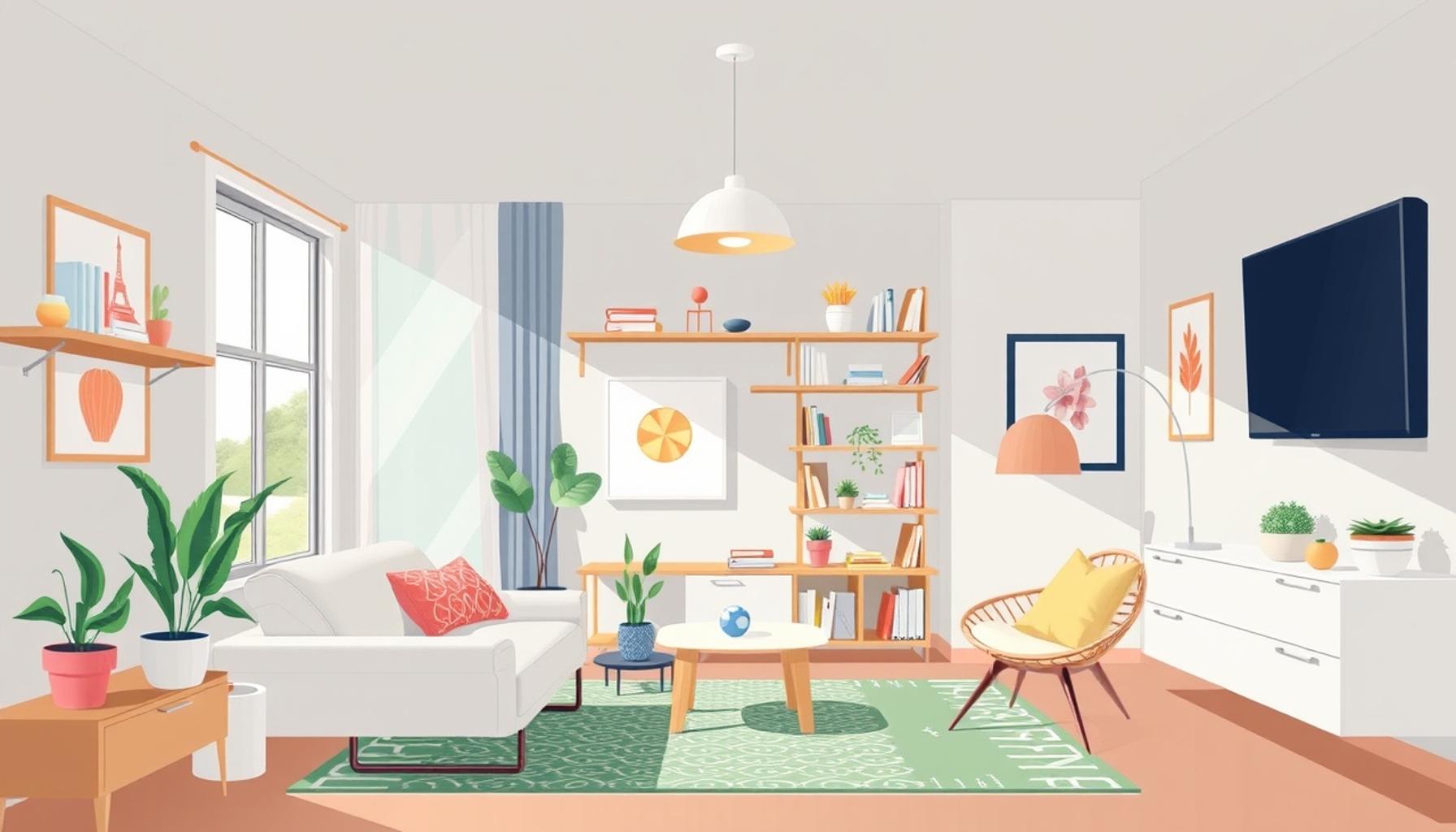
Moreover, the principles behind creating multi-functional areas often emphasize natural light and open layouts. In a minimalist home, this approach reduces visual noise, allowing each element to contribute to a harmonious living environment. With minimal barriers, spaces can feel expansive and welcoming while delivering the functionality desired in a modern lifestyle.
Embracing Creative Solutions
As home design continues to evolve, creativity remains at its core. The effective implementation of multi-functional spaces creates an engaging living experience tailored to the homeowner’s lifestyle. Examining the various elements of transformable design, homeowners can begin to rethink traditional layouts, paving the way for innovative solutions that cater to their unique needs.
The dialogue between form and function is where true adaptability shines. With thoughtful planning, even a cramped city apartment can become a versatile sanctuary that embodies both comfort and practicality.
Exploring Transformable Design Elements
When it comes to creating multi-functional spaces in minimalist homes, the design elements play a pivotal role. Utilizing transformable furniture such as murphy beds, expandable tables, and modular seating can significantly maximize space while maintaining the aesthetic appeal of a minimalist environment. These pieces not only serve multiple purposes but also blend seamlessly into the decor, ensuring that the space does not feel cluttered or overwhelming. In addition, the incorporation of smart storage solutions is essential for achieving a truly functional living area. Built-in shelving, under-bed storage, and hidden compartments can help to eliminate visual clutter while keeping necessary items easily accessible. This strategic organization allows residents to enjoy a clean, open atmosphere which is a hallmark of minimalist design.Moreover, the choice of colors and materials plays a significant role in transforming spaces. Light colors and reflective surfaces can enhance natural light, creating a sense of openness. Meanwhile, sustainable materials such as bamboo or recycled wood not only contribute to environmental conservation but also add a unique character to the home.Adaptability is another crucial aspect of transformable design. Consider creating zones within a single space that can be easily reconfigured depending on the time of day or the needs of the occupants. For example, a cozy living area can transition into a workspace through the use of movable dividers or versatile furniture arrangements.As homeowners seek to balance functionality with style, the concept of transformable design in minimalist homes continues to gain traction, offering a sophisticated solution for modern living. Embracing these elements can inspire creativity and innovation, encouraging individuals to reimagine their living spaces in new and exciting ways.
| Design Element | Advantages |
|---|---|
| Transformable Furniture | Maximizes space utilization while remaining stylish and functional. |
| Smart Storage Solutions | Reduces visual clutter, keeping the aesthetics clean and open. |
| Adaptable Zones | Allows spaces to transform based on daily needs, enhancing functionality. |
| Sustainable Materials | Adds character while promoting environmental consciousness. |
Incorporating these design elements can significantly enhance the living experience in minimalist homes, creating spaces that are not only beautiful but also incredibly practical. With the right approach, multi-functional spaces have the potential to cater to diverse lifestyle needs without compromising on style.
Innovative Solutions for Compact Living
The exploration of multi-functional spaces brings forth innovative products that are at the forefront of transformable design. In minimalist homes where every square foot counts, these solutions not only maximize spatial efficiency but also enhance the overall aesthetic. Many companies today specialize in space-saving furniture designed specifically for smaller living environments, demonstrating that comfort and practicality can coexist without cluttering the visual landscape.
Smart Storage Solutions
A core principle of transformable design is smart storage. Homeowners are increasingly drawn to integrated storage options, which keep essentials neatly tucked away. For instance, beds with built-in drawers or benches with storage compartments serve dual purposes—providing both a cozy place to sit or sleep and a space to stow away items. This functionality is essential in urban apartments where space is at a premium.
Additionally, consider the popularity of vertical living strategies. Homes equipped with high ceilings benefit from floor-to-ceiling cabinetry or shelves that utilize the full height of a room. In these cases, a well-organized ladder or rolling storage can make accessing items easy, without compromising floor space. Such designs reflect a commitment to maximizing available resources while maintaining an uncluttered appearance.
Flexible Room Configurations
Another hallmark of multi-functional design is the flexibility of room configurations. By utilizing movable partitions or clever room dividers, homeowners can customize their living spaces based on immediate needs. For example, a sliding wall can separate a home office from the living area during work hours, then disappear to open the space for a gathering when work is done. This adaptability caters well to those whose lifestyles change throughout the day, providing both productivity and relaxation without the need for separate rooms.
- Sliding or Folding Doors: Using these features between rooms can delineate spaces without the dream of permanent walls. They allow for an airy feel while offering privacy when required.
- Rolling Curtains or Screens: These can swiftly transform an open space into a more enclosed and intimate setting, ideal for movie nights or guests.
Biophilic Design Elements
Integrating biophilic design elements into multi-functional spaces adds depth to minimalist homes by forming connections to nature. This can be achieved using indoor plants, natural materials, and large windows that invite sunlight. By incorporating these elements, designers have shown that functionality can be married with health benefits, enhancing mood and well-being while supporting a minimalist ethos.
Homes with an open layout benefit especially from natural light streaming in through expansive windows. This not only creates an illusion of more space but also emphasizes the beauty of simple materials like wood and stone. With careful selection, these designs can provide a sense of tranquility, essential for balancing the demands of daily life in a bustling urban setting.
With a continuous focus on innovation and creative thinking, developers and designers are leading the charge in making multi-functional spaces a reality for many. Homeowners now have access to a growing range of transformable furniture and design solutions that make living in minimalist homes not only manageable but also stylish and inviting. As this trend matures, it promises to redefine urban living, offering sustainable options for all who seek to make the most out of limited space.
Conclusion: Embracing the Future of Living
As we navigate through an increasingly compact urban landscape, creating multi-functional spaces becomes not just a design choice but a necessity for modern living. The art of transformable design in minimalist homes showcases how innovative solutions can enhance both functionality and aesthetics, allowing homeowners to adapt their environments according to changing needs. From smart storage and flexible room configurations to the incorporation of biophilic elements, every aspect contributes to a cohesive living experience that promotes serenity and efficiency.
Designers are pushing boundaries, offering a myriad of options that cater to diverse lifestyles while championing sustainability. The demand for transformable furniture and efficient spatial layouts reflects a broader cultural shift toward conscious living. Homeowners are now more equipped than ever to create environments that not only reflect their personal style but also accommodate the complexities of everyday life.
Furthermore, this movement points to an exciting future where the concept of home evolves into a more dynamic entity. The potential to seamlessly navigate between work, leisure, and social interaction within the same physical space signifies a profound understanding of how we wish to live. For those interested in exploring these transformative trends further, a wealth of resources and inspiring examples await. By embracing the principles of multi-functional living, we can redefine comfort, practicality, and even joy in our homes, proving that less truly can be more.

Beatriz Johnson is a seasoned minimalist and writer with a passion for simplifying the complexities of personal organization and intentional living. With over a decade of experience in decluttering strategies and mindful consumption, she specializes in topics like space optimization, habit simplification, and sustainable lifestyle choices. Through her work on our website, Beatriz empowers readers to embrace minimalism, reduce mental and physical clutter, and create more meaningful, organized lives in today’s fast-paced world.

Beatriz
Beatriz Johnson is a seasoned minimalist and writer with a passion for simplifying the complexities of personal organization and intentional living. With over a decade of experience in decluttering strategies and mindful consumption, she specializes in topics like space optimization, habit simplification, and sustainable lifestyle choices. Through her work on our website, Beatriz empowers readers to embrace minimalism, reduce mental and physical clutter, and create more meaningful, organized lives in today's fast-paced world.