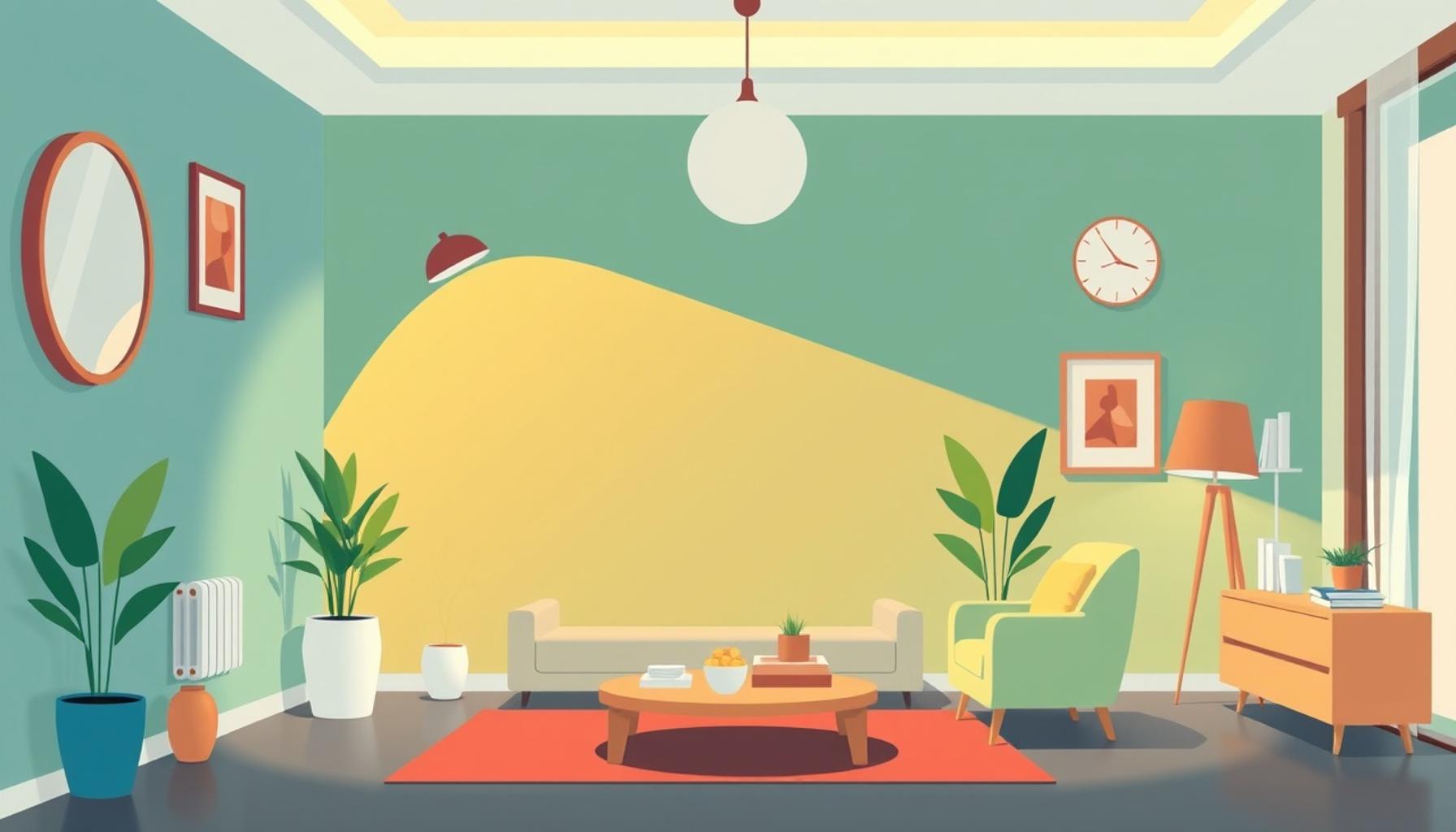
The Influence of Minimalist Philosophy on Space Efficiency in Urban Living

Understanding Minimalism in Urban Settings
Urban living often presents challenges such as limited space and escalating costs. Amid this backdrop, the influence of minimalist philosophy emerges as a solution for achieving significant space efficiency. By stripping away the non-essential, city dwellers are discovering innovative ways to maximize their living environments, leading to a more fulfilling lifestyle within the bustling confines of city life.
Key Principles of Minimalism
At its core, minimalism promotes simplicity and functionality, allowing individuals to streamline their lives. Key principles include:
- Decluttering: The process of removing excess belongings not only creates a sense of openness but can also simplify everyday decision-making. For example, many urban residents choose to embrace the “one in, one out” rule, whereby they let go of an item for every new one they bring into their home.
- Functionality: Choosing furniture and designs that serve multiple purposes is critical in small spaces. This might include a sofa bed for guests or a coffee table that doubles as storage. Such choices allow urban dwellers to capitalize on every square foot of their homes without sacrificing comfort or style.
- Thoughtful Design: Utilizing smart layouts that enhance the flow of space can transform a cramped apartment into a serene oasis. For instance, open floor plans or sliding partitions can create the illusion of more space while still providing necessary privacy when required.
This philosophy is not merely an aesthetic choice; it represents a profound shift in how residents perceive their surroundings. Many urban homeowners are turning to minimalist principles for numerous reasons:
- Lower maintenance: A minimalist space requires less time and effort to clean and maintain, which is particularly appealing to busy professionals.
- Cost savings: By investing in higher-quality, multifunctional items instead of numerous low-cost goods, individuals can save money in the long run.
- Increased well-being: A reduced visual clutter enhances mental clarity, leading to a sense of calm and improved overall well-being.
As we delve deeper into this topic, it’s essential to explore how minimalist philosophy reshapes not only individual living spaces but also broader urban planning initiatives. Cities like San Francisco and New York are witnessing a rise in co-living spaces and tiny homes that embody minimalist ideals. By examining case studies and innovative designs, such as the work of architects who specialize in micro-apartments, we can better understand the far-reaching implications of minimalism on city life. In this evolving landscape, urban residents and planners alike are challenged to rethink what it means to live comfortably and sustainably in densely populated areas.
Transforming Living Spaces: The Practical Application of Minimalism
As the urban landscape evolves, so too does the need for innovative solutions that address space constraints while promoting a more sustainable lifestyle. The influence of minimalist philosophy extends beyond mere aesthetics; it fundamentally alters how residents conceptualize their living environments. By prioritizing essential elements and fostering adaptability, urban dwellers are increasingly embracing designs that reflect a minimalist approach. This shift is particularly relevant in populous cities across the United States, where real estate costs are soaring and space is at a premium.
Innovative Housing Solutions
One of the most striking examples of minimalism’s impact on urban living is the emergence of tiny homes and micro-apartments. These compact dwellings are intentionally designed to maximize functionality within limited square footage. For instance, in cities like Portland and New York, developers are creating entire communities centered around these minimal living spaces, allowing residents to live comfortably while minimizing their environmental footprint. The trend underscores a growing recognition that less can indeed be more when it comes to everyday living.
- Co-living Spaces: A growing number of urbanites, especially millennials and Gen Z, are gravitating toward co-living arrangements that encapsulate minimalist principles. These shared living environments promote affordable housing solutions while facilitating a sense of community. By sharing amenities such as kitchens and lounges, residents enjoy the benefits of social interaction and reduced living expenses without the burden of excess.
- Multi-Functional Spaces: In the realm of design, architects and interior designers are turning to multifunctional furniture and flexible layouts to cater to this minimalist mindset. From foldable desks to Murphy beds, innovative pieces enable the transformation of a single room into several practical areas, accommodating both work and leisure without cluttering the space.
- Sustainable Materials: The minimalist philosophy often intertwines with sustainability, as urban residents seek eco-friendly materials for their living spaces. The use of reclaimed wood, energy-efficient appliances, and non-toxic paints not only contributes to a healthier environment but also complements the minimalist approach by emphasizing simplicity and enduring quality.
As urban spaces become increasingly dense and diverse, the adoption of minimalist strategies cultivates a new ethos of living that echoes the complexities of modern life. By understanding the practical applications of minimalist philosophy, individuals can navigate their urban environments more efficiently, leading to enhanced quality of life. The reimagining of living spaces represents a cultural shift towards prioritizing experiences and relationships over material accumulation, an ethos that resonates strongly within the fabric of contemporary city life.
In the following sections, we will delve deeper into specific city initiatives and projects that personify this transformation, shedding light on how urban planners are reconfiguring our cities to accommodate a more minimalist lifestyle. From designing public spaces that promote connectivity to developing regulatory frameworks that support tiny home communities, the future of urban living is being shaped by the principles of minimalism in unforeseen ways.
| Category | Description |
|---|---|
| Space Optimization | Minimalist design promotes thoughtful utilization of space, allowing urban dwellers to maximize living areas in tiny apartments. |
| Environmental Impact | By adopting a minimalist approach, cities can achieve greater sustainability, reducing waste and energy consumption in urban spaces. |
| Aesthetic Value | Simple and elegant designs offer a visually appealing environment that promotes well-being and tranquility among city residents. |
| Cost Efficiency | Minimalist living often leads to lower maintenance costs, making housing more affordable and accessible in urban areas. |
The minimalist philosophy has a profound impact on how we think about urban living environments. As cities continue to grow, space efficiency becomes crucial. Through clever design and intentionality, minimalist principles enable residents to create functional and pleasant spaces, demonstrating that less truly can be more. In numerous urban projects worldwide, these principles have redefined residential living, emphasizing quality over quantity.For example, modular furniture has emerged as a popular solution for urban spaces, offering adaptability without sacrificing style or comfort. Additionally, in many neighborhoods, green spaces designed with minimalist philosophy incorporate natural elements that foster community connection and environmental awareness. This drive towards space-efficient living reflects a broader societal shift towards sustainability, encouraging urban planners and residents alike to rethink traditional living paradigms. Explore how minimalist thinking continues to shape the urban landscape and discover its implications for future urban development.
Redefining Urban Landscapes: Public Spaces and Community Engagement
As minimalist philosophy finds its way into residential designs, its influence also extends into public spaces, transforming the overall urban experience. In contemporary cities, the emphasis shifts from sprawling parks and extravagant architecture toward functional public spaces that encourage accessibility, interaction, and simplicity. This evolution in urban design seeks to create environments where the community can thrive, and the essence of a minimalist lifestyle can permeate everyday life.
Smart Urban Design
Urban planners are increasingly advocating for designs that prioritize space efficiency and user experience. The idea is to provide spaces that foster social cohesion without the burdens of excessive maintenance or over-engineering. For example, cities like San Francisco and Seattle are integrating more green spaces with simple landscape designs, such as open lawns and shaded seating areas, serving as welcoming havens amidst concrete surroundings. Such designs emphasize functionality over extravagance, echoing minimalist principles.
- Pop-Up Public Spaces: An innovative trend that aligns with minimalist ideals involves creating temporary, pop-up public spaces that adapt to urban needs while reducing environmental impact. Cities like New York have embraced this approach, transforming streets into pedestrian-friendly zones equipped with seating and community art, thereby promoting social interaction without heavy investment.
- Community Gardens: Emphasizing both nutrition and connection with nature, community gardens have become focal points for urban dwellers. These gardens often occupy small plots of land and encourage residents to participate in growing their own food, reinforcing the minimalist values of sustainability and community engagement. Not only do they beautify the urban landscape, but they also cultivate a sense of ownership and collective purpose.
- Smart Mobility Solutions: Reducing one’s carbon footprint is an essential element of modern minimalist living. As part of urban planning, cities are expanding their transportation networks to include bike lanes, pedestrian pathways, and public transport initiatives. Cities like Copenhagen have set benchmarks by integrating cycling infrastructure, showing that efficient mobility solutions align with creating a thriving urban ecosystem.
Urban parks or plazas designed under minimalist principles promote a simplified lifestyle that encourages people to come together for social interaction, fostering stronger community bonds. Events such as farmer’s markets, art fairs, and open-air concerts in streamlined spaces invite residents to share experiences, making urban living more about quality time rather than material accumulation.
The shift toward minimalism in public spaces also catalyzes residents to reconsider urban development’s role in their lives. The minimalist approach urges communities to advocate for policies that prioritize green initiatives and sustainability. Cities are increasingly listening to public sentiments, utilizing community input to reimagine existing spaces, fostering an inclusive dialogue that aligns with minimalist ideals.
As we explore case studies of specific urban initiatives in the following sections, we will highlight successful examples of cities embracing minimalist philosophy. From reimagined waterfronts to pedestrian-friendly neighborhoods, the influence of minimalism is crafting a new narrative for urban living— one where efficiency, community, and sustainability coexist harmoniously.
Conclusion: Embracing Minimalism for a Sustainable Urban Future
The influence of minimalist philosophy on space efficiency in urban living is reshaping the narrative of modern cities. As urban environments evolve, the need for simplicity, sustainability, and functionality becomes paramount. This minimalist approach advocates for a reduction in excess while embracing the value of community connection and efficient use of space. From the emergence of pop-up public spaces to the establishment of community gardens and smart mobility solutions, urban planners are redefining how spaces are utilized and experienced.
The emphasis on functional design promotes a sense of ownership among residents, fostering vibrant communities that focus on quality interactions rather than material possessions. As cities adopt these principles, residents are encouraged to engage with their environments in meaningful ways, cultivating a lifestyle that harmonizes cultural richness with environmental consciousness. Urban initiatives undertaken in cities like New York, San Francisco, and Copenhagen highlight the potential of minimalist philosophy to reimagine urban living.
Looking ahead, the integration of minimalist strategies in urban planning offers a promising path toward more resilient and inclusive communities. This philosophy not only enhances the aesthetic appeal of urban landscapes but also underpins sustainable practices that address pressing challenges such as climate change and urban sprawl. Embracing these principles can pave the way for a future where growing populations can coexist harmoniously in efficient, engaging, and environmentally conscious urban settings. Therefore, as we move forward, it remains essential for communities to advocate and participate actively in these transformative efforts, fostering a culture that reveres simplicity and sustainability as cornerstones of urban living.

Beatriz Johnson is a seasoned minimalist and writer with a passion for simplifying the complexities of personal organization and intentional living. With over a decade of experience in decluttering strategies and mindful consumption, she specializes in topics like space optimization, habit simplification, and sustainable lifestyle choices. Through her work on our website, Beatriz empowers readers to embrace minimalism, reduce mental and physical clutter, and create more meaningful, organized lives in today’s fast-paced world.

Beatriz
Beatriz Johnson is a seasoned minimalist and writer with a passion for simplifying the complexities of personal organization and intentional living. With over a decade of experience in decluttering strategies and mindful consumption, she specializes in topics like space optimization, habit simplification, and sustainable lifestyle choices. Through her work on our website, Beatriz empowers readers to embrace minimalism, reduce mental and physical clutter, and create more meaningful, organized lives in today's fast-paced world.