Minimalist Interior Design: The Importance of Lighting in Space Efficiency
Illuminate Your Space
In the landscape of minimalist interior design, the mantra of “less is more” is not just a catchphrase; it’s a guiding principle that transforms how we perceive and interact with our environments. Central to this transformation is the strategic use of lighting, which significantly enhances both the aesthetic appeal and functionality of a space. By mastering the manipulation of light, homeowners and designers can create innovative solutions that expand small environments, making them feel larger, more inviting, and ultimately, more enjoyable to inhabit.
The Role of Lighting in Minimalism
Lighting in minimalist design is multifaceted and can serve several crucial roles:
- Enhance Architectural Features: Well-placed lighting can shift the focus toward unique architectural elements, such as beams, niches, or textured walls, which might otherwise go unnoticed. For instance, using LED strips to highlight a simple shelf or a fireplace can create a centerpiece that draws the eye and adds character to the room.
- Control Mood and Ambiance: Different types of lighting—such as warm, soft lighting versus bright, harsh lights—can dramatically influence the energy and feel of a room. A warm glow can create a cozy atmosphere ideal for relaxation, while brighter light can invigorate the environment, making it suitable for a workspace or a social setting.
- Save Energy: In a world increasingly concerned with sustainability, energy-efficient lighting solutions such as LED bulbs not only deliver a clean aesthetic but also promote a greener lifestyle. These options consume less electricity and have a longer lifespan, ensuring that a minimalist aesthetic is achieved without compromising environmental values.
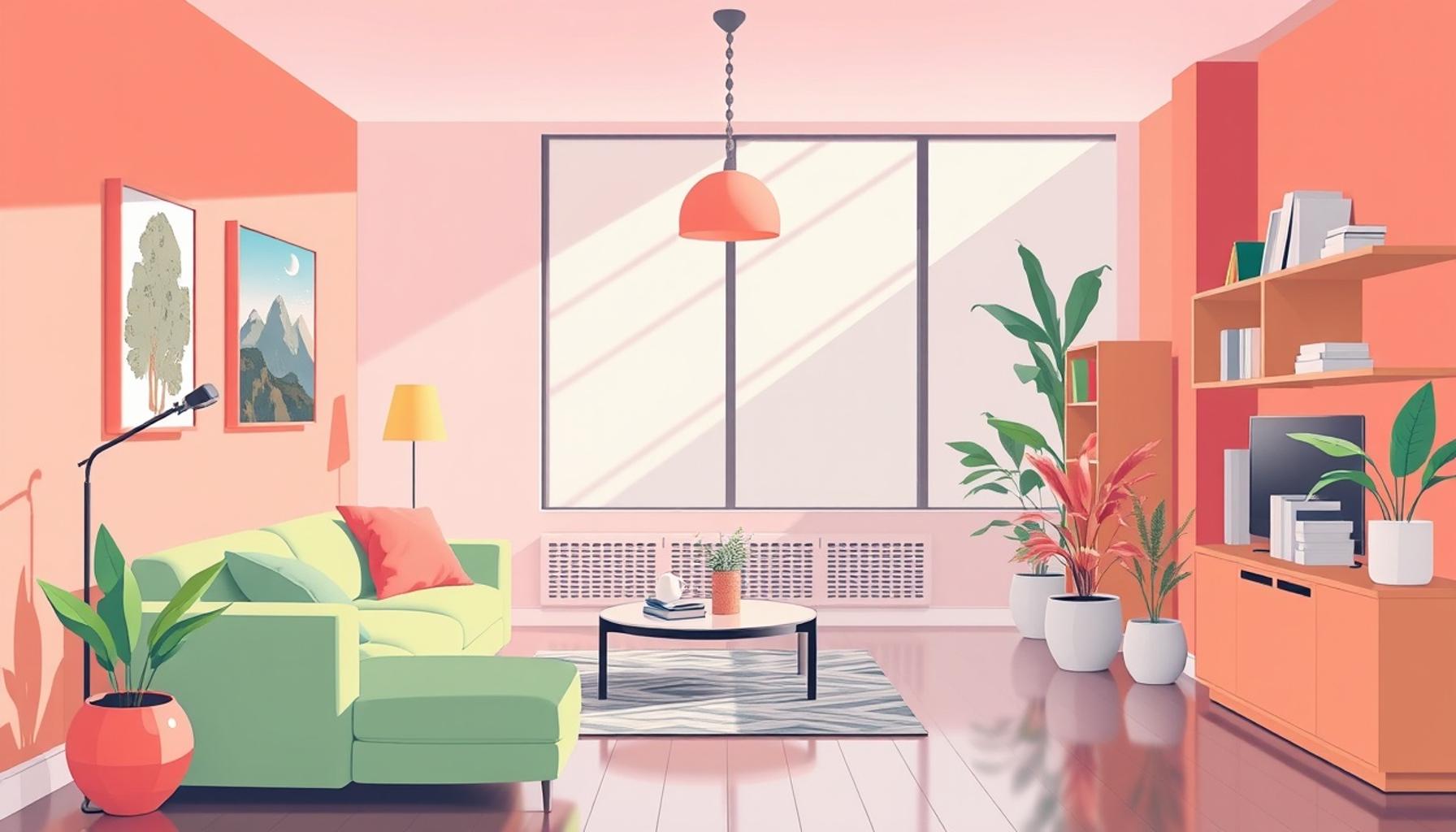
Effective use of light transcends mere illumination; it can redefine spatial boundaries and create an illusion of spaciousness. Proper window treatments and reflective surfaces can amplify natural light, serving as a design element that instills a sense of clarity and tranquility. For instance, using sheer curtains allows daylight to flood in while maintaining privacy, a balance often sought in urban homes.
Why You Should Care
A deeper examination of lighting’s importance in minimalist design reveals a sophisticated approach to spatial organization that is crucial as urban living spaces continue to diminish in size. Bright ideas about lighting can help homeowners and designers alike understand how they can enhance both beauty and functionality. This knowledge is particularly relevant in high-density cities across the United States, where apartment living is prevalent. Small spaces do not have to feel claustrophobic; instead, they can embody a stylish serenity that invites comfort and warmth.
Diving into the world of lighting allows one not only to discover clever techniques and design ideas but to fully appreciate the influence that light has on mood, functionality, and our overall well-being. So, take a closer look at the lighting in your space—how it operates, its efficiencies, its benefits—and consider how it can be harnessed to elevate even the most minimalist of interiors.
Maximizing Space through Thoughtful Illumination
The intersection of minimalist interior design and lighting reveals an essential understanding of how light transforms our living spaces. As homes, especially in urban areas, become increasingly compact, the role of lighting extends beyond mere functionality to become a vital component of resourceful space management. Well-designed lighting schemes can create a seamless flow that enhances not only aesthetics but also the perceived spaciousness of an area.
Creative Lighting Solutions for Compact Living
When exploring the relationship between lighting and space efficiency, several strategies can be employed to harness the full potential of light:
- Layered Lighting: This involves the use of multiple lighting sources at different levels, such as ambient, task, and accent lighting. Combining these different types can create depth and delineate areas within an open floor plan without the need for physical barriers, thus enhancing the utility of each square foot.
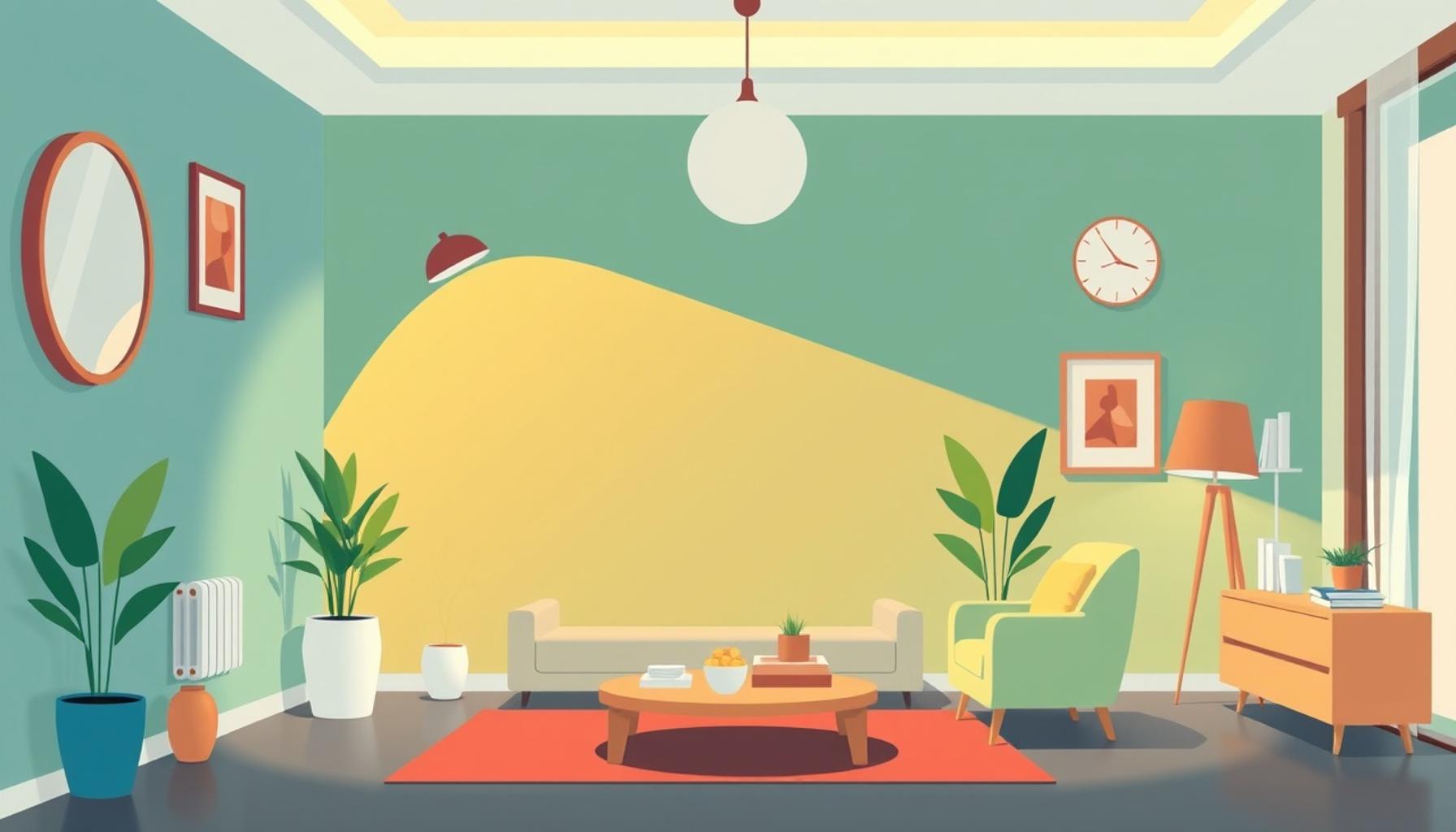
- Strategic Placement: Positioning light fixtures thoughtfully enhances both the function and focus of a room. For instance, wall-mounted fixtures can free up valuable floor space while casting light upwards, creating an illusion of taller walls and higher ceilings.
- Mirrors and Reflective Surfaces: Incorporating mirrors or high-gloss finishes can amplify the effect of both natural and artificial light sources. A strategically placed mirror opposite a window can double the light entering a room, reinforcing a sense of openness and airiness.
Moreover, the choice of materials and colors within a space plays a significant role in how light is perceived. Lighter colors, such as whites and pastels, reflect more light, whereas darker shades absorb it, thereby diminishing openness. This is particularly relevant in smaller spaces, where the selection of paint colors and furnishings can dictate the overall feel of the environment.
The Transformative Power of Natural Light
Natural light remains a powerful ally in minimalist design. It not only saves energy but also contributes to the well-being of inhabitants. Exposure to natural light is linked to various health benefits, including improved mood and sleep quality. Utilizing large windows, skylights, or open-concept designs can significantly enhance the amount of daytime light, making a space feel inviting and lively. In addition, integrating elements such as glass doors or translucent panels can help expand visual sightlines to the outdoors, thereby creating a connection with nature that is often sought in minimalist design.
The implications of effective lighting in minimalist design extend well beyond decoration; they challenge conventional notions of space limitations. With innovative approaches to light management, any interior can become a sanctuary of simplicity, enhancing how we experience our surroundings. Utilizing lighting wisely not only optimizes space but also contributes to a lifestyle that embraces clarity and minimalism at its core. This is especially pertinent in densely populated cities in the United States, where maximizing small living areas is both a necessity and an art form.
Minimalist Interior Design: The Importance of Lighting in Space Efficiency
In the realm of minimalist interior design, the significance of lighting transcends mere aesthetic appeal; it plays a critical role in optimizing space efficiency. The strategic use of lighting can transform how we perceive and utilize our living spaces, ensuring that even the smallest areas feel open and inviting. Understanding this concept can be a game-changer for anyone looking to enhance their home environment.
Consider the impact of natural light: it creates a sense of openness that artificial lighting often struggles to replicate. Large windows and strategic placements can flood a minimalist space with sunlight, which not only illuminates but also connects indoor settings with the outdoors, fostering a calming atmosphere. Furthermore, using light-colored decor amplifies this effect, allowing natural light to bounce around the room, making the space feel larger.
Conversely, when natural light is limited, the choice of artificial lighting becomes paramount. Soft, warm LED lights can create an inviting ambiance, while task lighting, such as under-cabinet lights in kitchens or lamps in reading corners, can optimize functionality without overwhelming the simplicity that minimalist design calls for. Choosing fixtures that blend seamlessly with the overall decor, such as sleek pendant lights or unobtrusive wall sconces, further enhances the minimalist approach.
Lastly, layering different types of lighting—ambient, task, and accent—allows for flexibility in a minimalist space. This not only caters to various activities throughout the day but also emphasizes design elements and textures within the room. Understanding the importance of lighting in minimalist interior design is essential for achieving both aesthetic appeal and space efficiency.
| Category 1 | Category 2 |
|---|---|
| Natural Light | Enhances openness and connection to the outdoors. |
| Artificial Lighting | Creates mood and functionality; essential for smaller spaces. |
| Layering Lighting | Combines ambient, task, and accent lighting to enhance design. |
Exploring these elements not only elevates the aesthetic of a minimalist space but also drives home the significance of lighting in achieving a harmonious and functional room design. As you delve deeper into these methods, you’ll find an array of possibilities for creating inviting spaces that reflect your personal style while remaining efficient in design.
The Role of Lighting in Psychological Space Perception
In the realm of minimalist interior design, the impact of lighting goes well beyond the physical dimensions of a room; it also plays a critical role in shaping our psychological experience of space. Lighting can influence how we perceive a room’s size and functionality, creating an environment that feels larger, more inviting, and more organized. Understanding this psychological aspect allows homeowners and designers to leverage lighting as a tool for enhancing spatial experiences.
Illumination and Emotional Response
Lighting can evoke emotional responses that significantly alter the ambiance of a space. For example, warm tones can create a cozy, intimate feel, while cooler shades can impart a sense of cleanliness and modernity. According to a study by the American Psychological Association, spaces illuminated by warmer light sources, such as incandescent bulbs or warmer LED lights, tend to foster social interactions and relaxation, which is particularly critical in small apartments where maximizing comfort is essential.
Furthermore, the ability to control light through dimmers can transform a dual-purpose space from a vibrant workspace to a tranquil retreat simply by adjusting the intensity of the light. This ability to adapt a single area to various needs enhances the functionality of small living spaces while maintaining a minimalist philosophy of intentional living.
Innovative Lighting Technologies
The evolution of lighting technologies has introduced exciting opportunities for space efficiency in minimalist design. Smart lighting systems offer flexibility that was previously unimaginable. Homeowners are now able to create customizable lighting schemes that adjust according to the time of day or even their mood. Systems like Philips Hue and LIFX allow users to manage lighting via smartphone applications, ensuring that each area serves its purpose when necessary while conserving energy when illumination is not required.
Additionally, advancements in LED technology have revolutionized how we think about light fixtures. LEDs are not only energy-efficient but also have a much smaller profile than traditional bulbs. This allows for the design of sleek, minimalist fixtures that enhance rather than dominate a space. By choosing recessed lighting or integrated lighting solutions, designers can maintain an uncluttered aesthetic while still maximizing the benefits of light.
Consistent Design Language
In minimalist interiors, lighting fixtures should not be an afterthought but rather an integral part of the overall design language. This means selecting fixtures that complement the style of furniture and architecture within the space. Hanging pendants over a dining table or sleek wall-mounted sconces can provide functional illumination while also serving as sculptural elements in their own right. Each choice should reflect a commitment to a cohesive design mantra, reinforcing the minimalist philosophy of ‘less is more’ without sacrificing style.
Moreover, creating a consistent aesthetic across light sources can unify different areas of a compact home. Using the same design themes, materials, or colors for various fixtures helps create visual harmony, allowing light to become an integral part of the overall narrative of space.
As we dive deeper into the sophisticated interplay between lighting and minimalist design, it becomes evident that effective lighting can entirely alter both the functionality and emotional resonance of a space. By consciously selecting and implementing lighting solutions, homeowners can expand their interiors and create environments that not only look aesthetically pleasing but also feel spacious, welcoming, and genuinely livable.
Conclusion
In the dynamic world of minimalist interior design, lighting emerges as a cornerstone of both aesthetic appeal and practical functionality. As we’ve explored, the careful selection and placement of lighting not only enhance visual space but also significantly affect how we perceive and experience our environments. By utilizing innovative lighting technologies, such as smart lighting systems and energy-efficient LEDs, homeowners can maximize space efficiency while embodying the minimalist ethos of simplicity and intentionality.
Moreover, the psychological effects of lighting should not be overlooked. Lighting can dictate the mood of a space, transforming it from a functional area into a cozy retreat or an energetic workspace, which proves invaluable in smaller homes where every square foot counts. By incorporating consistent design elements across light sources, we can create a harmonious environment that reflects a unified aesthetic while enhancing the overall livability of a space.
Ultimately, the importance of lighting in minimalist interior design transcends mere illumination; it serves as an essential narrative tool that shapes our experiences within a room. As we continue to embrace the principles of minimalism, acknowledging the power of light will empower us to design spaces that are not only beautiful but also remarkably efficient. As you explore your own living areas, consider the potential of lighting to elevate your minimalist vision—it’s a journey well worth taking.

Beatriz Johnson is a seasoned minimalist and writer with a passion for simplifying the complexities of personal organization and intentional living. With over a decade of experience in decluttering strategies and mindful consumption, she specializes in topics like space optimization, habit simplification, and sustainable lifestyle choices. Through her work on our website, Beatriz empowers readers to embrace minimalism, reduce mental and physical clutter, and create more meaningful, organized lives in today’s fast-paced world.

Beatriz
Beatriz Johnson is a seasoned minimalist and writer with a passion for simplifying the complexities of personal organization and intentional living. With over a decade of experience in decluttering strategies and mindful consumption, she specializes in topics like space optimization, habit simplification, and sustainable lifestyle choices. Through her work on our website, Beatriz empowers readers to embrace minimalism, reduce mental and physical clutter, and create more meaningful, organized lives in today's fast-paced world.