Use of Neutral Colors and Textures in Creating Minimalist Spaces: Enhancing the Sense of Spaciousness and Order

Understanding Neutral Colors in Interior Design
Neutral colors are the cornerstone of many successful interior design projects. They not only create a feeling of serenity but also serve as a versatile backdrop that allows other elements of a room to shine. For example, when you paint your walls in soft shades of white or light gray, you create a blank canvas that can make your space feel both larger and more welcoming. The reflective quality of these colors amplifies natural light, further contributing to an airy atmosphere that is often sought after in modern interiors.
Moreover, using a cohesive palette of neutral tones helps in unifying various elements within a space. For instance, if your furniture is primarily dark wood, a light beige wall setting can create a pleasant contrast that draws the eye without overwhelming the senses. By sticking to a neutral color scheme, you also allow yourself the freedom to experiment with accessories and decor that might include vibrant artwork, textile throws, or decorative items that add personality without disrupting the harmony.
The Role of Texture in Minimalism
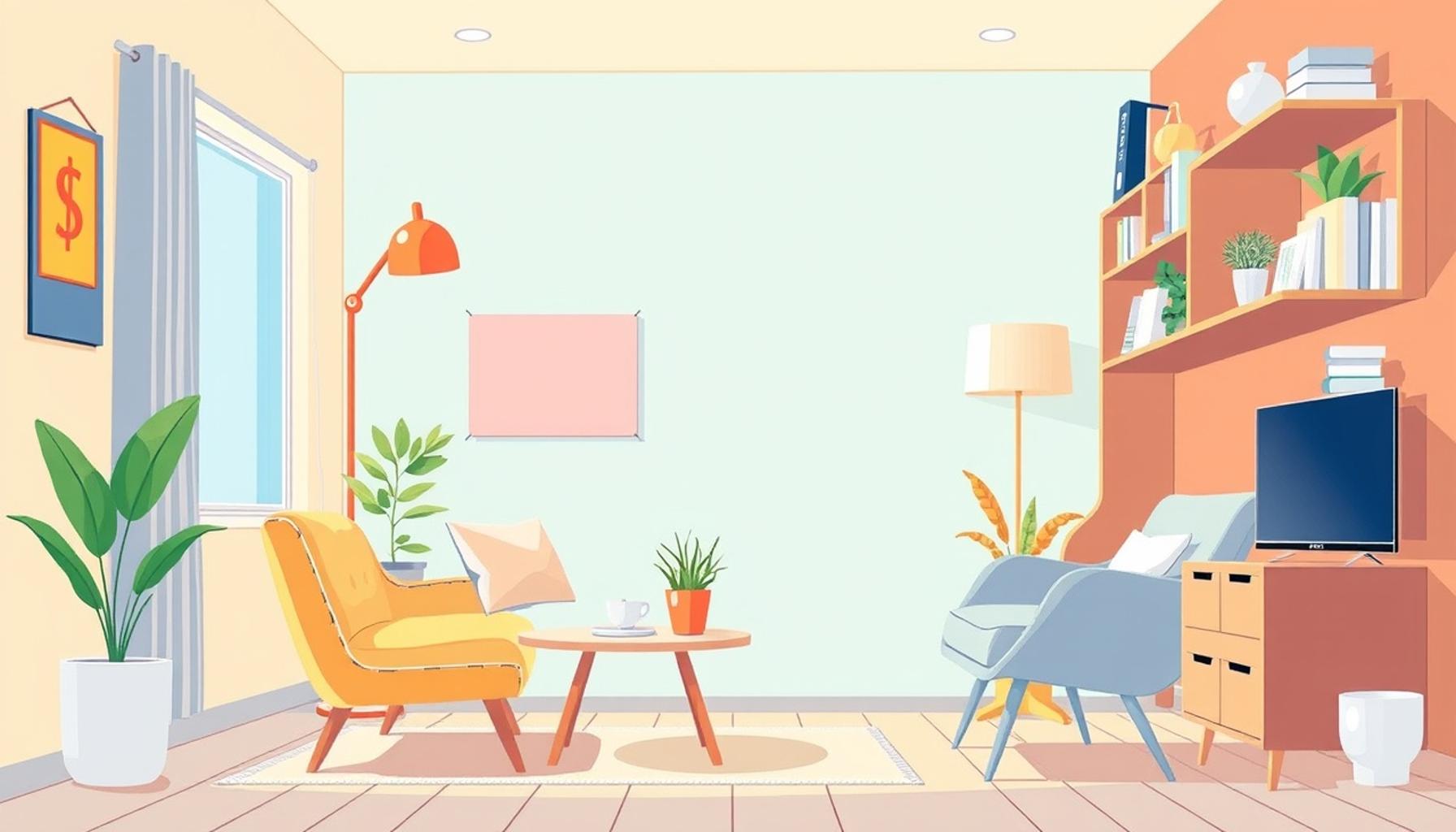
Texture adds essential depth to any design, particularly in a minimalist context where the aim is to keep decor streamlined yet engaging. Imagine a living room where plush linen cushions seamlessly complement a sleek leather sofa. This juxtaposition allows these textures to contribute visual interest while maintaining an uncomplicated look. Integrating natural materials, such as reclaimed wood for shelving or rough-hewn stones for a fireplace, can introduce a warm, organic feel that complements neutral colors beautifully.
Elegant textures can be introduced through simple additions. For example, a soft, hand-woven throw can elevate the ambiance of a neutral-colored chair, making it feel inviting and cozy. Furthermore, combining smooth finishes, like polished metal fixtures, with more tactile elements creates a beautiful sensory experience that encourages touch and enhances the overall comfort of a space.
How to Implement These Concepts in Your Home
As you consider updating your living environment, think of ways to integrate neutral colors and varied textures harmoniously. Start by selecting a base color from the neutral palette, then layer in different tactile elements. For instance, in your bedroom, you can opt for light gray walls paired with a luscious faux fur throw and smooth satin sheets to achieve both elegance and coziness. This approach not only cultivates a soothing nighttime sanctuary but also incorporates elements that stimulate the sense of touch and visual appeal.
In conclusion, the strategic use of neutral colors and diverse textures is not just about aesthetics—it’s about creating an environment that promotes tranquility, organization, and an overall sense of balance in our often chaotic lives. By thoughtfully selecting these design elements, anyone can embrace the beauty of minimalism and craft a space that feels both personal and expansive.
Creating a Calm and Organized Atmosphere
The philosophy behind minimalist design revolves around the idea that less is more. Central to this concept is the use of neutral colors and textures, which can evoke peace and simplicity while enhancing the overall sense of order within a living space. In today’s fast-paced world, creating a tranquil environment is not merely a luxury but a necessity for improved mental health and well-being.
In residential spaces, the strategic application of neutral colors like beige, taupe, and soft pastels can significantly impact the perception of space. By opting for such shades, you can establish a harmonious flow that minimises visual clutter. When walls, furniture, and even decorative items share a neutral palette, the room feels cohesive, allowing the eye to travel unobstructedly across surfaces. This sense of visual continuity can make small spaces appear larger, as each element seems interconnected rather than segmented.
In addition to color, the texture plays a vital role in transforming minimalist spaces into inviting sanctuaries. Utilizing a mix of textures can prevent a room from feeling flat or sterile. Here are a few suggestions to incorporate textures effectively:
- Textiles: Employ woven fabrics like cotton, linen, or wool for cushions, throws, or drapes to add warmth without overwhelming the space.
- Wood Elements: Integrating smooth or reclaimed wood in furniture or accents can create a natural contrast with softer materials.
- Metal Accents: Polished or brushed metals can provide a sleek edge and complement organic textures, contributing to a balanced feel.
- Stone Features: Incorporating stone into countertops or tiles introduces a rugged element that can enhance the overall aesthetic while promoting a sense of durability.
When designing a minimalist space, maintaining an uncluttered aesthetic is essential. Hence, decant your belongings and focus on what genuinely adds value or joy to your living area. Each piece should serve a purpose, whether functional or emotional. You might consider adopting a “one in, one out” rule to ensure your space remains uncluttered and open.
Furthermore, combining neutral colors with layered textures can lead to a more dynamic visual experience. Think of a simple white wall that hosts a collage of textural elements; a soft, plush area rug can ground the space, while textured wall art invites touch and contemplation. This strategic use of elements fosters an environment that is as engaging as it is peaceful.
Incorporating neutral colors and diverse textures into your spaces invites introspection and relaxation, allowing one to escape the complexities of everyday life. As people increasingly seek solace in their homes, embracing these design principles can help create an expansive, organized atmosphere conducive to tranquility and comfort.
| Advantage | Details |
|---|---|
| Enhanced Natural Light | Utilizing neutral colors like whites, creams, and soft grays maximizes the reflection of natural light, creating a brighter atmosphere in minimalist spaces. |
| Cohesive Aesthetic | A design approach focused on neutral textures allows for a seamless transition between elements, enhancing a sense of order and tranquility. |
| Psychological Comfort | Neutral tones create a calming effect, promoting relaxation and psychological well-being in minimalist environments. |
| Versatile Design | The adaptability of neutral colors makes it easy to incorporate various textures without overwhelming a space, allowing personal touches to shine. |
Embracing neutral colors and textures in minimalist spaces not only fosters an enhanced sense of spaciousness but also elevates the aesthetic appeal through a harmonious balance of elements. These design choices align beautifully with the principles of minimalism, ultimately contributing to a living space that feels both organized and inviting.The palette serves as a blank canvas, enabling homeowners to experiment with pops of color through accessories or plants. Neutral shades resonate with a wide audience, making them a popular choice in contemporary design. The importance of texture should not be overlooked; layering different materials such as wood, soft fabrics, and metals adds depth while maintaining that essential tranquil vibe. By carefully selecting both color and texture, one can curate an environment that not only reflects personal style but also offers a serene retreat from the chaos of everyday life, showcasing the transformative power of design.
Maximizing Natural Light and Visual Flow
One of the most compelling aspects of using neutral colors in minimalist design is their ability to amplify natural light, fundamentally altering the perception of a space. Homes positioned in urban environments, often challenged by limited daylight, can benefit greatly from the reflective properties of lighter shades such as cream, pale gray, or soft white. These hues create a canvas that not only bounces light around but also reduces the starkness that darker shades might impose.
In spaces where large windows flood the room with sunlight, a neutral palette can enhance this abundant light, making the interiors feel airy and open. This principle is particularly applicable to open-concept layouts, where integrating seamless transitions between living, dining, and cooking areas is essential. For instance, using consistent neutral tones across all spaces creates a visual thread that guides the eye, reinforcing the notion of spaciousness and cohesion.
To further embrace this mastery of light, numerous element combinations can be explored:
- Mirrored Surfaces: Strategically placing mirrors can reflect light and create the illusion of a larger area, enhancing the spaciousness of any room.
- Sheer Window Treatments: Utilizing lightweight, translucent fabrics allows for maximum light entry while still providing privacy, making rooms feel more open.
- Glossy Finishes: Incorporating high-gloss elements in furniture or decor can contribute to light reflection, giving a dynamic quality to the setup.
Simplicity in design often translates to the careful arrangement of furniture and decor, crafting an effective spatial flow. Adopting a minimalist approach means considering furniture placement not merely for aesthetics but for functionality and movement. Cluttered pathways can impede the feeling of openness and peace that a minimalist environment promotes.
Choosing furniture with clean lines and minimal ornamentation is crucial in achieving the ideal flow. For example, selecting a low-profile sofa in a neutral shade can ensure that it does not dominate the space visually, while the incorporation of multifunctional pieces—like a coffee table that doubles as storage—clears unnecessary clutter. As a result, this favors an environment where functionality and elegance coexist.
Moreover, a well-considered focal point can anchor a minimalist space devoid of excessive detailing. Whether it’s a sculptural lighting fixture or a statement piece of art, this singular feature provides interest and a sense of purpose. Maintaining neutrality as a backdrop enhances the visibility of such features while serving as an evidence of intentional design.
Lastly, a conscientious approach to organization and storage is imperative in a minimalist aesthetic. Floating shelves in neutral finishes can offer a platform for personal items while remaining visually lightweight, further reinforcing an open ambience. Similarly, built-in cabinets in understated shades can hide away daily necessities, ensuring that the visual serenity of your space remains unhindered.
Adopting these practices encourages a lifestyle in which our environments reflect our values—simplicity, tranquility, and intentionality—all made possible through the thoughtful use of neutral colors and textures. Each design choice, when aligned with this principle, serves not only to beautify but also to streamline, reinforcing a sanctuary in which to unwind and rejuvenate.
Conclusion: The Art of Minimalism Through Neutrality
In summary, the use of neutral colors and textures in minimalist design is not merely an aesthetic choice; it is a powerful tool that enhances spaciousness and promotes order in our living environments. By carefully selecting hues such as cream, beige, or soft gray, homeowners can create a backdrop that amplifies natural light and fosters a sense of tranquility. The seamless visual flow achieved through this color palette helps to connect different areas within open-concept spaces, making them feel larger and more cohesive.
Moreover, complementing these neutral tones with thoughtful decor elements, like mirrored surfaces and multifunctional furniture, maximizes both style and utility. Such choices provide opportunities for creative expression while maintaining the minimalist ethos of simplicity and elegance. The strategic placement of items and mindful organization further reinforce the feeling of openness, allowing for uninterrupted movement and visual clarity.
Ultimately, embracing a minimalist approach grounded in neutral colors and textures leads to environments that reflect not just our preferences but our values—those of simplicity, order, and peace. As many are discovering, a minimalist lifestyle paves the way for a more intentional way of living, encouraging us to carve out our personal sanctuaries amid the hustle and bustle of modern life. Exploring this design philosophy may inspire you to create spaces that resonate with a sense of calm, clarity, and beauty while nourishing your spirit.

Beatriz Johnson is a seasoned minimalist and writer with a passion for simplifying the complexities of personal organization and intentional living. With over a decade of experience in decluttering strategies and mindful consumption, she specializes in topics like space optimization, habit simplification, and sustainable lifestyle choices. Through her work on our website, Beatriz empowers readers to embrace minimalism, reduce mental and physical clutter, and create more meaningful, organized lives in today’s fast-paced world.

Beatriz
Beatriz Johnson is a seasoned minimalist and writer with a passion for simplifying the complexities of personal organization and intentional living. With over a decade of experience in decluttering strategies and mindful consumption, she specializes in topics like space optimization, habit simplification, and sustainable lifestyle choices. Through her work on our website, Beatriz empowers readers to embrace minimalism, reduce mental and physical clutter, and create more meaningful, organized lives in today's fast-paced world.