
Outdoor Spaces: Integrating Key Principles of Minimalism in Gardens and Balconies
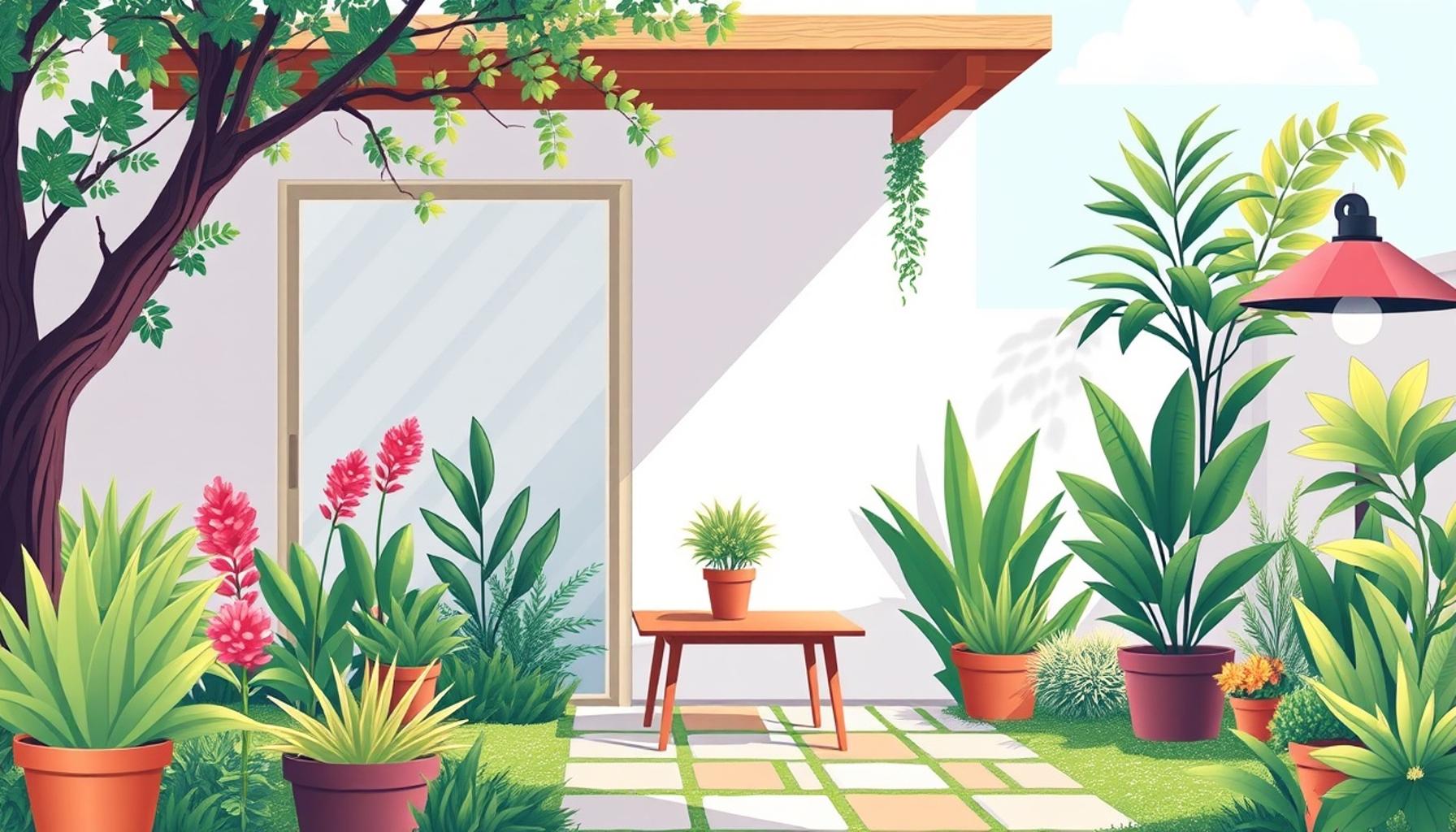
Embracing Minimalism in Outdoor Design
In today’s fast-paced world, the concept of minimalism has transcended beyond interiors and emerged as a powerful design philosophy for outdoor spaces. By stripping away excess and embracing simplicity, gardens and balconies can become serene havens for relaxation and mindfulness. This trend not only promotes an organized aesthetic but also fosters a deeper connection with our environment, encouraging us to savor the beauty of nature without distractions.
Key Principles of Minimalist Outdoor Design
Integrating key principles of minimalism in your outdoor spaces can lead to a more organized and aesthetically pleasing environment. Below are essential features that embody this philosophy:
- Focal Points: Select one or two striking elements, such as a unique plant, a beautiful sculpture, or a water feature, to draw attention. For instance, a sculptural tree or a contemporary bench can create an inviting centerpiece without cluttering the space.
- Color Palette: Use a limited color palette to create a cohesive look, often favoring neutral tones. Shades of white, gray, and earthy browns can evoke a calming atmosphere. Incorporating a few colorful potted plants strategically can provide vibrant pops of color without overwhelming the senses.
- Functional Furniture: Choose multi-functional furniture that maximizes utility while minimizing clutter. For example, consider a sleek, modern outdoor table that can serve as storage for gardening tools or a bench that doubles as a planter. This approach not only saves space but also enhances the overall functionality of the area.
Transforming Outdoor Spaces into Tranquil Escapes
By embracing these principles, individuals can transform their gardens and balconies into tranquil escapes. Minimalism encourages an intentional approach to design, pushing us to consider what truly matters in our outdoor areas. This philosophy not only enhances aesthetics but also cultivates mindfulness, allowing us to spend quality time in nature without the chaos of excessive decorations or furniture.
For those looking to create a minimalist garden or balcony, remember that less truly can be more. Consider the inclusion of native plants that require minimal maintenance while thriving in the local climate. Choose soft lighting options, like string lights or lanterns, that offer warmth without overpowering the tranquility of the space. As we delve deeper into this topic, prepare to discover innovative ideas that align with minimalistic values, leading to harmonious outdoor living experiences. The journey to creating a minimalist sanctuary begins with intentional choices that celebrate simplicity and the beauty of nature.
Creating Harmony Through Design
To achieve a minimalist outdoor space, embracing harmony and balance is essential. The way elements like plants, materials, and furniture interact with each other can either create a sense of peace or an overpowering visual chaos. By selecting thoughtfully designed components and allowing space for them to breathe, one can curate an environment that reflects the essence of minimalism.
Careful Plant Selection
When it comes to choosing plants for a minimalist garden or balcony, the key is to focus on quality over quantity. Rather than overloading the area with various species that compete for attention, consider selecting a few signature plants. Opt for low-maintenance options that offer high impact—such as succulents, ornamental grasses, or native flora that provide essential textures and colors without requiring excessive care.
- Succulents: These resilient plants thrive in various conditions, making them perfect for balconies exposed to direct sunlight.
- Ornamental Grasses: Grasses add movement and a gentle contrast to foliage while requiring minimal upkeep.
- Native Plants: Incorporating plants indigenous to the region can support local wildlife and create a natural ecosystem while ensuring effortless growth.
Furthermore, consider implementing vertical gardens or planters, which can draw the eye upward, create visual interest, and maximize small spaces. Using a combination of containers, such as sleek, modern pots, not only enhances the minimal aesthetic but also provides opportunities for practical arrangements.
Incorporating Textural Elements
Texture plays a crucial role in minimalist outdoor design, as it adds dimension without cluttering. The use of natural materials like wood, stone, and metal can bring warmth and sophistication to your garden or balcony. Consider integrating stone pathways or wooden decking to delineate spaces while maintaining the overall simplicity of your design. Using these elements can also enhance the tactile experience of your outdoor space—inviting you to engage with nature more fully.
Moreover, lighting serves as an important textural component. Employing soft, strategic lighting can establish ambiance while remaining unobtrusive. Options such as recessed lighting, solar lanterns, or pathway lights focused on key features allow for illumination without overpowering the calm atmosphere of your minimalist retreat.
As you contemplate your outdoor space, remember that minimalist design fosters a mindful connection with nature. Each decision should reflect a balance between aesthetics and functionality, encouraging reflection and rejuvenation in every outdoor visit. With thoughtful consideration of plants, materials, and lighting, you can create an outdoor haven that embodies the beauty of simplicity and serves as a sanctuary from the chaos of daily life.
Smart Design Choices in Outdoor Spaces
The art of minimalism in outdoor spaces emphasizes making deliberate design choices that create a serene environment. This approach encourages selecting high-quality materials which not only stand the test of time but also add to the aesthetic appeal. Think of using natural stone, sustainable wood, or metal accents that align with a minimalist vision, integrating seamlessly into the garden or balcony space. Simple, clean lines are key to achieving the understated elegance that minimalism embodies.
The Importance of Color Palette
A well-thought-out color palette can transform an outdoor area into a cohesive whole. Minimalism suggests favoring neutral tones, such as whites, grays, and soft earth colors, allowing nature’s hues to shine. By opting for harmonious colors, you can create a peaceful ambiance that promotes relaxation, making your outdoor space a perfect retreat. Consider accentuating the natural surroundings with strategically placed plants that can add vibrancy without overwhelming the senses.
Creating Functional Zones
Incorporating functionality into outdoor spaces is paramount. Minimalism involves the creation of dedicated zones that serve specific purposes, whether it’s a cozy reading nook, a dining area, or a meditation corner. Using multi-functional furniture can support this goal – think of sleek benches that can double as storage or tables that can fold away when not in use, maximizing the efficiency of smaller spaces.
Optimizing Space with Vertical Gardening
For those with limited balcony space, vertical gardening is a superb solution that maintains the minimalist ethos. This technique not only saves floor space but also adds layers and depth, transforming plain walls into lush green canvases. Utilizing vertical planters or wall-mounted shelves allows for an elegant display of plants, offering both aesthetic appeal and the benefit of fresh air. This method showcases the minimalist ideal of simplicity and functionality while enhancing your outdoor experience.
Emphasizing Natural Elements
Bringing nature into your outdoor design is essential for a minimalist garden or balcony. Using natural elements such as rocks, pebbles, and wood not only keeps the space grounded but also fosters a connection to the environment. Integrating water features, like a small fountain, can introduce a tranquil soundscape, contributing to the serene atmosphere that minimalism strives for. The fusion of nature and simplicity can create an escape from the chaos of daily life.
| Advantages | Description |
|---|---|
| Enhanced Aesthetics | Minimalism brings a clean and sophisticated look to gardens and balconies, emphasizing simplicity. |
| Increased Functionality | By focusing on essential elements, spaces become more usable while retaining beauty. |
Emphasizing Functionality and Purpose
In minimalist outdoor design, functionality is not merely an afterthought; it is woven into the very fabric of the space. Every element should serve a purpose, contributing to an overall sense of simplicity and ease. When redesigning a garden or balcony, consider how the layout will facilitate your lifestyle and encourage engagement with nature.
Multi-Functional Furniture
Furniture selection plays a significant role in achieving a minimalist aesthetic while ensuring practicality. Choose multi-functional pieces that can adapt to various needs without overpowering the space. Options like a sleek coffee table that doubles as a planter or benches with built-in storage for gardening tools promote organization and use of the area.
- Foldable Chairs: Lightweight and collapsible chairs can be stored away when not in use, allowing for flexibility in seating arrangements.
- Modular Seating: Modular outdoor sofas can be rearranged for different occasions while maintaining a clean line of sight.
- Stylish Storage Solutions: Choose decorative storage boxes or benches that blend seamlessly into your design, providing concealed space for items like cushions or gardening supplies.
Open Space and Layout
Designing an open layout within gardens and balconies enhances the feeling of spaciousness while encouraging interaction with the surroundings. Avoid overcrowding by maintaining clear paths and open areas that allow for movement and flow. Creating designated zones can also improve functionality—for example, establishing a serene reading nook surrounded by lush greenery or a small dining area to enjoy al fresco meals.
Incorporating features such as terraces, decks, or built-in planters can define subspaces while keeping the overall look cohesive. Consider using layering techniques, where various heights of plants and furniture can draw the eye upward, helping to create a sense of depth without cluttering the area.
Minimalist Water Features
To introduce an element of tranquility and connection to nature, consider incorporating a minimalist water feature. Simple ponds, fountains, or birdbaths can evoke a sense of peace while attracting wildlife. The sound of gently flowing water can serve as a serene backdrop, enhancing the overall ambiance without overwhelming the senses.
When it comes to materials, selecting a simple basin or a sleek stone fountain embodies minimalist principles and aligns with the natural environment. Ensure that these features are strategically placed in the garden or balcony to command interest while maintaining a serene atmosphere.
As you create or refine an outdoor space, remember that the principles of minimalism extend beyond mere aesthetics. They encourage an intentional approach to design that promotes a simpler, more harmonious relationship with your surroundings. By prioritizing functionality, thoughtful layout, and serene focal points, you can cultivate an outdoor environment that not only looks beautiful but also enhances your lifestyle.
Conclusion: Embracing Minimalism in Outdoor Spaces
In an increasingly cluttered world, the integration of minimalist principles in outdoor spaces like gardens and balconies offers a refreshing reprieve. By focusing on functionality and purpose, you can transform these areas into havens of tranquility that invite relaxation and engagement with nature. Choosing multi-functional furniture not only optimizes your space but also enhances the aesthetic appeal, allowing you to enjoy a seamless blend of form and function.
The strategic use of open layouts promotes movement and connection to your environment, while creating distinct activity zones encourages a dynamic interaction with your outdoor setting. Finally, integrating minimalist water features can infuse your garden or balcony with a soothing ambiance that elevates the overall experience without overpowering the natural beauty around you.
As you embark on the journey of designing or refining your outdoor space, consider how each choice reflects your personal style and lifestyle needs. Minimalism in gardens and balconies is not merely about reducing visual clutter; it’s a philosophy that champions simplicity, intentionality, and harmony with nature. By embracing these key principles, you not only cultivate a visually appealing space but also nurture a more mindful, enriched lifestyle.
Explore the myriad possibilities that minimalist design offers, and discover how a few intentional choices can profoundly impact your enjoyment and connection to the outdoors. Remember, the essence of minimalism is not just seen, but felt—creating environments where every moment is cherished.

Beatriz Johnson is a seasoned minimalist and writer with a passion for simplifying the complexities of personal organization and intentional living. With over a decade of experience in decluttering strategies and mindful consumption, she specializes in topics like space optimization, habit simplification, and sustainable lifestyle choices. Through her work on our website, Beatriz empowers readers to embrace minimalism, reduce mental and physical clutter, and create more meaningful, organized lives in today’s fast-paced world.

Beatriz
Beatriz Johnson is a seasoned minimalist and writer with a passion for simplifying the complexities of personal organization and intentional living. With over a decade of experience in decluttering strategies and mindful consumption, she specializes in topics like space optimization, habit simplification, and sustainable lifestyle choices. Through her work on our website, Beatriz empowers readers to embrace minimalism, reduce mental and physical clutter, and create more meaningful, organized lives in today's fast-paced world.