Multifunctional Environments: Creating Versatile Spaces with Principles of Minimalism and Spatial Efficiency
Embracing Multifunctional Environments in Urban Living
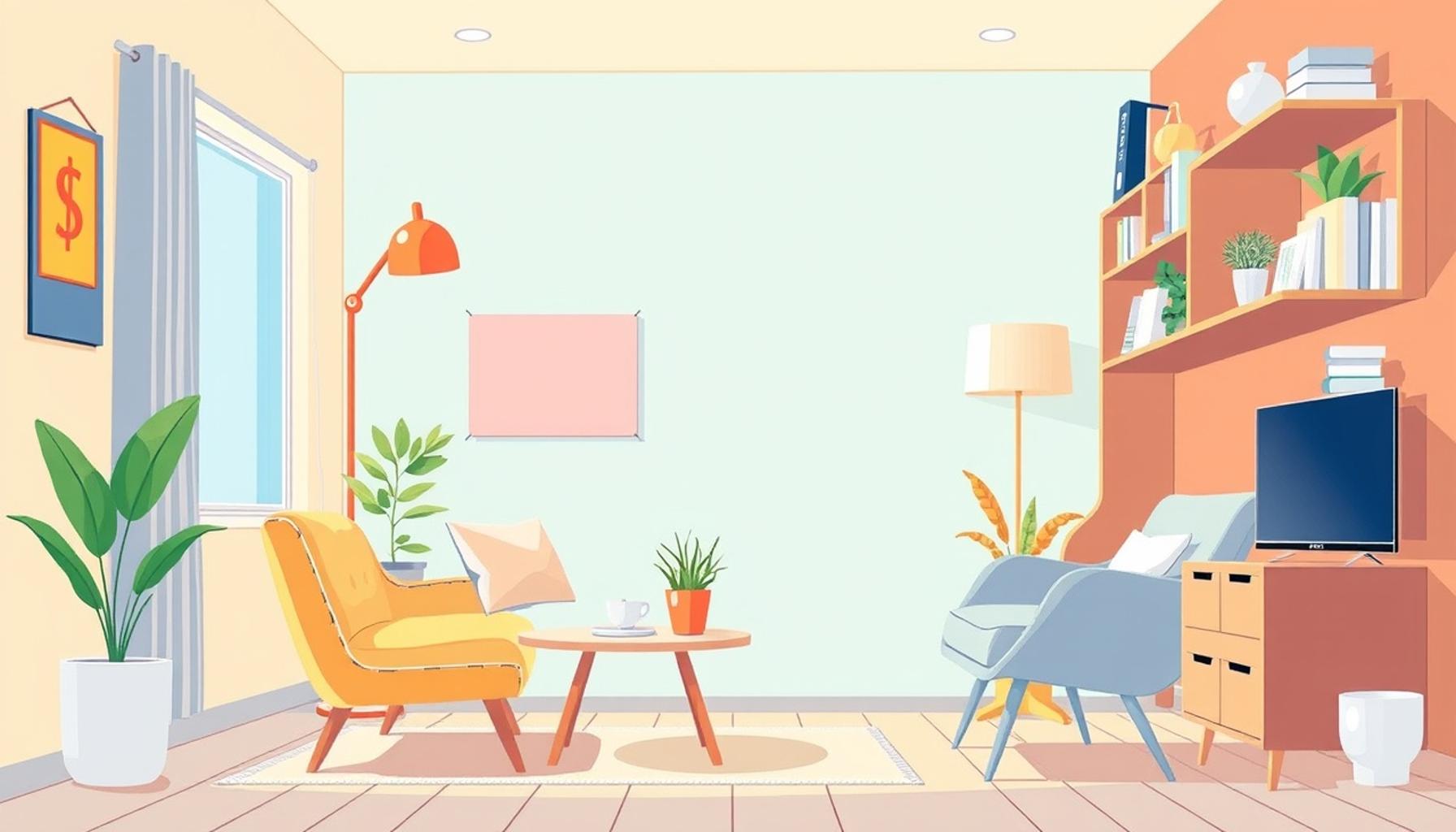
As urban areas become increasingly populated, the challenge of maximizing space while maintaining comfort and functionality has never been more pressing. Multifunctional environments emerge as a solution to this challenge, allowing individuals to adapt their living and working spaces to fit a variety of needs. This approach is not only practical but also embodies the principles of minimalism and spatial efficiency.
The design of multifunctional spaces encourages creativity and innovation. For instance, a small apartment can feature a foldable desk that can be tucked away when not in use, while a Murphy bed enables a bedroom to seamlessly transform into a home office. This flexibility enhances the utility of the space, ensuring that it can accommodate everything from work to relaxation.
- Flexibility: Imagine a living room that can easily morph into a yoga studio by rolling up a rug and clearing away furniture. This adaptability not only allows for a variety of activities but also promotes an active lifestyle, blending physical well-being with home life.
- Functionality: Consider furniture designed with dual purposes, like a coffee table that opens up for storage or an ottoman that can serve as extra seating during gatherings. This decreases clutter and organizes belongings without compromising style or comfort.
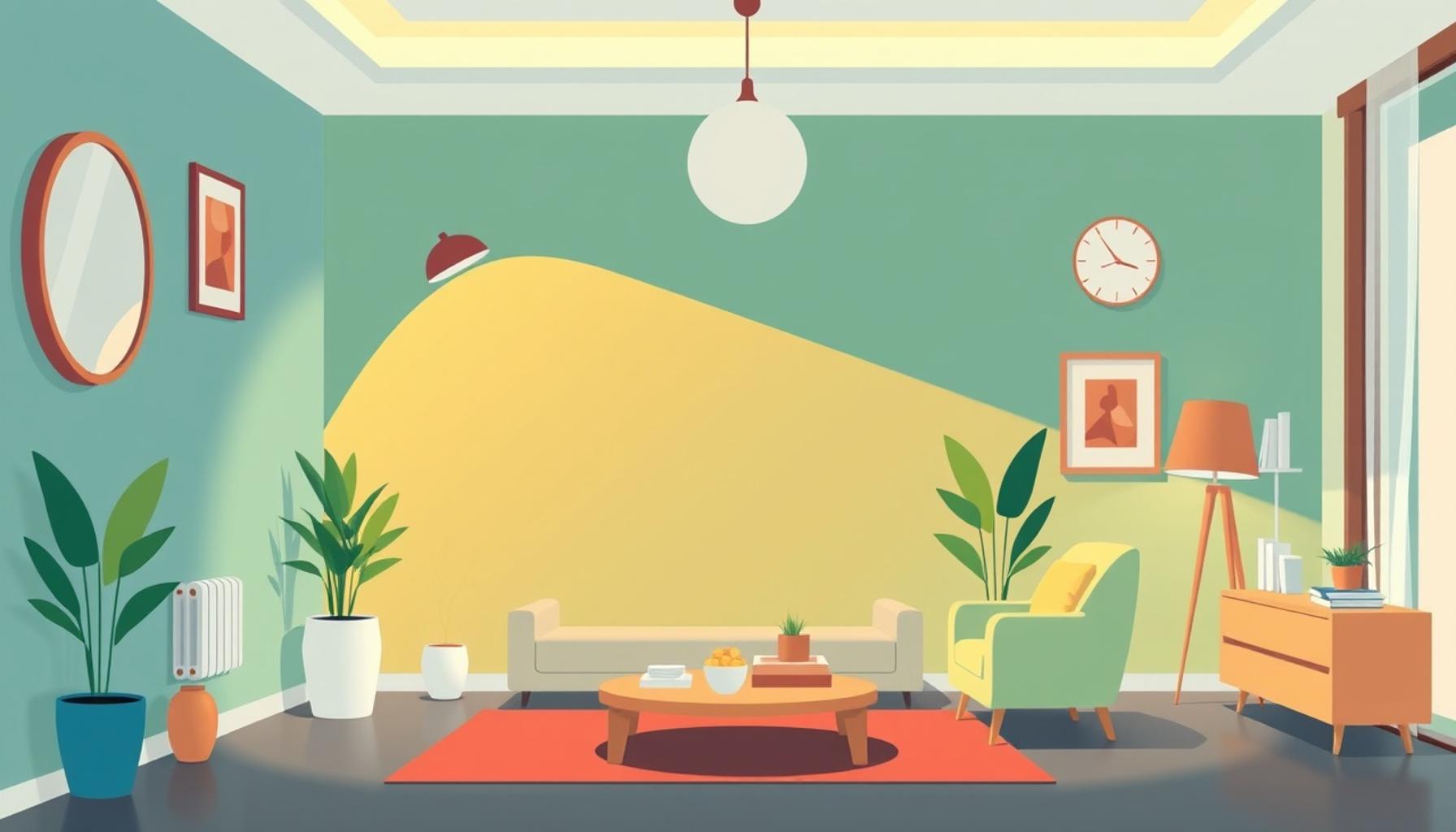
- Aesthetic appeal: A commitment to minimalist design principles promotes an environment that is visually calming. Clean lines, neutral colors, and open spaces help reduce distractions, thereby enhancing focus and relaxation.
Furthermore, the thoughtful design of multifunctional environments leads to sustainability. By reducing the need for excessive furniture and minimizing the consumption of resources, residents not only save money but also contribute to a more environmentally friendly way of living. For example, a kitchen that serves as both a cooking space and an entertainment area eliminates the necessity for a separate dining room, showcasing a smart use of resources.
The advantages of these versatile spaces extend beyond practicality. They foster well-being by providing an organized and serene living environment that supports mental health. The interplay between minimalism and spatial effectiveness is essential for those looking to cultivate harmonious living and working spaces, especially in densely populated areas in the United States.
Ultimately, the journey toward redefining our living and working conditions begins with an understanding that our environments can and should support our dynamic lifestyles. Embracing multifunctionality may just be key to achieving a better balance between the demands of modern life and the comfort of home.
Innovative Concepts in Multifunctional Design
In the realm of multifunctional environments, innovation plays a critical role in redefining how we perceive and utilize space. The demands of modern living necessitate not only an efficient use of square footage but also an emphasis on comfort and style. As urban landscapes expand and housing becomes increasingly compact, it is essential to incorporate the principles of minimalism and spatial efficiency into both residential and commercial design. This approach fosters a functional harmony that meets diverse needs within a limited area.
One of the key aspects of multifunctional design is the use of minimalistic furniture. For instance, items such as modular sofas offer flexibility, enabling easy rearrangement to accommodate various activities—from hosting gatherings with friends to enjoying an intimate family movie night. These adaptable pieces can be paired with stackable chairs or ottomans that double as storage units, effectively utilizing every inch of space without sacrificing aesthetics. Additionally, extendable dining tables have gained traction in many households. These versatile pieces allow for comfortable seating for small dinners, yet can be expanded to host larger gatherings, making them ideal for city dwellers who may entertain less frequently but still want an elegant solution.
Furthermore, technology has significantly influenced the evolution of these versatile spaces. Smart home devices have become staples in many American households, empowering individuals to manage their environments effortlessly. For instance, automated lighting systems can be programmed to adjust according to the time of day or specific activities. This flexibility allows a living area to transition seamlessly from a bright workspace filled with energy during the day to a cozy, subdued nook ideal for unwinding in the evening. Such innovation embodies a modern approach to spatial efficiency, enabling users to control their surroundings with a mere tap or voice command, enhancing both functionality and convenience.
- Flexible layouts: The open-concept floor plan remains a popular choice among designers and homeowners alike, allowing for greater versatility. Creating distinct areas for living, dining, and working within a single space facilitates easy transitions in daily routines, supporting a dynamic lifestyle.
- Incorporation of natural elements: Biophilic design, which connects occupants with nature, has gained significant traction. Living walls, expansive windows, and the use of natural materials enhance both the aesthetic appeal and mental well-being of individuals by blurring the lines between indoor and outdoor spaces.
- Color and lighting: Thoughtfully selecting a neutral color palette establishes a calming environment that can be paired with vibrant accessories. Strategic lighting design can completely transform a space, setting the tone from bright and energizing for productivity to soft and warm for relaxation.
The convergence of form and function in multifunctional environments fosters a lifestyle that is adaptable to an individual’s evolving needs. As urban architects and designers continue to embrace these principles, they are paving the way for innovative solutions that address the constraints posed by urban living while simultaneously enhancing the quality of life. The future of design lies in our ability to craft spaces that are as dynamic as the diverse lives we lead, promoting not just functionality but also emotional and physical well-being. With every new idea brought to life, the potential for a harmonious coexistence between necessity and beauty grows ever clearer.
Creating Versatile Spaces
With the increasing need for adaptable living and working conditions, multifunctional environments are emerging as a solution, combining the principles of minimalism and spatial efficiency. These designs focus not only on aesthetics but also on maximizing utility in every square foot. From urban apartments to open-plan offices, each setting can benefit from a thoughtful layout that serves multiple purposes.
One of the key elements of creating multifunctional spaces is the use of modular furniture. Pieces that can transition from a workspace to a leisure area cater to today’s dynamic lifestyles. For instance, a sofa that converts into a bed provides flexibility for guests without sacrificing style or space. Furthermore, built-in storage solutions can declutter environments, allowing for a clean and organized atmosphere that embodies minimalist principles.
Design Principles
When aiming to optimize a space, incorporating natural light is vital, as it not only enhances aesthetic appeal but also fosters a connection to the outdoors, promoting well-being. Utilizing transparent materials like glass partitions can further open up rooms, creating an illusion of a larger area while still maintaining defined boundaries for different functionalities.
Moreover, color schemes play a crucial role in these environments. Lighter palettes can make spaces feel airier and more expansive, while strategic accent colors can delineate different zones within multifunctional areas. The blend of utility, beauty, and sustainability forms the foundation of modern design, proving that a minimalist approach does not compromise livability.
| Advantages | Key Features |
|---|---|
| Space Optimization | Efficient use of space through adaptable designs. |
| Enhanced Functionality | Components that fulfill multiple roles, saving resources and costs. |
The concept of multifunctional environments taps into the demand for sustainable living and working spaces, encouraging users to embrace minimalism not just as a design trend but as a lifestyle choice. As we advocate for sustainability, understanding how to merge comfort with practicality remains essential in every aspect of modern design.
Designing for Adaptability and Comfort
As we delve deeper into the notion of multifunctional environments, the emphasis on adaptability extends beyond individual furniture pieces to encompass overall space planning and utilization strategies. More than just concentrating on aesthetics, today’s designers are rethinking how spaces can serve multiple purposes seamlessly. This transformation prioritizes not only functionality but also comfort, crucial for individuals spending increased time at home in a post-pandemic world.
A standout example of this trend is the rise of multifunctional rooms. Transformative spaces designed specifically to shift among various uses, like a home office by day and a guest bedroom by night, reflect the evolving necessities of modern life. Sliding partitions, wall beds (Murphy beds), and retractable workstations can redefine areas with minimal effort, aligning perfectly with the principles of spatial efficiency. Such designs offer the freedom to transform a living environment to meet the dynamic needs of family life, work-from-home arrangements, or entertaining guests.
Moreover, sustainability is a burgeoning trend that intersects with multifunctional design. More consumers today are aware of their ecological footprints and are actively seeking solutions that create notable advancements in environmental responsibility. Incorporating upcycled materials, energy-efficient appliances, and sustainably sourced décor contributes to designing spaces that exhibit both ecological mindfulness and minimalist aesthetics. For instance, using reclaimed wood for furniture or cabinetry not only enhances the visual appeal but also reduces waste and supports eco-friendly practices.
- Smart storage solutions: In the quest for spatial efficiency, innovative storage solutions are critical. Custom-built shelves and multi-use benches that offer hidden compartments can significantly decrease clutter, which is a cornerstone of a minimalistic lifestyle. Vertical storage options, like wall-mounted racks or pegboards, further capitalize on available space while enhancing the room’s aesthetic.
- Outdoor integration: Another noteworthy trend is the seamless merging of indoor and outdoor spaces. Patios, balconies, or landscaped rooftops are becoming extensions of the main living area, allowing residents to enjoy nature without compromising their limited square footage. Utilizing outdoor furniture that can weather the elements further strengthens this connection, offering a perfect blend of leisure and functionality.
- Aesthetic continuity: Offering a cohesive visual language throughout a multifaceted space enhances user comfort. By repeating colors, materials, and textures, designers create an inviting atmosphere and remove any feelings of disjointedness. For instance, utilizing similar hues in textiles and wall colors can help unify distinct areas while maintaining individual functions.
The ongoing exploration of multifunctional environments exemplifies how thoughtful design can revolutionize the way we engage with our surroundings. With considerations for flexibility, comfort, sustainability, and beauty, modern spaces are not merely places to reside but are transformed into dynamic ecosystems that cater to the evolving rhythms of everyday life. As the boundaries between living, working, and socializing continue to blur, this concept of adaptable design opens exciting possibilities for enhancing quality of living, especially in densely populated urban areas across the United States.
Embracing the Future of Living Spaces
In conclusion, the concept of multifunctional environments represents a significant evolution in how we design and inhabit our spaces. By integrating principles of minimalism and spatial efficiency, we can create versatile areas that adapt to the myriad demands of modern living. This forward-thinking approach not only caters to the practicalities of daily life but also fosters emotional well-being by emphasizing comfort, sustainability, and aesthetic appeal.
The innovative designs, including multifunctional rooms and smart storage solutions, allow individuals to maximize their living space while minimizing clutter, thus promoting a sense of tranquility in the home. With the integration of indoor-outdoor living and aesthetic continuity, we are reminded that our living environments can serve as harmonious extensions of ourselves, rather than merely functional areas.
As urbanization continues to rise and living spaces become increasingly compact, the need for adaptable design becomes more crucial. By embracing multifunctional environments, we can transform our homes into dynamic ecosystems that not only reflect but also enhance our lifestyles. This shift in design philosophy encourages a more conscious interaction with our surroundings, urging us to explore and discover the endless possibilities of our living spaces. It is clear that the future of design lies not in the use of excess space but in maximizing the potential of every square foot, paving the way for a more sustainable and fulfilling lifestyle.

Beatriz Johnson is a seasoned minimalist and writer with a passion for simplifying the complexities of personal organization and intentional living. With over a decade of experience in decluttering strategies and mindful consumption, she specializes in topics like space optimization, habit simplification, and sustainable lifestyle choices. Through her work on our website, Beatriz empowers readers to embrace minimalism, reduce mental and physical clutter, and create more meaningful, organized lives in today’s fast-paced world.

Beatriz
Beatriz Johnson is a seasoned minimalist and writer with a passion for simplifying the complexities of personal organization and intentional living. With over a decade of experience in decluttering strategies and mindful consumption, she specializes in topics like space optimization, habit simplification, and sustainable lifestyle choices. Through her work on our website, Beatriz empowers readers to embrace minimalism, reduce mental and physical clutter, and create more meaningful, organized lives in today's fast-paced world.