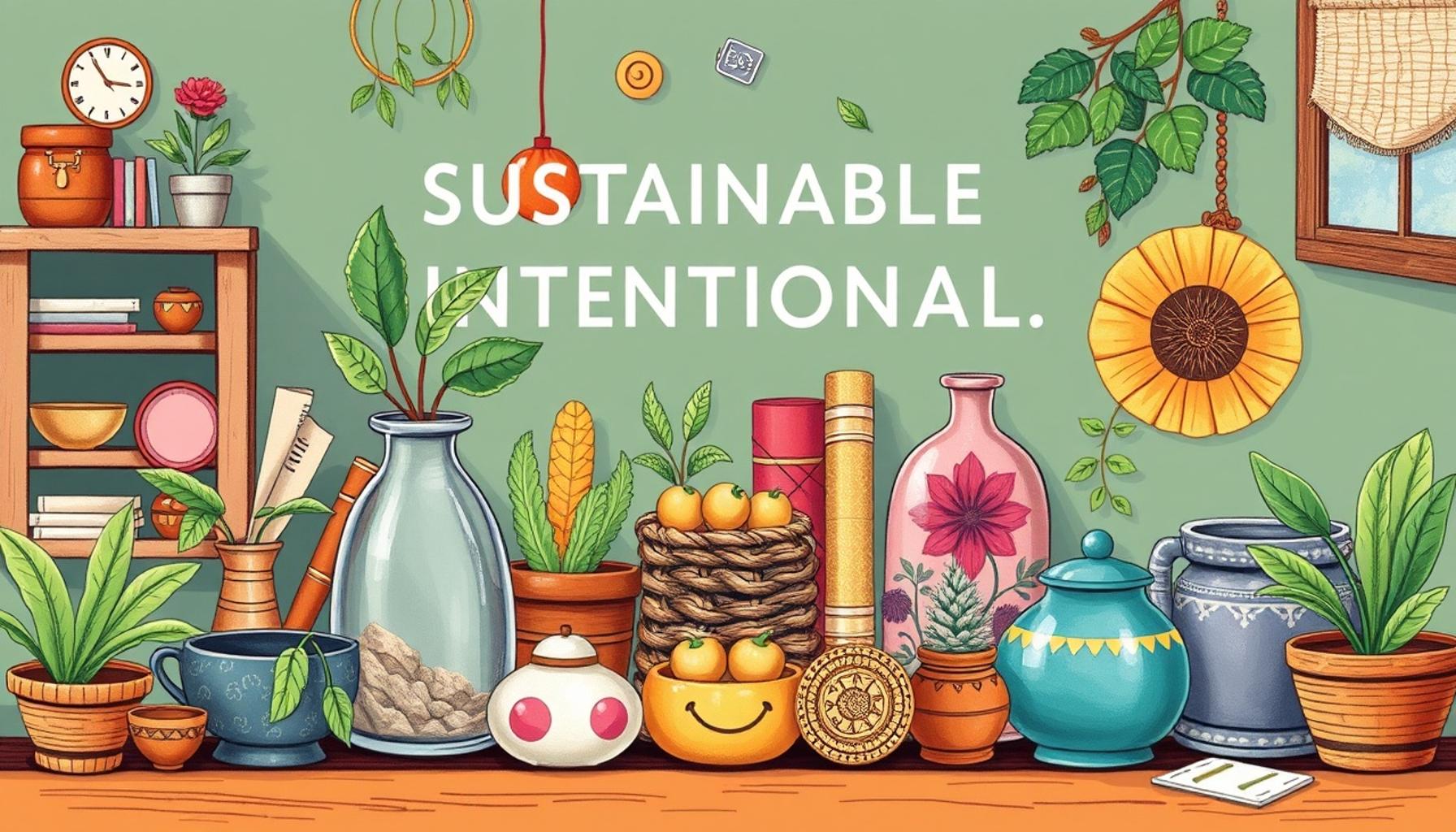
Mindful Consumption: Aligning Intentional Living with Minimalist Principles

Understanding Mindful Consumption
In our contemporary society, where convenience and speed are monumental, consumption can often feel like an automated process, dictated by advertising and constant societal pressures. With stores full of enticing products and advertisements vying for our attention, it is easy to make hurried decisions that may not reflect our true values. However, mindful consumption encourages us to take a step back, pause, and reflect critically on our purchasing choices. This approach nurtures a more profound relationship between our values and the items we choose to bring into our lives, shifting the focus from mindless acquisition to intentional selection.
Why Practice Mindful Consumption?
Engaging in mindful consumption yields several transformative benefits that can enhance our well-being and the health of our planet. One key advantage is:
- Reduced Stress: In a world overflowing with choices, the pressure to make the “right” decision can be overwhelming. By emphasizing quality over quantity, mindful consumption can simplify our decision-making processes, leading to less anxiety about our spending habits.
- Environmental Impact: When we choose products consciously, we often select those with sustainable and ethical production practices. This intentionality can substantially reduce our ecological footprint, helping combat climate change and conserve natural resources.
- Financial Savings: Rather than indulging in a plethora of inexpensive items that quickly wear out or go out of style, investing in fewer but higher-quality goods can often be more economical over time. For instance, buying a well-crafted winter coat might seem expensive upfront, but its durability can lead to substantial savings by eliminating the need for replacements year after year.
How Minimalism Aligns with Intentional Living
Complementing the principles of mindful consumption, minimalism advocates for the pursuit of simplicity. This lifestyle encourages individuals to assess what they own and prioritize their belongings, teaching us to focus on:
- Essential Needs: Identifying what truly enhances our lives allows us to make space for what matters most, reducing clutter both physically and mentally.
- Quality Experiences: In a world saturated with material goods, minimalism highlights the joy of valuing memories and experiences over possessions. This shift not only enriches our lives but can also foster deeper connections with loved ones.
- Personal Well-being: Creating intentional physical and mental space paves the way for growth and fosters a more peaceful mindset, making it easier to navigate life’s challenges.
As we explore the enriching principles of mindful consumption further, we will uncover practical strategies and insights that can profoundly reshape our relationship with materialism and encourage a more intentional lifestyle. Through the lens of minimalism and mindfulness, we invite you to join us on this enlightening journey to discover how these concepts can harmoniously coexist, empowering you to make choices that truly resonate with your values and aspirations.
The Principles of Mindful Consumption
At its core, mindful consumption embodies a deliberate approach to our purchasing habits. It invites us to examine our motivations behind buying decisions, moving beyond impulse and societal pressures to embrace a more conscious way of living. This paradigm fosters an awareness that aligns our choices with our core values, ultimately enabling us to engage more authentically with the world around us. But how can we integrate mindful consumption into our daily lives?
Strategies for Practicing Mindful Consumption
Integrating mindful consumption requires actionable strategies that shift our perspective on buying and ownership. Here are some practical tips to help you embrace this intentional living practice:
- Pause Before Purchasing: When considering a new item, take a moment to reflect. Ask yourself if this product truly serves a purpose in your life or if it is merely a fleeting desire. This moment of pause can prevent unnecessary purchases and help you think critically about your needs.
- Create a Value-Based Wish List: Instead of succumbing to impulse buying, curate a wish list based on your values. This could include items that encourage sustainability, support local artisans, or enhance your well-being. Regularly review this list, ensuring it aligns with your evolving priorities.
- Research Before You Buy: Informed decision-making is a cornerstone of mindful consumption. Take time to research products and brands, emphasizing those with transparent practices and eco-friendly materials. Factoring in social responsibility can lend depth to your purchases.
- Embrace Quality Over Quantity: Cultivating a mindset that favors quality can transform your consumption habits. Invest in fewer, high-quality items that provide lasting value instead of a multitude of low-quality products that require frequent replacement.
- Practice Gratitude for What You Have: Regularly acknowledging and appreciating the items you already own can shift your focus away from constantly seeking more. This mindset promotes contentment and a deeper connection to your possessions, reinforcing the notion that less can, indeed, be more.
Each of these strategies contributes to a more meaningful and thoughtful way of engaging with consumption. When practiced intentionally, they can lead to a heightened sense of self-awareness and satisfaction in our lives. As we intertwine these principles with the minimalist philosophy, we lay a foundation for a lifestyle that values simplicity and purpose.
Minimalism’s Role in Mindful Consumption
Minimalism, fundamentally a lifestyle that encourages simplicity and the elimination of excess, aligns beautifully with the principles of mindful consumption. By recognizing what we truly need and eliminating the noise of superfluous possessions, we create room for greater joy and fulfillment. This relationship highlights the idea that abundance can exist not only in things but also in experiences and connections. In the following sections, we will delve into how minimalism can further reinforce our journey towards mindful consumption, nurturing a life that reflects our authentic selves.
The practice of mindful consumption encourages individuals to reflect not just on what they buy, but why they buy it. This alignment with intentional living guides consumers toward decisions that enhance their well-being and minimize unnecessary clutter. By adopting a minimalist approach, people can prioritize experiences over possessions, leading to a more fulfilling and less distracting life. Minimalism is not merely about reduction; it embodies a lifestyle that embraces simplicity, sustainability, and conscious choices.
Moreover, engaging in mindful consumption helps cultivate gratitude and appreciation for what we already possess. This perspective can lead to a decrease in the stress associated with consumerism and the pressures of maintaining a lifestyle steeped in materialism. The minimalist principles promote recycling, upcycling, and sustainable practices that not only benefit individual consumers but also the planet.
Understanding the difference between wants and needs can foster deeper connections with ourselves and our environment. As people shift their focus away from quantity and toward quality, they often discover a host of potential benefits, including reduced spending, lower environmental impact, and enhanced mental clarity.
The journey toward mindful consumption is indeed transformative, prompting individuals to uncover new values and prioritize personal growth. By aligning consumption habits with personal values, individuals can achieve a life overflowing with purpose, authenticity, and clarity, paving the way for a sustainable future.
| Category 1 | Category 2 |
|---|---|
| Sustainability | Mindful consumption reduces waste and promotes eco-friendly choices. |
| Clarity | A minimalist lifestyle leads to enhanced mental clarity by reducing distractions. |
As more individuals explore the notion of mindful consumption, they discover empowering opportunities to create a lifestyle that reflects their true values and aspirations.
Building a Mindful Consumption Framework
As we navigate the complexities of modern consumer culture, establishing a mindful consumption framework can empower us to adopt intentional living aligned with minimalist principles. This framework not only enhances our purchasing experiences but also reshapes our overall relationship with material goods. To build this framework, we can implement several additional layers of awareness and practice:
Reflect on Your Lifestyle Needs
A pivotal aspect of mindful consumption is to regularly evaluate our lifestyle needs. This involves a thorough assessment of our living environment, time commitments, and personal values. Ask yourself, “What aspects of my life bring genuine joy?” and “What items serve a functional purpose?” Distilling this information helps isolate non-essential possessions, marking the starting point for embracing minimalism. Moreover, by regularly reassessing our necessities, we cultivate a practice of intentionality that reduces impulse-driven behaviors.
Experiment with a Capsule Wardrobe
One practical application of minimalism within mindful consumption is the concept of a capsule wardrobe. This idea revolves around curating a small selection of versatile clothing items that can be mixed and matched effectively. By limiting choices, we enhance creativity in personal style while reducing overwhelming options. A study conducted by The University of California has shown that simplifying wardrobe choices can significantly decrease decision fatigue, leading to improved mental well-being. By adopting a capsule wardrobe, you can practice mindful consumption in fashion while minimizing clutter, striking a balance between aesthetics and functionality.
Prioritize Experiences Over Material Goods
Shifting the focus from material possessions to experiences can profoundly impact our understanding of mindful consumption. According to research published in the journal “Psychological Science,” experiences yield greater long-term happiness than accumulating physical items. Consider investing in activities such as cooking classes, travel, or workshops that promote personal growth rather than material goods. Such experiences not only create cherished memories but also foster a deeper connection with others, enriching our lives far beyond the transient satisfaction of shopping.
Emphasize Sustainable Choices
Mindful consumption inherently intertwines with sustainability. Opting for products that are environmentally friendly not only benefits individual well-being but also contributes positively to the planet. Explore brands that practice ethical manufacturing, utilize sustainable materials, and prioritize fair labor practices. Consider shopping from local artisans or participating in community-supported agriculture (CSA). This approach ensures that your consumption aligns with both ethical standards and personal values, fostering a sense of community connection.
Limit Exposure to Consumerism
In an era of constant advertising and social media influence, limiting our exposure to consumerist messages is key to maintaining mindful consumption habits. Techniques such as unsubscribing from promotional emails, reducing time on social media platforms, or curating a more intentional online feed can significantly lessen the allure of impulsive purchasing. By consciously curating our environment, we reinforce a mindset that values quality over quantity and conscious choices over necessity, bridging the gap between intentional living and minimalist principles.
In summation, the journey towards mindful consumption is not merely a series of actions but a holistic approach to living authentically. By exploring lifestyle needs, prioritizing experiences, and embracing sustainability, we can forge a connection that sustains our personal growth while nurturing a more intentional life. Each conscious choice woven into our consumption practices counts toward a future where mindful living and minimalism coexist harmoniously.
Conclusion: Embracing Mindful Consumption
As we conclude our exploration into mindful consumption and its alignment with intentional living and minimalist principles, it becomes clear that this approach is not merely a trend, but a profound shift in how we engage with the world around us. Adopting a mindful consumption mindset encourages us to critically evaluate our purchasing decisions, focusing on quality over quantity and meaning over materialism.
By committing to practices such as reflecting on our lifestyle needs, investing in experiences instead of possessions, and promoting sustainable choices, we can foster a deeper connection with ourselves and our environment. This shift not only enhances personal well-being but also contributes to a more sustainable future, as our choices begin to ripple out into the community and beyond. The benefits of prioritizing experiences and sustainable practices far outweigh the fleeting joy that often accompanies material purchases.
In an age heavily influenced by incessant marketing and consumer culture, taking the initiative to reduce exposure to these enticing pressures is crucial. Curating our physical and digital spaces aids in establishing a life centered around mindful consumption, reinforcing a commitment to authenticity and intentionality.
Ultimately, the journey toward mindful consumption is a pathway to transforming not only our lives but also the world we inhabit. By embedding these principles into our daily lives, we create a sustainable relationship with material goods that honors our values and goals, paving the way for a simpler, yet richer, existence. As we strive to live more intentionally, let us remember that each mindful choice reinforces the delicate balance between living fully and consuming wisely.

Beatriz Johnson is a seasoned minimalist and writer with a passion for simplifying the complexities of personal organization and intentional living. With over a decade of experience in decluttering strategies and mindful consumption, she specializes in topics like space optimization, habit simplification, and sustainable lifestyle choices. Through her work on our website, Beatriz empowers readers to embrace minimalism, reduce mental and physical clutter, and create more meaningful, organized lives in today’s fast-paced world.

Beatriz
Beatriz Johnson is a seasoned minimalist and writer with a passion for simplifying the complexities of personal organization and intentional living. With over a decade of experience in decluttering strategies and mindful consumption, she specializes in topics like space optimization, habit simplification, and sustainable lifestyle choices. Through her work on our website, Beatriz empowers readers to embrace minimalism, reduce mental and physical clutter, and create more meaningful, organized lives in today's fast-paced world.