Redefining Personal Spaces: The Importance of Mobility and Flexibility in Minimalist Environments
The Shift in Our Personal Spaces
In today’s fast-paced world, the concept of personal spaces is undergoing a profound transformation. As we embrace minimalism, our environments must not only reflect aesthetic simplicity but also cater to our dynamic lifestyles. This change is particularly evident in urban areas like New York City and San Francisco, where high rents and compact living spaces are leading residents to rethink how they arrange their homes.
Mobility and flexibility are now at the forefront of design philosophy. The modern home is not just a static setting; it is a versatile space that adapts to our evolving needs, offering a sanctuary from our busy lives. Here are some vital elements that underscore their significance:
- Adaptable Furniture: Multi-functional pieces, such as sofa beds, extendable dining tables, and storage ottomans, can maximize space. For instance, a coffee table that transforms into a work desk allows a room to shift from a casual living area to an efficient workspace without the clutter of extra furniture.
- Modular Designs: Configurable layouts are especially popular in smaller apartments, allowing for quicker reorganization to accommodate various activities. For example, modular shelving units can be rearranged to serve as room dividers, studios for art, or even mini libraries, thus fulfilling multiple functions in a singular space.
- Smart Technology: The integration of smart technology plays a critical role in managing space more efficiently. Smart lighting systems can change ambiance with a tap on an app, while automated window shades enhance privacy with ease. These innovations contribute to creating seamless transitions between functions, making living spaces more user-centered.
Such innovations serve not only to minimize clutter but also to enhance our overall quality of life. Living in minimalist environments grants us the freedom to reshape our surroundings according to our needs, promoting a sense of autonomy. For instance, individuals can set up a home gym one day and convert it into a reading nook the next, showcasing the fluidity of modern living.
As urban areas continue to develop and living spaces shrink, understanding the importance of these principles becomes crucial. Embracing mobility and flexibility in design might just hold the key to achieving a harmonious balance between simplicity and functionality. With the trend towards co-living spaces and tiny homes gaining traction, it is essential to recognize how these elements influence design choices. Innovative solutions not only make the most out of limited square footage but also reflect a broader cultural shift toward sustainable living and conscious consumerism.
As we navigate this modern landscape, the challenge lies in making informed decisions about our spaces. By prioritizing adaptability in our designs, we can craft environments that resonate with our lifestyle choices while remaining efficient and elegant.
Reimagining the Essential Elements of Living
As we delve deeper into the world of minimalism, it becomes clear that mobility and flexibility are not just desirable traits but essential features for modern living. The emphasis on these qualities in minimalist environments reflects our changing attitudes towards personal space. No longer are we relegated to stationary furniture and fixed layouts; instead, our homes are becoming dynamic landscapes, molded by our daily activities and personal preferences.
One vital consideration for achieving mobility in our living spaces is the concept of storage solutions. With the rise in popularity of tiny homes and small apartments—often averaging around 300 to 600 square feet—efficient storage options are pivotal. Under-bed drawers, wall-mounted shelves, and collapsible storage bins enable homeowners to keep their belongings organized without cluttering the living area. This not only enhances the aesthetic of minimalistic design but also allows for a clearer mind, freeing up cognitive resources for creativity and productivity.
Embracing Versatile Living Areas
Another significant aspect of flexible living is the creation of versatile areas within our homes. The notion of a multifunctional space resonates particularly in less spacious environments. For example, a spare bedroom can double as a home office or even a gym with the right furniture choices. Convertible sofas and wall beds are increasingly popular as individuals seek to make the most of every square foot. With furniture that can be easily adjusted or repurposed, residents can seamlessly transition from relaxation to productivity without sacrificing style.
Moreover, the role of natural light and open design cannot be understated in crafting these adaptable spaces. Homes that incorporate large windows, double-duty curtains, and open floor plans can feel larger than they are, inviting a sense of airiness and calm. These features play a significant part in not only visually expanding a space but also in enhancing the overall mood of the inhabitants. Studies have shown that well-lit environments contribute positively to mental well-being, an important factor as we navigate the challenges of modern life.
The sustainability movement is further intertwined with the principles of mobility and flexibility. As more individuals gravitate towards environmentally conscious living, the minimalist lifestyle naturally aligns with reducing one’s carbon footprint. The integration of sustainable materials and energy-efficient appliances is becoming standard in modern designs. Not only does this practice support eco-friendly ideals, but it also encourages the continued evolution of personal spaces that are as functional as they are responsible.
As we reassess the way our homes can support our fluctuating lifestyles, it becomes apparent that redefining personal spaces is not merely a design trend but a necessary evolution in how we think about living. With an emphasis on mobility, flexibility, and sustainability, our homes can evolve with us, offering both sanctuary and functionality in an ever-changing world.
| Advantage | Description |
|---|---|
| Enhanced Flexibility | Mobility allows individuals to adapt their living environment quickly, creating a seamless transition between work, relaxation, and social spaces. |
| Increased Space Efficiency | Minimizing clutter enables greater mobility and efficiency, allowing for multifunctional areas that cater to various needs in one adaptive environment. |
In minimalist environments, where every object serves a purpose, mobility and flexibility are not just conveniences; they are essential to redefining personal spaces. As living areas become more confined, the efficient use of space has transformed from a luxury to a necessity. With the rise of remote work and the increasing trend toward smaller living quarters, having a flexible setup allows individuals to create designated zones for work, leisure, and creativity without the overwhelming presence of excess furniture or clutter.Furthermore, there’s a profound impact on mental well-being. The ability to swiftly change an environment—perhaps shifting from a focused workspace to a tranquil relaxation corner—supports a flow that can enhance productivity and peace of mind. Adapting one’s space to fit a moment’s need can lead to greater satisfaction and a sense of control over one’s surroundings. These evolving emotional ties to spaces prompt a deeper exploration of how mobility and flexibility shape our interactions with the environment and ourselves. By embracing these principles, individuals can turn their homes into dynamic, responsive spaces that reflect their unique lifestyles and values, heightened by the very act of mobility. Thus, the appeal lies not just in aesthetics but in the practicality of creating an environment that fosters growth, creativity, and contentment.
Innovating with Smart Technology
In the pursuit of a more adaptable living environment, smart technology is emerging as a significant ally. The integration of smart home devices allows individuals to manage their spaces with unprecedented efficiency. For instance, automated lighting systems can adjust according to the time of day or the activities taking place within a room. This capability not only enhances comfort but also contributes to energy savings—a crucial consideration in minimalist living.
Furthermore, smart thermostats optimize heating and cooling based on occupancy and personal preferences, ensuring that resources are utilized effectively without unnecessary waste. With the ability to control these systems from a smartphone, homeowners gain an additional layer of flexibility, turning their residences into responsive environments that cater to their evolving needs.
Classifying Movable Features
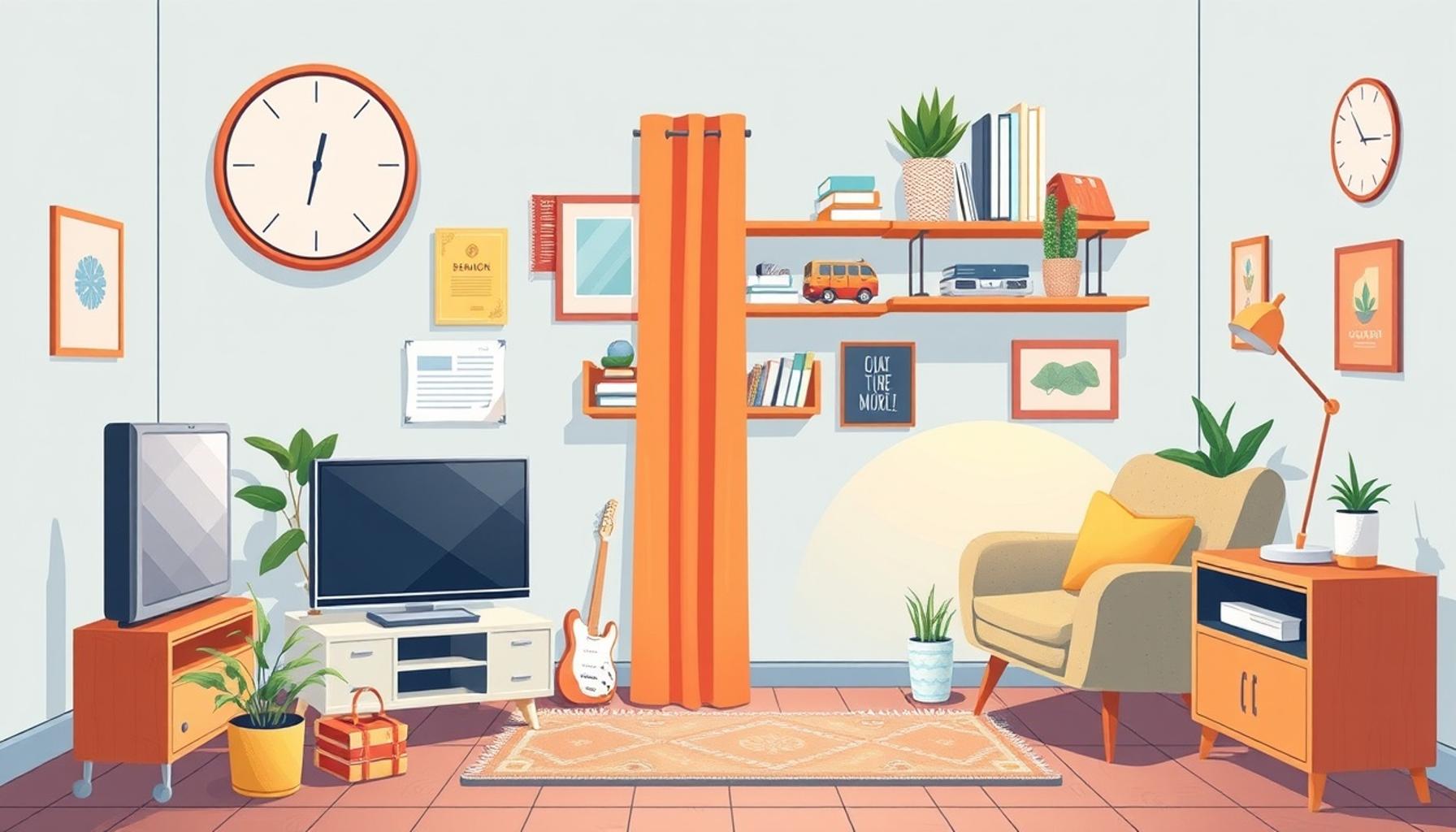
Alongside technology, the use of movable features within the home can significantly enhance both mobility and flexibility. Features like sliding walls or mobile partitions allow individuals to dictate the size and function of a room at will. Whether hosting a gathering or enjoying a quiet evening, the ability to adjust the layout not only supports a personalized experience but also reinforces the concept of a multifunctional space.
- Sliding doors: These can expand or contract spaces, creating intimacy when needed or openness for social interactions.
- Wheeled furniture: Chairs and tables with wheels facilitate easy reconfiguration for various activities, from meditation sessions to dinner parties.
- Portable storage: Carts or bins on wheels offer a practical solution for both storing items and mobilizing them as required.
Moreover, the evolving landscape of urban living encourages the use of adaptable furniture that meets both practical and aesthetic needs. Brands like Resource Furniture and Hästens are pioneering the way with designs that amplify utility without compromising on style. Their offerings range from elegant murphy beds to expandable dining tables, proving that functionality and aesthetics can coexist beautifully.
Community-Oriented Minimalism
An often-overlooked aspect of flexibility in personal spaces is their integration with community living. Co-living arrangements and shared spaces are rising in popularity as millennials and Gen Z prioritize experiences over ownership. This shift allows individuals to embrace a minimalist lifestyle while fostering community bonds. Shared kitchens, lounges, and workspaces create an atmosphere where social interaction flourishes, all while maintaining individual privacy and mobility within personal quarters.
The trend towards co-living not only supports a minimalist ethos but also helps reduce overall consumption. When resources such as furniture, appliances, and even Wi-Fi are shared, the demand for individual ownership diminishes. This aligns with the sustainability movement that many minimalists embrace, promoting a lifestyle centered around communal resources that reduces waste and fosters connections.
As we redefine personal spaces, it becomes evident that the interplay of mobility, flexibility, and technology is reshaping how we live, work, and interact in our environments. From innovative smart technology to dynamic community living, each facet contributes to creating personal sanctuaries that are not just places to inhabit, but reflections of our desires for versatile, purposeful living.
Conclusion
In a world where both urban living and environmental consciousness are in constant evolution, redefining personal spaces through mobility and flexibility is becoming essential. The minimalist approach not only allows for a decluttered environment but also emphasizes the importance of adaptable designs that cater to individual needs. By embracing smart technology, homeowners can transform their living spaces into dynamic environments that respond to daily activities and schedules, enhancing both comfort and efficiency.
The use of movable features and adaptable furniture provides an unprecedented level of reconfigurability, encouraging a lifestyle that prioritizes experiences over possessions. This flexibility reflects not only personal preferences but also a growing trend towards community-oriented living, where shared spaces foster connections while maintaining the necessary privacy and mobility. As communities continue to adopt co-living arrangements, the minimalist ethos becomes intertwined with sustainability, leading to a lifestyle that diminishes the need for excessive consumption and amplifies resource sharing.
In summary, the interplay between mobility, flexibility, and technology is revolutionizing personal spaces, allowing individuals to craft environments that are not only functional but also deeply personal. As we navigate this new era, it is crucial to explore how these elements can work together to shape our living spaces into harmonious sanctuaries that reflect our lifestyles, values, and aspirations. By embracing this paradigm, individuals can create homes that truly resonate with the needs of modern life while fostering a sense of community and purpose.

Beatriz Johnson is a seasoned minimalist and writer with a passion for simplifying the complexities of personal organization and intentional living. With over a decade of experience in decluttering strategies and mindful consumption, she specializes in topics like space optimization, habit simplification, and sustainable lifestyle choices. Through her work on our website, Beatriz empowers readers to embrace minimalism, reduce mental and physical clutter, and create more meaningful, organized lives in today’s fast-paced world.

Beatriz
Beatriz Johnson is a seasoned minimalist and writer with a passion for simplifying the complexities of personal organization and intentional living. With over a decade of experience in decluttering strategies and mindful consumption, she specializes in topics like space optimization, habit simplification, and sustainable lifestyle choices. Through her work on our website, Beatriz empowers readers to embrace minimalism, reduce mental and physical clutter, and create more meaningful, organized lives in today's fast-paced world.