Redefining Relationships: How Decluttering Can Strengthen Personal Bonds

The Transformative Power of Decluttering
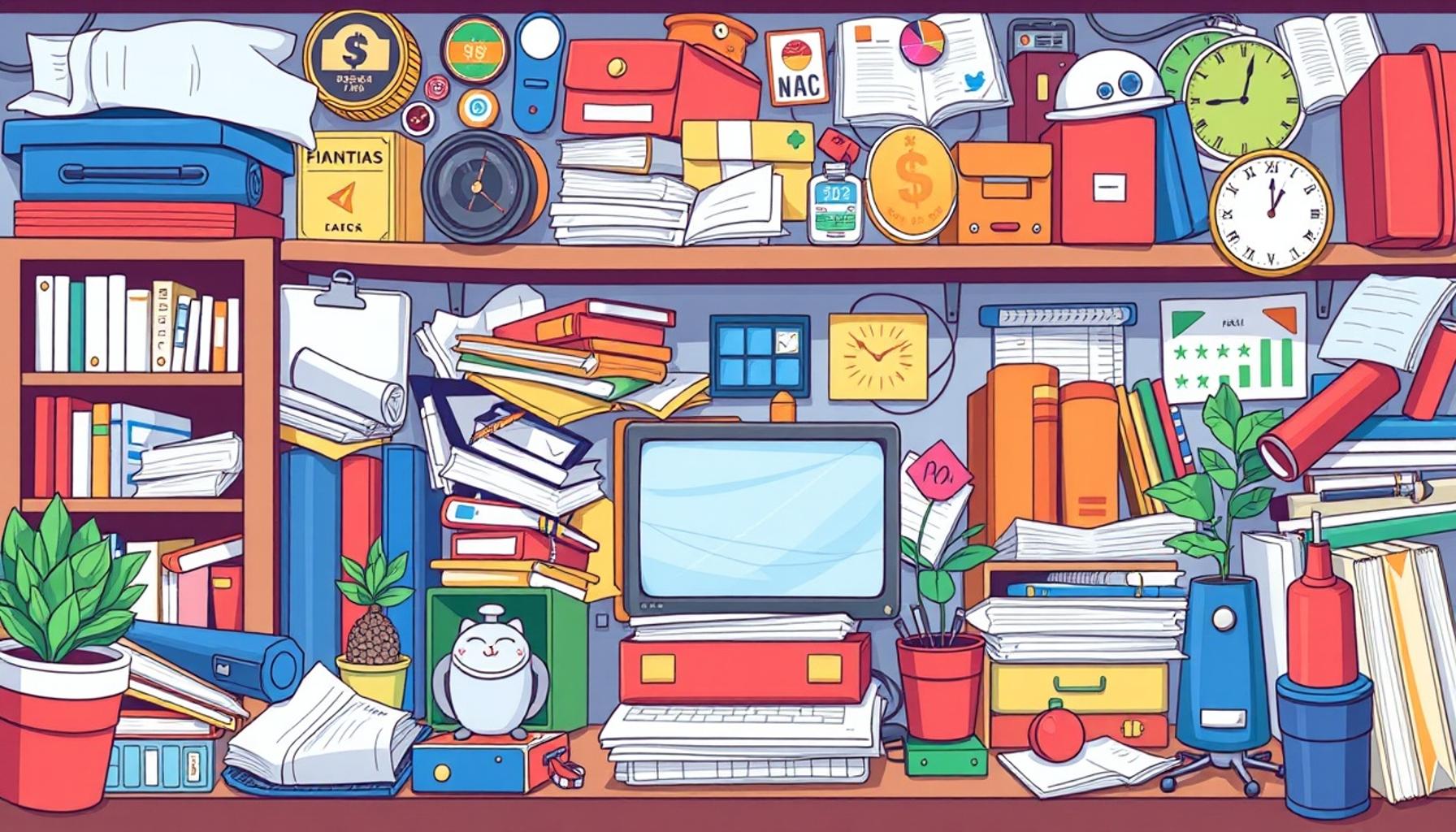
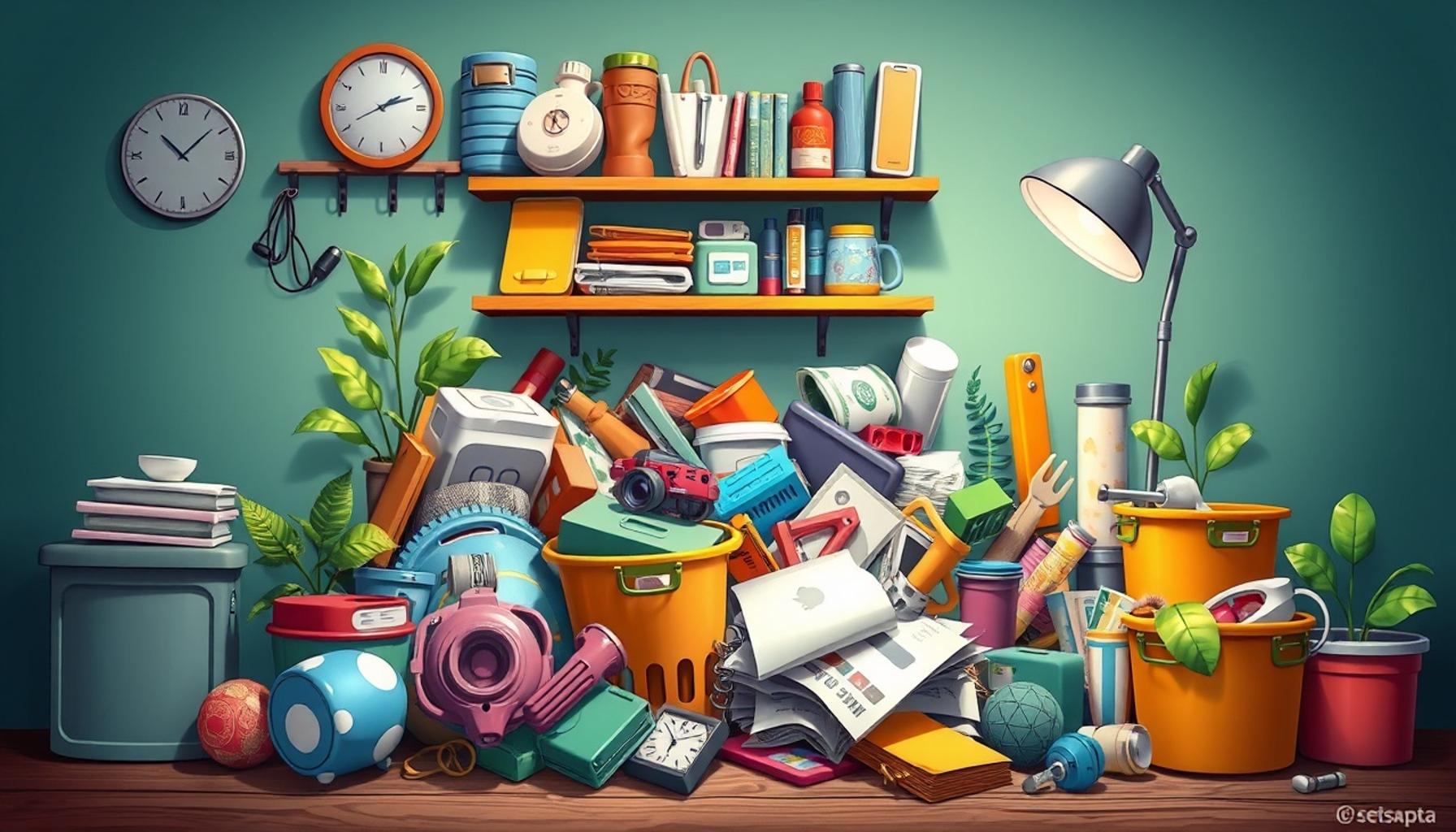
The modern life we navigate is often filled with clutter, not just physical but emotional and mental as well. This overwhelming accumulation impacts our relationships, straining connections that could otherwise flourish. By embracing the practice of decluttering, we can enhance our personal bonds and redefine how we relate to one another.
Consider how decluttering can foster deeper relationships through:
- Physical Space: Creating a welcoming environment encourages connection. A home that is free of excess items allows for easier conversations and a sense of tranquility. For example, inviting friends over to a tidier, well-organized space can lead to more meaningful interactions, where everyone feels comfortable and relaxed. The physical ambiance can significantly influence the quality of social exchanges.
- Emotional Clarity: Letting go of unnecessary baggage helps improve communication. When we actively declutter our emotional landscapes, whether by resolving past conflicts or letting go of grudges, we open avenues for more honest dialogues. Clarity can often emerge from simplicity; it becomes easier to express feelings and concerns when we aren’t preoccupied with unresolved issues or physical distractions.
- Quality Time: Focusing on meaningful experiences instead of material possessions promotes intimacy. When individuals prioritize experiences, such as family game nights or shared outdoor adventures, over accumulating more stuff, their relationships thrive. In fact, research has shown that experiences lead to longer-lasting happiness compared to owning things, allowing connections to deepen through the creation of shared memories.
Each of these elements plays a vital role in transforming our personal interactions. Studies suggest that a clear space can lead to a clear mind, ultimately reflecting on how we engage with family and friends. Imagine the potential of your relationships once space is made for authenticity and genuine connection. When excess clutter is removed, individuals often find it easier to focus on the present moment, thereby enhancing their interactions.
In exploring the art of decluttering, we uncover pathways to deeper emotional ties. This journey isn’t just about removing items; it’s about uncovering the essence of what truly matters. For instance, consider a family that decides to clear out old toys and clothes. In the process, they might rediscover shared interests and sentimental items that spark joy and nostalgia, creating opportunities for rich conversations and bonding experiences.
Prepare to delve into how this transformative practice can not only change your surroundings but also strengthen your personal bonds. By embracing decluttering as not just a physical act, but a powerful tool for enhancing relationships, you can unlock the potential for deeper connections in your life. The journey may be challenging, but the rewards in the form of profound relationships and emotional well-being are absolutely worth it.
Embracing Minimalism: The Link Between Space and Connection
The art of decluttering transcends mere tidying up; it’s a transformative practice that can redefine how we connect with others. From clearing physical spaces to honing emotional clarity, minimalism sets the stage for stronger personal bonds. A critical factor in this process is recognizing how clutter—both visible and invisible—impacts our interactions.
When we consider decluttering as a pathway to emotional resilience, it becomes evident that creating a harmonious environment can lead to more profound relationships. One of the most tangible benefits lies in the physical space we inhabit. A cluttered home often mirrors a chaotic mind, making it challenging to engage fully with those around us. When spaces are neat and purposeful, they foster an atmosphere where connections can deepen. This inviting backdrop encourages guests to linger, share stories, and experience moments that strengthen friendships and family ties.
Furthermore, the act of decluttering can be a bonding experience in itself. Imagine a household where family members come together to sort through outdated items. This collaborative effort can lead to:
- Shared Memories: As items are sifted through—like old photographs or souvenirs from family trips—stories are shared, reigniting connections and fostering nostalgia.
- Teamwork: The very process of working together towards a common goal can enhance communication and unity within the family.
- Appreciation: The experience of decluttering allows individuals to recognize the value of what they possess, leading to greater appreciation for both material and emotional treasures.
The emotional clarity achieved through decluttering cannot be overstated. As we sort through our belongings, we often discover hidden feelings tied to certain items—be it joy, regret, or nostalgia. Acknowledging these feelings allows us to articulate them to our loved ones, paving the way for honest conversations. Clear communication emerges when we unload the emotional baggage that clutter symbolizes, fostering an environment where relationships can flourish.
Consider the personal testimonies of many who have embraced minimalism. They speak of significant shifts in their relationships post-declutter, noting that removing the excess created the room needed for more meaningful interactions. The act of letting go can be cathartic, enabling individuals to focus on nurturing relationships rather than maintaining material possessions. By prioritizing our bonds, we make intentional decisions about who and what deserves space in our lives.
As we embark on this journey of transformation, we discover that decluttering is not simply about the physical act of letting go; it is about embracing a lifestyle that values connection and emotional intimacy. The more we engage in this practice, the more we redefine our relationships, leading to a more fulfilling life filled with joy, understanding, and deeper connections.
As we delve deeper into the impact of decluttering on personal relationships, it’s essential to understand the psychological and emotional benefits that come along with simplifying our environments. One significant aspect is the way decluttering fosters communication. When physical spaces are less chaotic, individuals often experience clearer mental states, leading to more constructive conversations and better connections with family and friends. This clarity can help individuals express their emotions more effectively, reducing misunderstandings that often arise in cluttered situations.
Furthermore, decluttering acts as a catalyst for shared experiences. By removing unnecessary possessions, couples and families can engage more in quality time together. Less clutter often means more functional spaces, enabling gatherings and activities that strengthen bonds, such as game nights or family dinners without the distraction of excess items. With clearer spaces, relationships can flourish as the focus shifts from material objects to the people who matter.
An additional consideration is the role of shared goals in the decluttering process. When individuals work together to simplify their living spaces, they inadvertently build teamwork skills. This collaborative effort can enhance trust and deepen relationships, as shared projects often create a sense of accomplishment. Thus, the act of decluttering transcends mere organization; it becomes a powerful tool for relationship enhancement.
As we navigate through the emotional landscape of decluttering, it’s vital to realize that letting go of items can be symbolic of letting go of emotional baggage as well. This process allows individuals to reflect on their priorities, ensuring that relationships become the focal point rather than possessions. By prioritizing emotional well-being and connection over material wealth, individuals can significantly enhance their personal bonds.
Emotional Decluttering: Nurturing Connections Through Transparency
While the physical aspects of decluttering are often emphasized, emotional decluttering plays an equally significant role in redefining relationships. Letting go of emotional baggage—resentments, misunderstandings, or past grievances—can dramatically improve interpersonal dynamics. It is within this realm of emotional clarity that transparency emerges as a key element in building trust and resilience between partners, family members, and friends.
One method of achieving emotional decluttering is through open conversations that allow individuals to voice their feelings. Just as sorting through physical clutter encourages reflection on what to keep and what to discard, discussing emotional clutter prompts individuals to prioritize what matters. The National Institute of Mental Health suggests that maintaining open lines of communication can drastically reduce misunderstandings and conflict. This, in turn, cultivates a nurturing environment where honest dialogues can thrive, strengthening the bonds that tie us together.
Moreover, decluttering one’s emotional space may involve acknowledging toxic relationships. Holding on to connections that drain energy or evoke negativity can significantly hinder personal growth and relational happiness. By identifying these dynamics, individuals can make empowered choices about setting boundaries or moving on. Studies have shown that creating healthy boundaries fosters emotional well-being, enabling people to cultivate more genuine, supportive connections. This shift towards healthier relationships can lead to heightened satisfaction and fulfillment in both personal and professional spheres.
Additionally, engaging in mindfulness practices during the decluttering process can enhance emotional clarity. Mindfulness allows individuals to ground themselves in the present, recognizing and processing feelings rather than suppressing them. This emotional awareness can lead to improved interactions with loved ones, as individuals become more attuned to their own needs and the needs of others. When each person gives and receives attention with authenticity, the result is a symbiotic relationship charged with understanding and empathy.
Think of the implications for couples who take a decluttering approach to their shared space. A recent survey by the American Psychological Association indicated that couples who actively declutter together report higher satisfaction levels in their relationships. The act of decluttering then becomes something beyond just physical organization; it’s a ritual of reflection and partnership, reinforcing the value of mutual support. The shared responsibility of maintaining a decluttered environment can also serve as a reminder of each partner’s commitment to the relationship.
Examining the broader impact of community involvement can also bolster the case for decluttering as a means to strengthen relationships. Participating in community clean-up events or donating items collectively instills a sense of camaraderie and shared purpose. Engaging in charitable work not only benefits the community but also fosters social bonds among individuals working toward a common cause. The feelings of goodwill generated through these interactions often translate to deeper connections, as people come together, share their experiences, and support one another in a meaningful way.
Ultimately, decluttering—both physically and emotionally—invites an atmosphere of reflection, intentionality, and growth. As individuals embrace this practice, they find that personal connections flourish in spaces free of both tangible and intangible clutter. This redefinition of relationships lays the groundwork for deeper understanding and companionship, making each interaction more valuable and enriching.
Conclusion: A Clear Path to Strengthened Bonds
In the journey of redefining relationships, the practice of decluttering—both physical and emotional—emerges as a transformative tool. As explored throughout this article, removing the tangible mess that fills our spaces is akin to clearing the emotional clutter that can weigh heavily on our hearts. By adopting a commitment to declutter, individuals not only create an organized environment but also pave the way for enhanced communication, deeper understanding, and renewed trust within their relationships.
Moreover, engaging in mindfulness practices during the decluttering process allows individuals to connect with their emotions and become more attuned to their needs and those of their loved ones. This emotional clarity not only strengthens personal bonds but also cultivates an atmosphere rich in empathy and support. The evidence is clear: whether through open dialogues with partners or identifying and stepping away from toxic relationships, the results are relationships that thrive in an environment of health and respect.
The collective effort of engaging in decluttering—whether at home, within communities, or through shared charitable endeavors—fosters a sense of purpose and camaraderie. Collaborating in these acts of service embeds a social goodwill that can ripple through each connection we nurture. Ultimately, as we embrace the philosophy of decluttering, we find a renewed appreciation for our relationships, leading to interactions that are not only enriched but also elevated by authenticity.
As you explore the power of decluttering in your life, remember that simplifying your physical and emotional landscapes is a journey worth taking. In doing so, you are not just organizing your surroundings but redefining the very essence of your relationships for a more fulfilling and connected future.

Beatriz Johnson is a seasoned minimalist and writer with a passion for simplifying the complexities of personal organization and intentional living. With over a decade of experience in decluttering strategies and mindful consumption, she specializes in topics like space optimization, habit simplification, and sustainable lifestyle choices. Through her work on our website, Beatriz empowers readers to embrace minimalism, reduce mental and physical clutter, and create more meaningful, organized lives in today’s fast-paced world.

Beatriz
Beatriz Johnson is a seasoned minimalist and writer with a passion for simplifying the complexities of personal organization and intentional living. With over a decade of experience in decluttering strategies and mindful consumption, she specializes in topics like space optimization, habit simplification, and sustainable lifestyle choices. Through her work on our website, Beatriz empowers readers to embrace minimalism, reduce mental and physical clutter, and create more meaningful, organized lives in today's fast-paced world.