Technology and Minimalism: Tools to Enhance Space Efficiency in Domestic Environments
Understanding Space Efficiency in Modern Living
As we navigate through the complexities of modern life, the need for space efficiency has garnered significant attention, particularly within American households. The cultural shift towards minimalist living reflects a growing desire to declutter both physical spaces and mental landscapes. This transformation is not merely aesthetic; it is rooted in a profound understanding of how our environments impact our well-being and productivity.
Technology plays a pivotal role in this evolution, offering innovative solutions that harmonize simplicity with functionality. The adoption of various tools allows homeowners to maximize utility in often limited spaces, thus enhancing their quality of life. Let’s explore some key technological advancements that fuel this movement.
Smart Storage Solutions
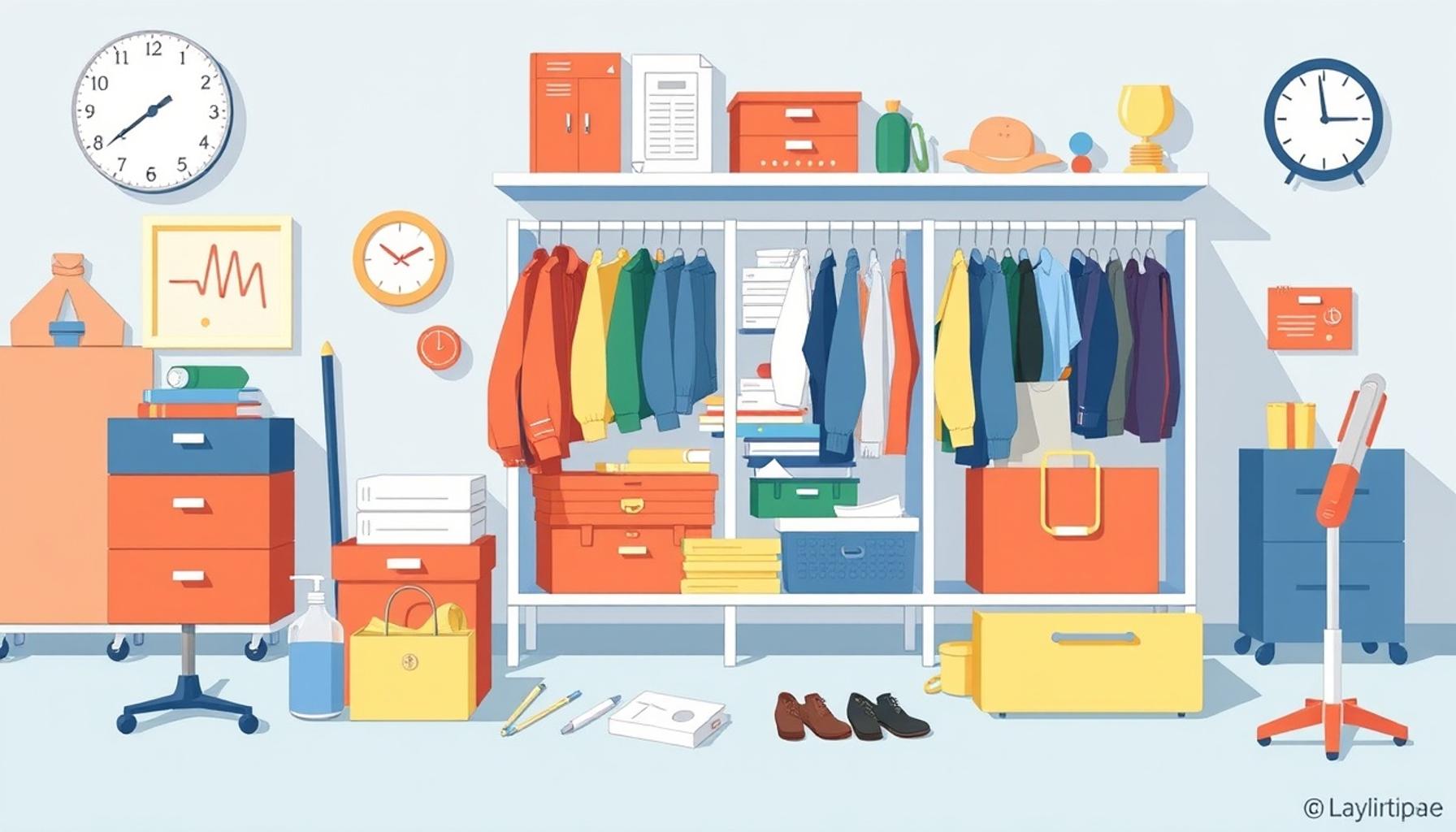
Strategically designed storage solutions have become essential in promoting space efficiency. For instance, vacuum-sealing bags allow users to compress bulky items like bedding and winter clothing, freeing up substantial closet space. Modular furniture, such as ottomans with hidden compartments or tables that can be extended or collapsed, provides versatility that is especially beneficial in smaller apartments or homes. These solutions enable homeowners to adapt their living spaces to accommodate guests or change their layout according to their daily needs.
Robotics for Cleanliness
The advent of robotic vacuum cleaners revolutionizes the way we maintain cleanliness in our homes. These autonomous devices, such as the iRobot Roomba, can navigate around furniture and along edges, efficiently picking up dirt and debris with minimal user intervention. This automation not only saves time but also reduces the burden of house chores, allowing homeowners to focus on personal projects or quality time with family.
Smart Home Systems
With the rise of smart home systems, homeowners have the ability to control lighting, heating, and appliances from their smartphones or voice assistants. Products like the Philips Hue smart bulbs enable users to adjust the ambiance of a room, while smart thermostats optimize energy usage, contributing to both comfort and cost savings. These technologies reduce clutter, as traditional controls and devices are replaced with sleek, integrated solutions.
In addition to the tangible benefits, these technologies also promote a minimalist mindset. By investing in multifunctional devices and automated systems, individuals can curate their possessions and prioritize quality over quantity. The minimalist lifestyle encourages intentionality in what we own and how we utilize our spaces, leading to a more organized environment.
As the trend toward minimalism continues to grow, understanding the intersection of technology and minimalism becomes crucial for homeowners looking to embrace a lifestyle of efficiency and comfort. With countless options available, the potential for creating harmonious living spaces that reflect personal style while prioritizing functionality is more attainable than ever.
In the sections that follow, we will delve deeper into specific tools and technologies that can elevate space efficiency within homes, empowering readers to explore how they can cultivate a lifestyle anchored in minimalist principles.
Embracing Innovation for Efficient Spaces
The convergence of technology and minimalism creates a fascinating landscape for enhancing space efficiency in domestic environments. By leveraging innovative tools and devices, homeowners can significantly transform their living spaces into havens of organization and simplicity. With a plethora of smart solutions available, individuals are empowered to reduce clutter and streamline their daily routines. Below, we explore how several key technologies contribute to creating more efficient and meaningful living spaces.
Streamlined Appliances
Modern appliances are being designed with space efficiency in mind, enabling homeowners to enjoy advanced functionalities without sacrificing valuable square footage. Compact washing machines and dryers, which fit snugly in closets or under counters, are perfect examples of how functionality can coexist with minimalism. Additionally, nesting appliances are gaining popularity—microwaves that double as convection ovens and steamers that can be easily stored allow for versatile cooking options in smaller kitchens.
Digital Organization Tools
In today’s digital age, apps and software help reduce physical clutter and streamline management tasks. Consider the following tools:
- Decluttering Apps: Platforms like Decluttr enable users to sell unwanted items quickly, encouraging a more minimalist lifestyle.
- Digital Note-Taking: Applications such as Evernote or Notion let users jot down thoughts, to-do lists, and important information, negating the need for physical notepads and sticky notes.
- Home Inventory Management: Tools like Sortly assist in organizing possessions, making it easier to keep track of items and prioritize what is essential.
These digital solutions not only free physical space but also contribute to a serene mental environment, as users find it easier to manage their tasks and possessions with technology enhancing their daily lives.
Lighting Innovations
The role of lighting in space efficiency cannot be understated. Smart lighting systems allow users to control the brightness and color of their lights via smartphones or voice commands. Systems such as Philips Hue and Lutron provide customizable settings that foster an inviting atmosphere, making small rooms feel larger and more adaptable. By eliminating the need for traditional lamps and bulky fixtures, these innovative products embrace principles of minimalism while enhancing both functionality and style.
As the exploration of technology’s impact on minimalism continues, it is clear that the intersection of efficient tools and intentional living can empower homeowners to cultivate spaces that reflect their values and enhance their quality of life. In the following sections, we will delve further into additional tools and technologies that are reshaping how we think about and utilize space in our homes, ultimately allowing us to redefine the concept of minimalism in the modern era.
| Category | Details |
|---|---|
| Smart Home Devices | These innovations allow for remote control and automation of home functions, enhancing efficiency. |
| Multi-functional Furniture | Versatile designs such as beds with storage or desks that fold away contribute to maximizing available space. |
The integration of smart home devices into domestic settings serves as a prime example of how technology can augment space efficiency. By facilitating the management of appliances and utilities through smartphones or voice-activated interfaces, these devices streamline daily operations and minimize clutter. For instance, smart thermostats can optimize heating and cooling, while smart lighting systems can be tailored to create ambience without occupying physical space.Moreover, the rise of multi-functional furniture is revolutionizing the design of minimalistic living environments. These pieces not only save physical space but also adapt seamlessly to various day-to-day needs. A coffee table with hidden storage or a sofa bed demonstrates how aesthetic appeal can coincide with practicality. By incorporating each of these elements, homeowners can effectively enhance the efficiency of their living spaces while embracing a minimalist approach. The synergy between technology and design offers a promising pathway for those seeking to enhance their homes without compromising on style or functionality.
Transformative Technologies for a Minimalist Lifestyle
As the dialogue between technology and minimalism expands, more innovative tools emerge to further enhance space efficiency in domestic settings. Today, the integration of smart home devices, multifunctional furniture, and organization systems uniquely caters to the needs of modern homeowners. These developments not only promote a decluttered environment but also create a sense of empowerment and creativity in how we arrange and use spaces.
Smart Home Devices
The proliferation of smart home technology has irrevocably altered how we manage our living spaces. Smart thermostats, for instance, offer automated temperature settings based on user habits, eliminating the need for bulky traditional heaters or air conditioning units. Devices like the Nest Learning Thermostat can optimize energy consumption, thus minimizing unwanted energy waste and promoting sustainability. Additionally, connected home sensors can alert homeowners about openings or movement within a space, effectively simplifying security measures without the clutter of locks and alarms.
Moreover, smart assistants like Amazon Echo and Google Nest further fuse convenience and innovation. These devices can control various facets of home life, from managing lights and appliances with a single voice command to organizing personal schedules and reminders digitally. In doing so, they help eliminate physical planners and sundry tasks that contribute to living space chaos.
Multifunctional Furniture
The concept of multifunctional furniture has gained traction as homeowners strive for minimalism in their interior design. Furniture pieces designed to serve multiple purposes not only save space but also contribute to the aesthetic appeal of a room. Take, for example, a sleeper sofa that transforms from a stylish couch into a comfortable bed, or a storage ottoman that serves as both seating and space for blankets or books. Such innovations help avoid unnecessary furniture pieces that take up space without serving a specific need.
Another noteworthy example is wall beds, or Murphy beds, which fold up when not in use. This clever design is particularly beneficial in studio apartments or smaller living spaces, offering a comfortable sleeping arrangement without permanently occupying floor space. These modern furnishings not only embody minimalism but also signify a shift toward adaptable living environments responsive to various lifestyles.
IoT and Space Management
The Internet of Things (IoT) is revolutionizing how we manage and interact with our homes. Through interconnected devices, homeowners can monitor space utilization in real-time. For instance, smart lighting systems can adjust based on the room’s occupancy or time of day, ensuring lights are off when not needed and thus conserving energy. Applications that track household inventory help reduce waste by prompting purchases only when necessary, curbing overstocking in kitchens or pantries.
Furthermore, data analytics from smart devices can provide insights into usage patterns, helping residents make informed decisions about their possessions and spaces. As more homeowners embrace the IoT, the potential for enhancing space efficiency expands exponentially, guiding them toward a more intentional and simplistic way of living. This continuous interplay between tech and design highlights how actionable insights can transform mundane environments into optimized spaces tailored for minimalist lifestyles.
In summary, the synergy between technology and minimalism presents a dynamic opportunity for homeowners seeking to streamline their environments. By harnessing these innovative solutions, individuals can create not only visually appealing spaces but also functional homes that resonate with values of simplicity and efficiency.
Conclusion
As we navigate the intricate relationship between technology and minimalism, it’s evident that the tools and innovations available today are reshaping our domestic landscapes. The growing reliance on smart home devices, multifunctional furniture, and IoT applications provides homeowners with unprecedented opportunities to maximize space and enhance overall efficiency. By promoting a lifestyle rooted in intentionality and clarity, these solutions empower individuals to curate their environments, stripping away excess while embracing functionality.
Moreover, the trend toward minimalism is not merely an aesthetic choice; it is a practical response to urban living challenges and a desire for sustainability. As space becomes scarcer, especially in densely populated areas, the quest for efficient solutions takes on even greater significance. Investing in technology that supports a minimalist ethos enables us to reclaim control over our living spaces, transforming them into havens of peace and organization.
Looking ahead, the evolution of these technologies promises even greater integration and innovation. As more consumers become aware of the benefits of a clutter-free existence, we anticipate a surge in interest toward smart solutions tailored to modern minimalism. The future holds exciting possibilities: homes that not only look good but operate seamlessly, allowing individuals to focus on what matters most while maintaining their collective responsibility toward a sustainable lifestyle.
In conclusion, embracing the confluence of technology and minimalism aids us in envisioning and realizing spaces that reflect our values, ultimately leading to enriched living experiences. By leveraging these advancements, we are not just adapting to change; we are actively shaping our domestic environments into optimized reflections of our lives.

Beatriz Johnson is a seasoned minimalist and writer with a passion for simplifying the complexities of personal organization and intentional living. With over a decade of experience in decluttering strategies and mindful consumption, she specializes in topics like space optimization, habit simplification, and sustainable lifestyle choices. Through her work on our website, Beatriz empowers readers to embrace minimalism, reduce mental and physical clutter, and create more meaningful, organized lives in today’s fast-paced world.

Beatriz
Beatriz Johnson is a seasoned minimalist and writer with a passion for simplifying the complexities of personal organization and intentional living. With over a decade of experience in decluttering strategies and mindful consumption, she specializes in topics like space optimization, habit simplification, and sustainable lifestyle choices. Through her work on our website, Beatriz empowers readers to embrace minimalism, reduce mental and physical clutter, and create more meaningful, organized lives in today's fast-paced world.