The Art of Letting Go: Effective Techniques for Reducing Clutter at Home
Understanding the Impact of Clutter
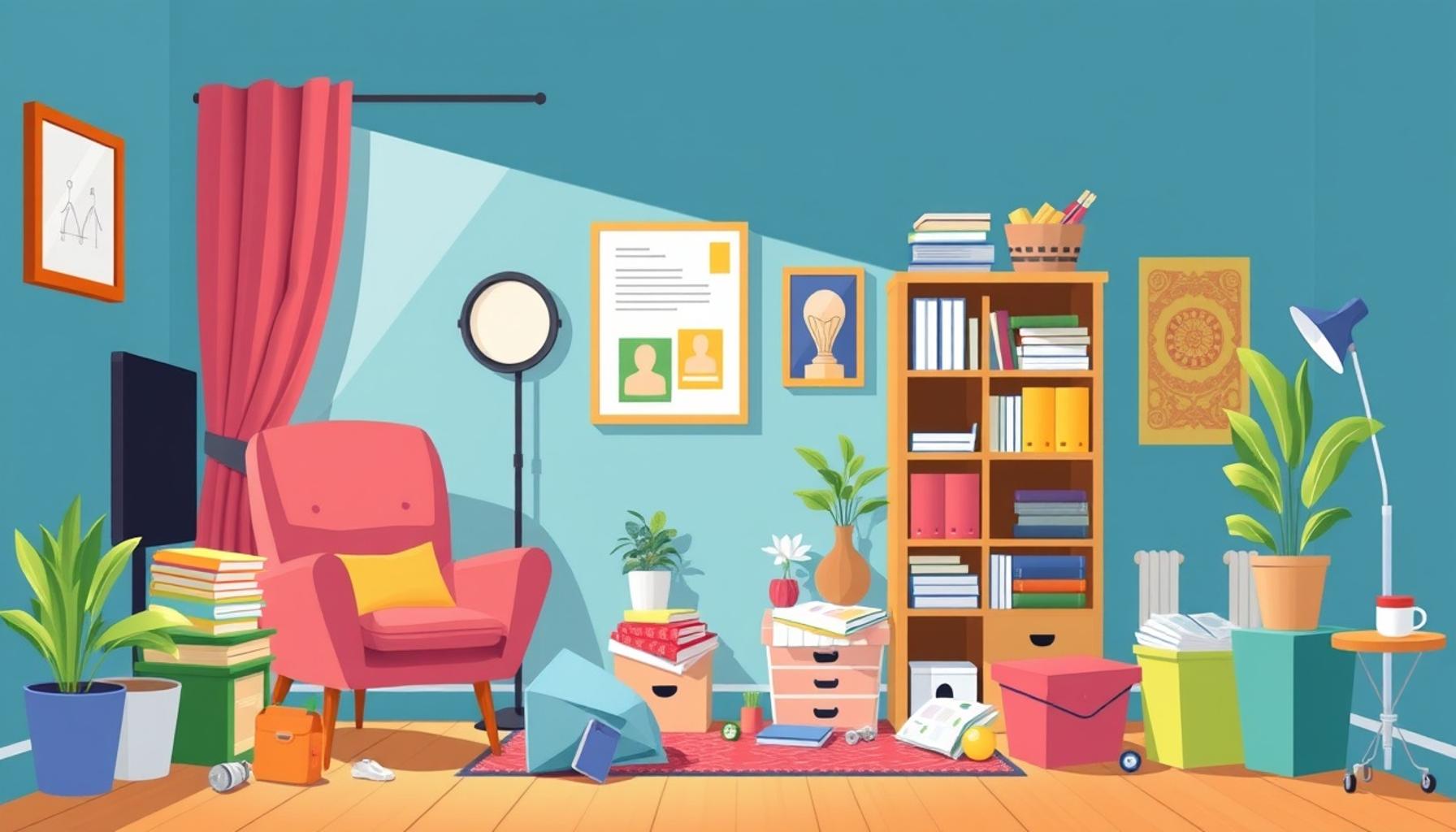
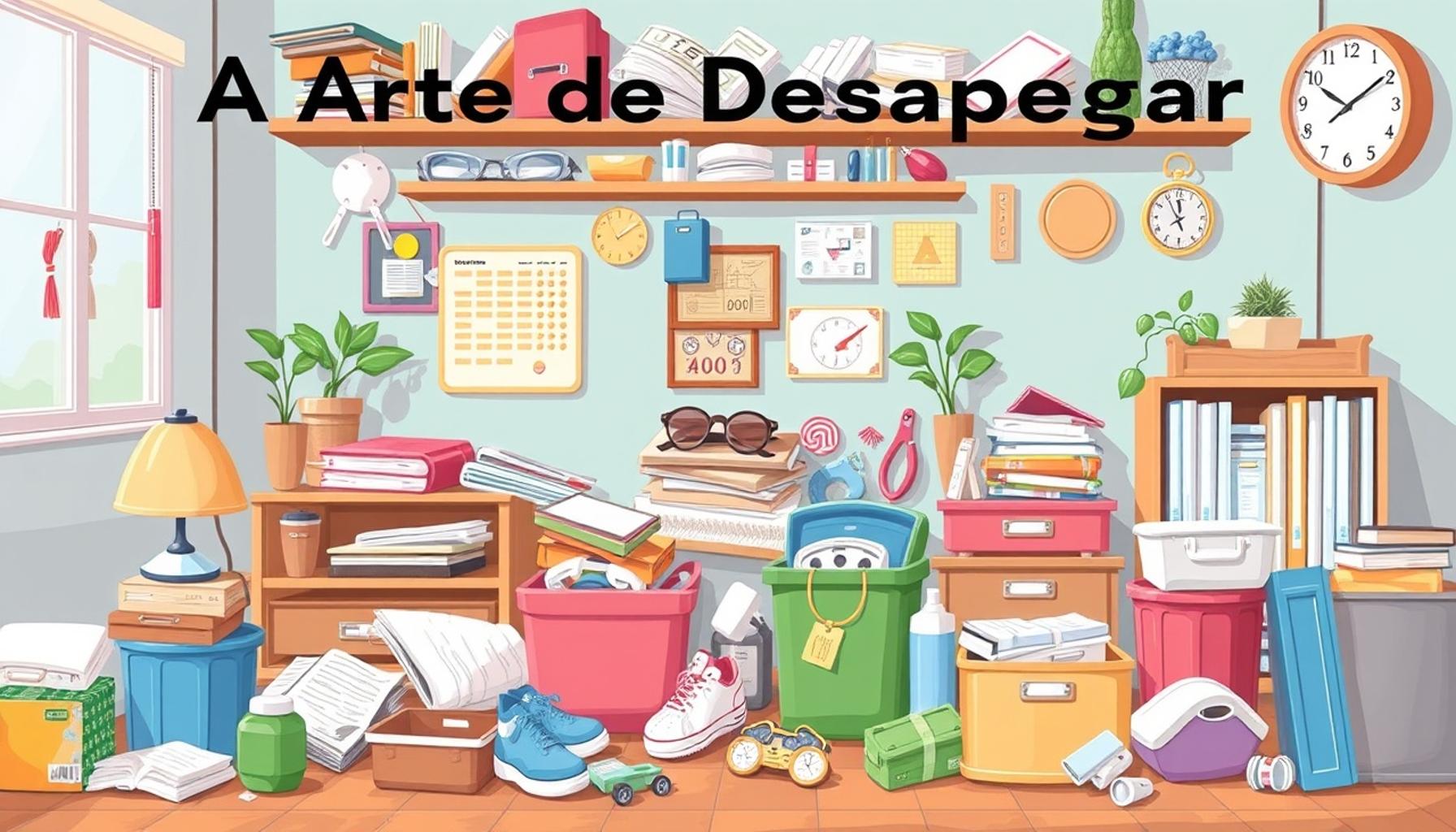
In the hustle and bustle of modern life, it is all too easy for our homes to morph into repositories of accumulated items. With the average American household owning over 300,000 items, it’s clear that the quest for minimalism is not just about aesthetic appeal but also a necessity for maintaining mental well-being. The presence of clutter can be overwhelming, with 67% of Americans indicating that their living spaces cause feelings of stress and chaos.
Moreover, research shows that individuals often spend an astonishing average of 55 minutes a day searching for misplaced items. This not only consumes time but can lead to frustration and diminished productivity. Living in a cluttered environment can serve as a daily reminder of what needs to be addressed, causing a mental toll that affects focus and tranquility.
The Psychological Benefits of Decluttering
One of the most compelling reasons to embrace minimalism is the significant psychological benefits associated with decluttering. Studies have revealed that reducing clutter can lead to a remarkable decrease in stress and anxiety levels. A tidy space fosters a sense of calm and control, enabling individuals to tackle daily tasks with greater efficiency.
Furthermore, decluttering can yield an increase in productivity. When items are organized and spaces are designed thoughtfully, it becomes easier to concentrate on important projects or hobbies without distractions competing for attention. A minimalist environment can also boost emotional wellbeing and satisfaction, as individuals often find a sense of freedom in letting go of excess possessions.
Actionable Techniques for Decluttering
Effective techniques for reducing clutter can lead to lasting change in your living space. One popular method is the “one-in, one-out” rule: for every new item brought into the home, one must be removed. This practice encourages mindful purchasing and helps maintain a balanced environment. Another effective strategy is the Marie Kondo method, where individuals evaluate the items they own based on whether they “spark joy.” This subjective criterion can make the process of letting go much more personal and rewarding.
Additionally, consider implementing a 30-day decluttering challenge, where each day you eliminate an item from your home. By the end of the month, you’ll see a significant reduction in your possessions while developing a habit of curating your space. Remember, the journey to minimalism isn’t about living with less for the sake of it; it’s about making room for what truly enhances your life.
If you’re contemplating a shift towards a more minimalist lifestyle, these methodologies serve as a supportive framework. Engage in the process with curiosity and an open mind; you may discover new perspectives on what it means to live authentically, unencumbered by unnecessary items.
Practical Steps to Begin Your Decluttering Journey
Embarking on a decluttering journey can feel daunting, but breaking it down into smaller, manageable steps can make the process less overwhelming. The first step is to assess your space and identify areas that require immediate attention. It may be helpful to focus on one room or even a single category of items at a time, allowing for a more concentrated effort. Here are some effective techniques to kick-start your decluttering process:
- Set Clear Goals: Before you begin, define what you hope to achieve. Are you looking to create more space, reduce stress, or even prepare your home for sale? Having a clear purpose will motivate you and provide direction throughout the process.
- Create a Decluttering Schedule: Designate specific days or times each week to focus solely on decluttering. Consistency is key—setting aside dedicated time will ensure that your efforts do not fall by the wayside.
- Use the Four-Box Method: Label four boxes or bins as “Keep,” “Donate,” “Trash,” and “Sell.” As you go through your belongings, place items in the appropriate box. This visual method streamlines decisions and allows you to see tangible progress as you fill each box.
- Start Small: Choose a small area to declutter first, such as a drawer or a single shelf. Completing these smaller tasks can provide immediate gratification and encourage you to take on larger projects.
- Practice Mindfulness: As you handle each item, ask yourself whether it serves a significant purpose in your life. This questioning technique not only helps reduce indecision but also fosters a deeper connection to what you choose to keep.
As you navigate through your belongings, keep in mind that decluttering is not a one-time event but rather a continuous practice. The objective is to cultivate a lifestyle that values experiences over possessions. To further enhance your success in reducing clutter, consider the psychology behind your attachment to items. Understanding the motivations driving your accumulation can open up new pathways to letting go. For instance, many individuals keep items due to guilt, nostalgia, or even a fear of waste. Recognizing these emotions is the first step in addressing them head-on.
Incorporating techniques such as the “20/20 Rule” can also assist in decision-making: if you can replace an item for less than $20 and within 20 minutes, it may be easier to say goodbye. This guideline encourages a practical approach to evaluating the necessity of items that may otherwise hang around your space for too long.
Finally, don’t hesitate to enlist support from friends or family members. Having an accountability partner not only adds an element of fun but can also provide an outside perspective, making it easier to let go of items that no longer serve your life’s narrative. Remember, decluttering is a journey, and every small step is a step toward a more serene and organized living environment.
The Art of Letting Go: Effective Techniques for Reducing Clutter at Home
As we delve deeper into the art of letting go, it’s essential to explore practical methods that empower individuals to tackle clutter effectively. By understanding various psychological and physical approaches, one can create a harmonious living environment that fosters peace and productivity.
| Technique | Benefits |
|---|---|
| The 4-Box Method | This technique helps categorize items into keep, donate, sell, and trash, facilitating decision-making and reducing overwhelm. |
| Time-Boxing | Allocating specific time periods to decluttering tasks ensures steady progress and less procrastination. |
| One In, One Out Rule | Each time you acquire a new item, ensure to part with an old one, maintaining balance and preventing accumulation. |
| Digital Declutter | Organizing digital files and unsubscribing from unnecessary emails creates a clearer mental space, reducing stress. |
Through these techniques, individuals can embark on a journey towards a decluttered home, easing the burden of excess possessions. Each method offers a unique approach, catering to varied lifestyles and preferences, inviting explorations into further decluttering practices.
Embracing Emotional Release: The Psychological Benefits of Letting Go
As you delve deeper into the art of letting go, it’s essential to recognize the emotional weight that clutter can carry. Beyond the physical space it occupies, clutter often represents unaddressed memories, aspirations, and feelings. By understanding the psychological benefits of decluttering, you not only clear your home but also promote emotional well-being.
One powerful technique to adopt is the “Memory Box” method. Instead of keeping every sentimental item that holds emotional significance, select a designated box where you can keep a curated collection of meaningful mementos. This way, you honor your memories without letting them take over your living space. A simple shoebox can serve as a tangible limit, encouraging thoughtful selection and reflection.
Incorporate journaling into your decluttering process. Documenting your thoughts and feelings related to the items you are letting go can serve as a therapeutic outlet. Writing about why certain items are hard to part with—and your feelings attached to them—can offer insights that help you process the emotional attachments. You may even create a clear distinction between items that are truly valuable and those that simply occupy space.
Reframing Your Mindset: The Art of Perspective
Shifting your mindset concerning material possessions can significantly ease the decluttering process. Consider adopting the practice of minimalism. Minimalism emphasizes intentional living, where you focus on experiences rather than accumulating things. This perspective allows you to view decluttering as a way to create space for what truly matters in your life, such as relationships, personal growth, and new adventures.
Add to this a technique known as “one in, one out.” For every new item you bring into your home, commit to letting go of something else. This practice fosters the consciousness of consumption and encourages mindful purchasing habits. You can even extend this approach to clothes, decorations, and kitchenware, guaranteeing that your space never becomes overwhelmed again.
The Power of Digital Decluttering
In a world driven by technology, it’s vital to consider digital clutter as well. Just as physical clutter can weigh you down, an overflowing inbox or desktop full of unfiled documents can create stress and distraction. Establishing a routine for digital decluttering is crucial. Schedule a regular time each month to delete unnecessary emails, organize files, and back up important documents. Cloud storage solutions can help keep your digital space organized while reducing physical paperwork.
You might also find apps and tools specifically designed to help with this aspect of decluttering. For example, productivity apps such as Trello and Todoist can aid in organizing tasks, while photo management apps can help you cut down on cherished yet unorganized digital images. By tidying up your virtual environment, you clear mental space, paving the way for greater productivity and focus.
Ultimately, decluttering is a holistic endeavor—one that encompasses both your physical belongings and the mental space in which you operate. By recognizing emotional attachments, embracing minimalism, and tackling digital clutter, you can foster a decluttering practice that resonates throughout every facet of your life. The journey to reducing clutter at home is not only about the items you keep or discard, but about the healthier, more fulfilling life you choose to cultivate in their place.
Finding Freedom Through Minimalism
In conclusion, embracing the art of letting go can significantly transform not only your living space but also your mental and emotional well-being. The journey to reducing clutter at home requires both intentional strategies and a mindset shift towards valuing experiences over possessions. Techniques such as creating a “Memory Box” allow you to cherish memories without being weighed down by unnecessary items. Journaling your feelings about what you choose to keep or discard serves as a valuable reflective practice, giving you clarity on your choices.
Adopting minimalism encourages a lifestyle that prioritizes simplicity, while the “one in, one out” principle nurtures mindfulness in consumption habits. Moreover, as we navigate an increasingly digital world, addressing digital clutter is equally essential. Regularly decluttering your digital environment not only enhances focus but also increases productivity and peace of mind.
Ultimately, the art of letting go transcends the physical act of discarding items. It opens the door to personal growth, allowing you to cultivate an enriching life filled with meaningful connections and purposeful engagements. This intentionality fosters a serene atmosphere in your home that reflects a clearer, more focused mind. As you embark on this transformative journey of decluttering, remember that every item let go is a step toward a more fulfilling and balanced existence.

Beatriz Johnson is a seasoned minimalist and writer with a passion for simplifying the complexities of personal organization and intentional living. With over a decade of experience in decluttering strategies and mindful consumption, she specializes in topics like space optimization, habit simplification, and sustainable lifestyle choices. Through her work on our website, Beatriz empowers readers to embrace minimalism, reduce mental and physical clutter, and create more meaningful, organized lives in today’s fast-paced world.

Beatriz
Beatriz Johnson is a seasoned minimalist and writer with a passion for simplifying the complexities of personal organization and intentional living. With over a decade of experience in decluttering strategies and mindful consumption, she specializes in topics like space optimization, habit simplification, and sustainable lifestyle choices. Through her work on our website, Beatriz empowers readers to embrace minimalism, reduce mental and physical clutter, and create more meaningful, organized lives in today's fast-paced world.