
Transforming the Home into a Sanctuary: Tips for Creating a Minimalist Space that Promotes Rest
Creating Your Peaceful Retreat
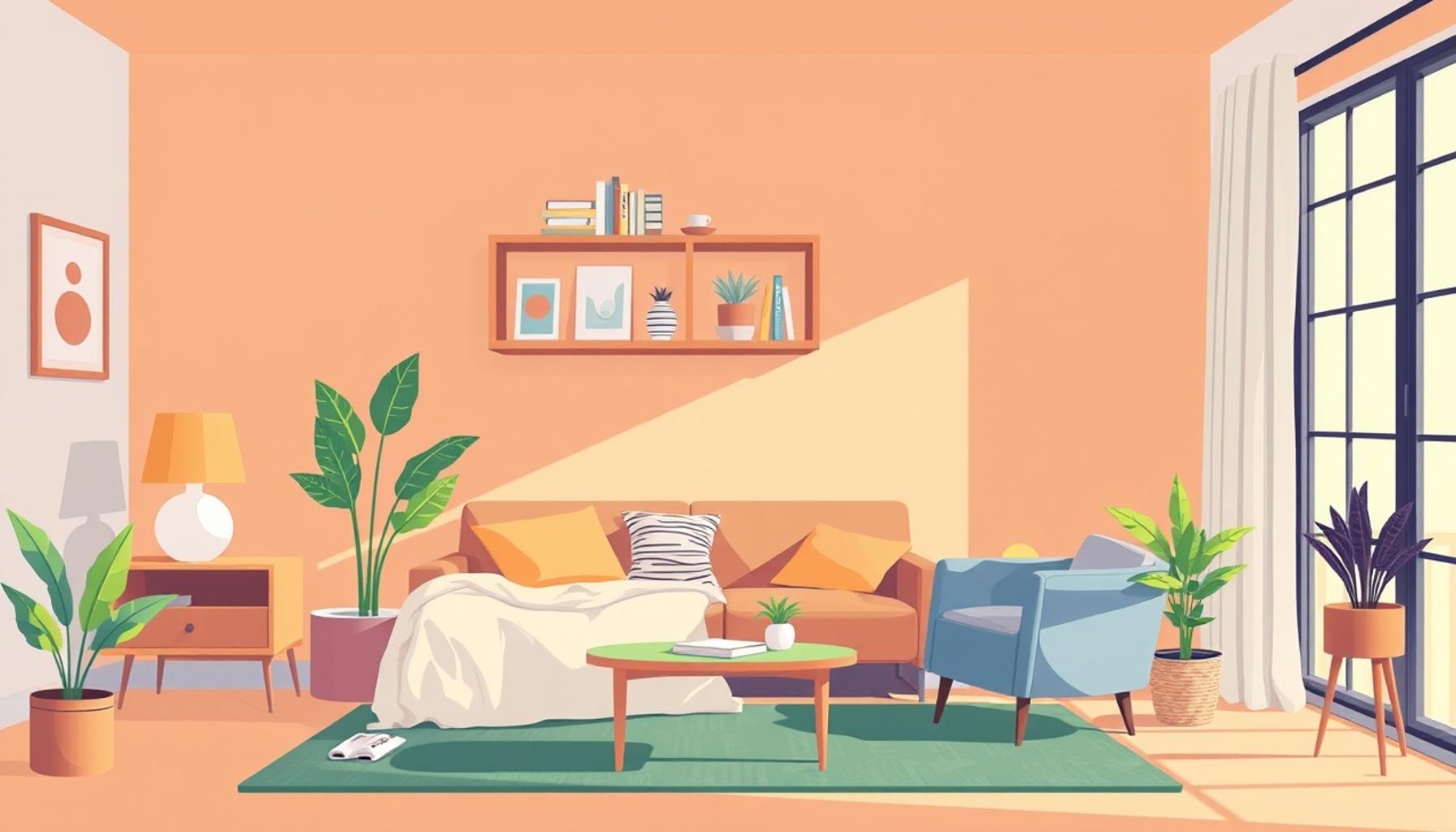
In today’s fast-paced world, finding a personal sanctuary within our homes is essential for overall well-being. A minimalist space not only alleviates stress but also enhances focus and calmness. One of the simplest ways to achieve tranquility is through intentional design choices that prioritize simplicity and functionality.
Here are some key aspects to consider when transforming your home into a peaceful retreat:
- Declutter: Removing unnecessary items is crucial in reducing visual chaos. Studies have shown that clutter can negatively affect cognitive performance and increase feelings of stress. Start with one room at a time, utilizing the age-old question, “Does this spark joy?”, popularized by Marie Kondo, to guide your decisions on what to keep or toss.
- Natural Light: Maximize windows and light sources to create a peaceful ambiance. Exposure to natural light has been linked to improved mood and cognitive function. Consider using sheer curtains to allow sunlight to filter in while maintaining privacy, or strategically place mirrors to reflect light and create an illusion of a larger space.
- Neutral Colors: Utilize a soft, muted palette to promote serenity in your home. Shades such as soft grays, tans, or pale blues can evoke a sense of calm. The psychology of color suggests that certain hues can influence emotions; for instance, blues are often associated with tranquility, while greens can promote relaxation akin to a serene outdoor setting.
- Functional Furniture: Choose pieces that blend aesthetic appeal with purpose. This means selecting furniture that not only looks good but also serves a necessary function in your space. A well-chosen ottoman can double as seating and storage, maintaining the minimalist philosophy while keeping the area organized.
- Natural Elements: Incorporate plants or organic materials for a touch of nature. Houseplants not only improve air quality but also help to create a calming environment. Consider introducing easy-care varieties, such as snake plants or pothos, which thrive in various conditions. Additionally, using natural materials like wood or stone in your decor can foster a connection to the outdoor world.
Implementing these strategies can help cultivate an environment conducive to rest and relaxation. By embracing minimalism, you can nurture a space that encourages clarity and mindfulness in your daily life. Each element, from decluttering your possessions to inviting nature indoors, contributes to an overall sense of serenity.
As you venture into creating your ultimate home sanctuary, remember that it’s a personal journey. Take the time to explore what resonates with you and adapt these suggestions to suit your lifestyle. A tranquil home should be a reflection of your individual tastes, promoting both comfort and peace.
Embracing the Art of Minimalism
Minimalism is not just a design trend; it is a lifestyle choice that promotes mindfulness and intentional living. By embracing minimalist principles, you can transform your home into a haven that supports rest and relaxation. The core of minimalism lies in the idea of “less is more.” This principle encourages homeowners to prioritize quality over quantity, which can lead to a more peaceful environment. Here, we will delve into some practical steps to create a minimalist space that fosters a sense of calm.
Establish Clear Zones
One of the most effective ways to enhance tranquility in your home is by establishing clear zones for various activities. Designate specific areas for relaxation, work, and leisure to avoid confusion and promote a focused environment. For example, if your living space serves multiple functions, consider using furniture solutions like room dividers or shelving units to create boundaries. This organization not only aids in decluttering but also allows the mind to switch gears more effectively, fostering better productivity and rest.
Mindful Decor Choices
When curating your decor, opt for pieces that resonate with your personal history and feelings of comfort. Avoid overcrowding walls with too many artworks or knick-knacks; instead, select a few significant items that bring joy and memories. This approach supports a sense of connection without overwhelming the senses. Adopting a “one in, one out” policy can also help maintain this balance. For every new item you bring into your home, consider removing one to keep clutter at bay.
Aromatherapy and Sensory Elements
The atmosphere within your sanctuary can be significantly enhanced through the use of scent. Aromatherapy is a powerful tool for promoting relaxation and well-being. Essential oils, such as lavender or eucalyptus, can be diffused or applied in a carrier oil to create a soothing environment. Incorporating elements like soft lighting, such as adjustable lamps or candles, also contributes to the overall ambiance. The combination of calming scents and gentle lighting engages the senses and invites relaxation.
- Select Calming Scents: Use essential oils or candles that promote relaxation, such as lavender, chamomile, or sandalwood.
- Incorporate Textures: Soft cushions, warm throws, and organic textiles create comfort and can soften the overall aesthetic of your space.
- Limit Noise Pollution: Consider soundproofing options or incorporating calming background noise, such as gentle music or nature sounds, to further enhance relaxation.
Implementing these strategies will help not only create a minimalist space but also cultivate an atmosphere that encourages rest and rejuvenation. Every small step taken toward minimalism can substantially impact your mental well-being and enhance your home’s serene environment. In a world full of distractions, your home can serve as a peaceful retreat that aligns with your lifestyle and promotes a healthier state of mind.
Embracing Natural Elements
In a minimalist space, the incorporation of natural elements can significantly contribute to a calming atmosphere. Bringing the outdoors in with plants, natural fibers, and organic materials fosters a connection to nature, which is essential for creating a restful home sanctuary. Consider adding potted plants such as succulents or ferns to improve air quality while adding a touch of greenery. The use of wood, stone, and natural textiles can also enhance the aesthetic, making the space feel warmer and more inviting.
The Power of Color
The color palette used in your home has a profound impact on your mood and overall sense of well-being. Soft, neutral tones like whites, beiges, and soft grays work well to create a serene environment. These colors reflect light and make spaces feel airy and open. Incorporating subtle pops of color using art or accessories can instill personality without overwhelming the senses. Understanding color theory can greatly assist in selecting hues that promote relaxation and tranquility.
Simplifying Your Space
When it comes to minimalist design, decluttering is essential. Evaluate each item in your home and consider its purpose as well as how it makes you feel. Keeping only those items that are functional or bring you joy can create a peaceful environment. Storage solutions, like baskets or hidden compartments, can keep surfaces clear and contribute to stress-free living. Additionally, adopting a ‘one in, one out’ policy for new purchases helps maintain your minimalist aesthetic.
Mindful Design Choices
Every design choice in your home serves as an opportunity to promote rest and relaxation. Selecting furniture that emphasizes comfort and simplicity, such as a low-profile sofa or a bed with organic cotton sheets, encourages a sense of peace. Incorporating soft lighting with dimmers aids in setting the mood and enhances relaxation in the evenings. Surrounding yourself with intentionally chosen decor items can transform your home into a soothing retreat where you can recharge from the hustle and bustle of everyday life.
| Category | Benefits |
|---|---|
| Natural Elements | Promotes better air quality and enhances a refreshing ambiance. |
| Color Palette | Soft colors create an inviting, serene environment ideal for relaxation. |
| Decluttering | Reduces visual stress, leading to a more peaceful living space. |
| Mindful Choices | Encourages a sense of calm and promotes restfulness in your daily life. |
The Role of Scent
Lastly, the sense of smell is a powerful trigger for memory and emotion. Scents such as lavender, chamomile, or sandalwood can induce relaxation and serenity. Consider using essential oils or candles to enhance your home atmosphere. The right scent can transport you to a state of tranquility and significantly elevate your minimalist sanctuary experience.
Curating a Clutter-Free Mindset
Creating a minimalist space that promotes rest goes beyond physical elements; it also involves nurturing a clutter-free mindset. The journey to minimalism is not just about the absence of stuff, but a conscious decision to engage with the world around you differently. To nurture this mindset, begin by assessing your relationship with your belongings. Are they serving a purpose, or are they simply occupying space? This reflection can help you understand what truly adds value to your life.
Digital Minimalism
In today’s hyper-connected world, embracing a minimalist lifestyle also means applying the principles of digital minimalism. Excessive digital clutter can lead to feelings of overwhelm and distraction, which ultimately disrupt your peace of mind. Start by decluttering your digital devices—delete unused apps, unsubscribe from unnecessary emails, and organize files into well-labeled folders. This step not only creates a cleaner virtual space but also allows for a more streamlined focus on the essentials. Designate specific times throughout your day to check emails and social media to reduce the impulse to engage constantly.
Embrace Natural Light
Lighting plays a crucial role in setting the mood of your sanctuary. Natural light has been shown to have significant positive effects on mental well-being. Maximize this resource by keeping windows unobstructed and incorporating mirrors to amplify sunlight throughout your space. When possible, choose sheer curtains that allow light while ensuring privacy. In the evening, replace harsh overhead lights with softer options to mimic the warmth of natural light. Consider adding dimmers that give you the flexibility to tailor the ambiance to your needs.
Nature’s Touch
Biophilic design principles advocate our inherent connection to nature and highlight its importance in promoting mental clarity and relaxation. Integrating natural elements through indoor plants not only enhances air quality but also adds visual calmness to your space. Plants such as snake plants, pothos, or peace lilies are low-maintenance options that thrive indoors. Create a cohesive look by styling them in simple, minimalist planters that match your decor. Alongside greenery, consider incorporating natural materials like wood, stone, or clay in furniture and decor—these materials resonate deeply with our senses and tend to create a warm atmosphere.
- Choose Plant Variations: Mix different types of plants for varied textures and visual interest, but keep the display cohesive with a limited color palette in planters.
- Incorporate Natural Textures: Use wool, cotton, and silk to create a tactile experience that can soothe the senses while maintaining minimal aesthetics.
- Stay Consistent: Aim for a cohesive design scheme across your home, where each room reflects similar textures and colors, promoting a flowing energy.
As you apply these principles, it becomes clear that the essence of minimalism in your home is about more than just tangible reduction; it deeply intertwines with your lifestyle and mental framework. By embracing a clutter-free approach, optimizing natural light, and reconnecting with nature, you not only foster a space rich in tranquility but also enhance your overall well-being. As a result, your home can become an oasis that nurtures your spirit and allows for genuine rest. The transformation begins with mindful choices that complement your ethos of intentional living.
Creating Your Haven
In conclusion, transforming your home into a sanctuary through minimalism is a profound journey that intertwines the physical and mental realms. By adopting a clutter-free mindset, you begin to discern what truly enriches your life, allowing you to cultivate a living space that breathes calm. The principles of digital minimalism serve as essential allies in this pursuit, ensuring that your virtual life does not overwhelm your mental space. The intentional management of your digital interactions can be as liberating as reducing tangible clutter.
Furthermore, harnessing the power of natural light and integrating elements of nature into your home—through plants and organic materials—infuses your space with vitality and a sense of serenity. These adjustments not only enhance your environment but also speak to our fundamental need for connection with nature, which studies have shown to promote well-being and relaxation.
As you embark on this transformative process, remember that each step taken in refining your home contributes to a larger ethos of intentional living. It’s not merely about aesthetics; it’s about creating a nurturing environment that promotes restorative rest and mental clarity. Your home can indeed become a personal haven, reflective of your values and lifestyle. Embrace the journey, and discover the peace that awaits in the minimalist sanctuary you create. Ultimately, the path to serenity lies in the mindful choices you make each day, shaping not just your home but your entire approach to life.

Beatriz Johnson is a seasoned minimalist and writer with a passion for simplifying the complexities of personal organization and intentional living. With over a decade of experience in decluttering strategies and mindful consumption, she specializes in topics like space optimization, habit simplification, and sustainable lifestyle choices. Through her work on our website, Beatriz empowers readers to embrace minimalism, reduce mental and physical clutter, and create more meaningful, organized lives in today’s fast-paced world.

Beatriz
Beatriz Johnson is a seasoned minimalist and writer with a passion for simplifying the complexities of personal organization and intentional living. With over a decade of experience in decluttering strategies and mindful consumption, she specializes in topics like space optimization, habit simplification, and sustainable lifestyle choices. Through her work on our website, Beatriz empowers readers to embrace minimalism, reduce mental and physical clutter, and create more meaningful, organized lives in today's fast-paced world.