The Impact of Color and Light on Perceived Space Efficiency in Minimalist Interiors
Exploring the Relationship Between Color, Light, and Space
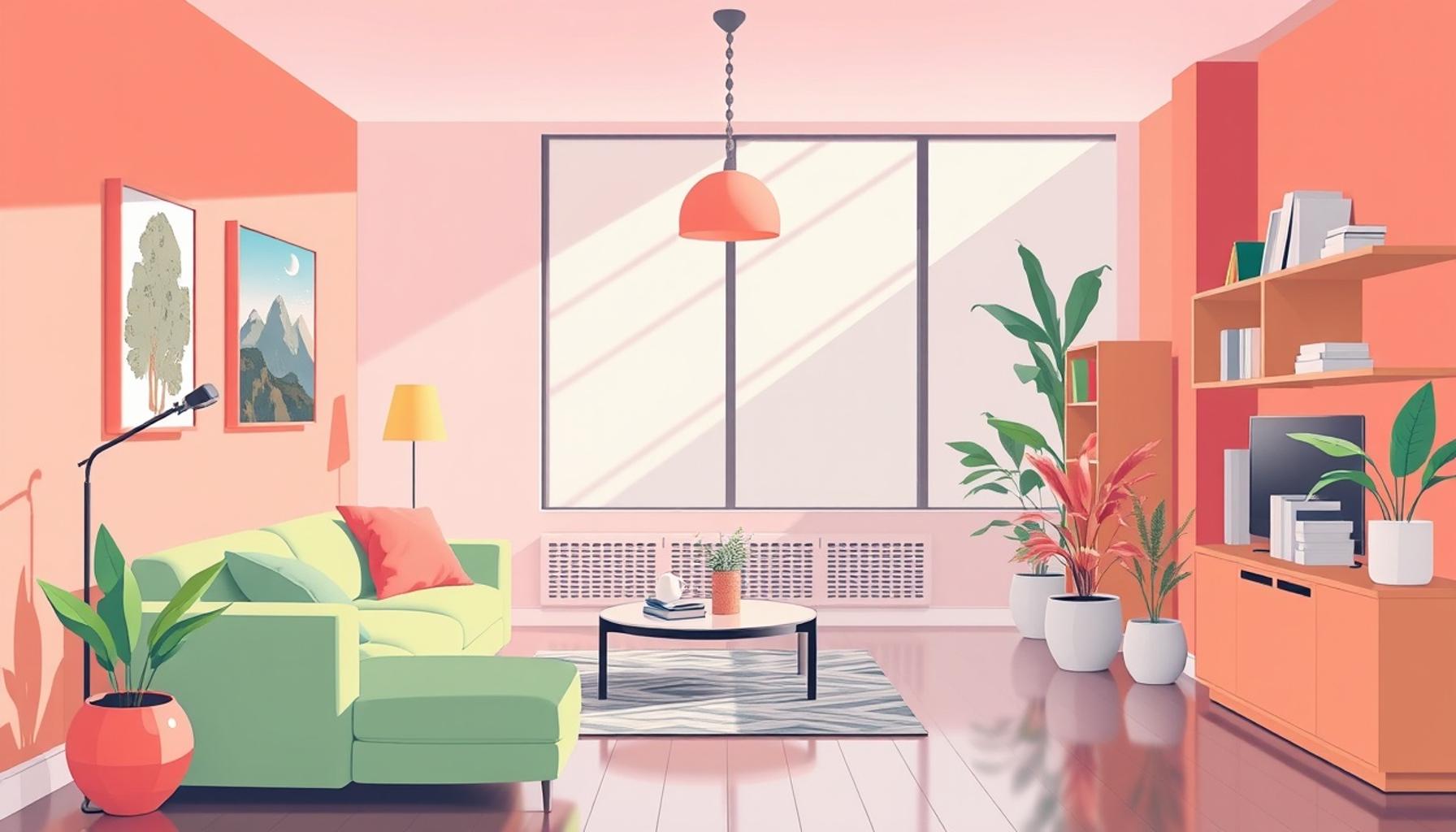
In the realm of minimalist interiors, the interplay of color and light plays a crucial role in shaping our perception of space. The effect of a room’s aesthetic can completely transform the way we interact with it. A thoughtful approach to color palettes coupled with strategic lighting choices can enhance feelings of comfort and spaciousness, creating an environment conducive to relaxation and productivity. This relationship is not merely artistic; it’s rooted in psychology, biology, and architecture.
- Color Choices: Light colors such as whites, soft pastels, and muted earth tones are commonly employed in minimalist designs to create a sense of openness. For instance, painting walls in a soft beige instead of a dark charcoal can significantly affect how light reflects throughout a room, making it feel larger and airier. Conversely, overly dark colors can absorb light, potentially making a space feel cramped or closed off. Popular designs often incorporate bright whites or light grays, paired with natural wood elements, to maintain a fresh and inviting atmosphere.
- Lighting Techniques: Maximizing natural light is pivotal when designing minimalist interiors. Large windows or glass doors can flood a room with daylight, enhancing the perception of space and connecting the indoor environment with the outdoors. Strategically placed mirrors can also reflect light, providing the illusion of a larger area. The use of sheer curtains can soften direct light while still allowing illumination to permeate the space.
- Contrast and Accents: Darker hues and targeted accent lighting can add depth to minimalist spaces without overwhelming them. For example, a single dark wall or a well-placed piece of artwork can serve as a focal point, drawing attention without cluttering the aesthetic. Consider integrating accent lighting such as track lights or LED strips to strategically highlight features like artwork or architectural details, thus enriching the overall experience of the space.
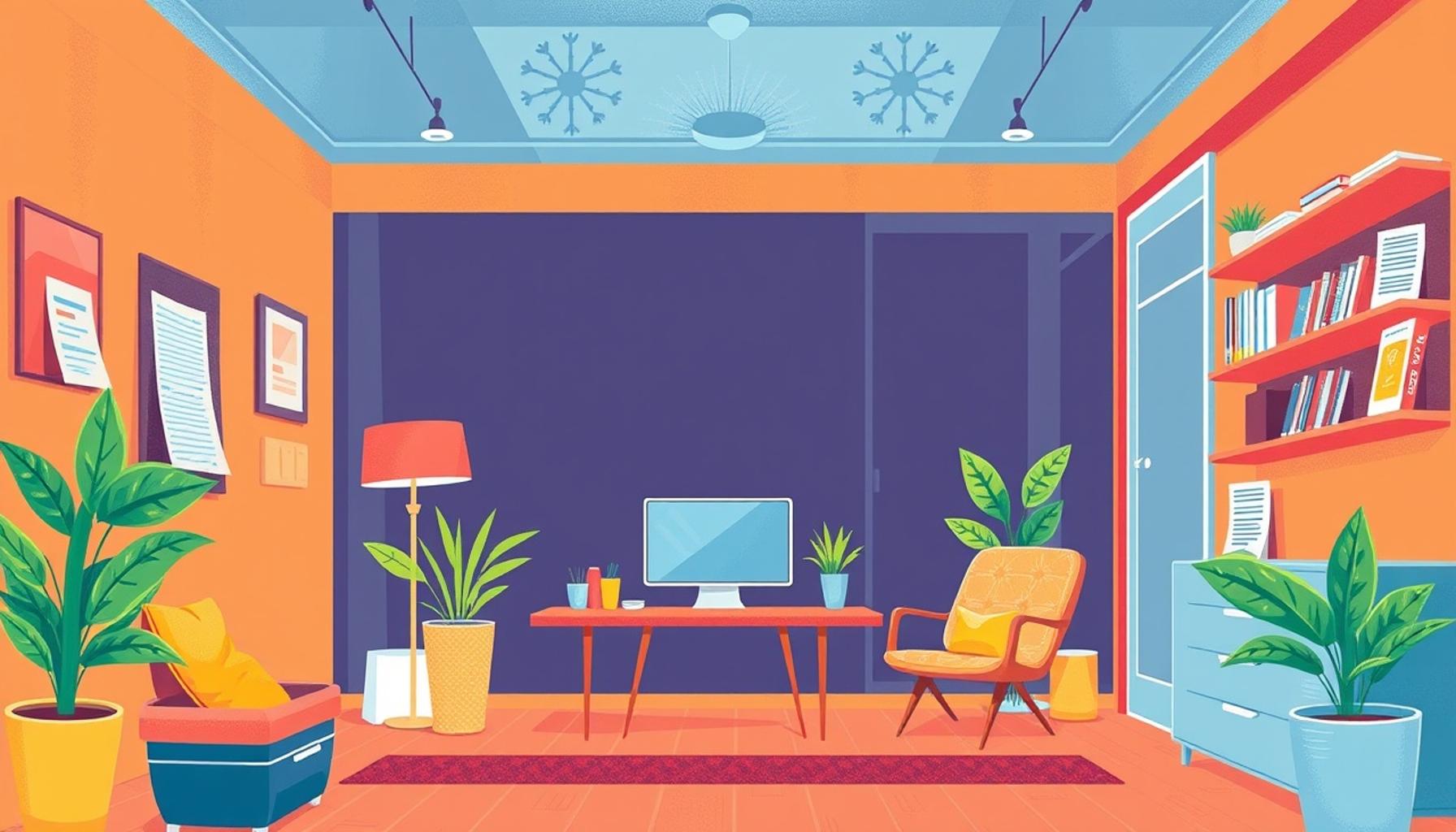
Research in color psychology emphasizes that this interplay not only influences our visual experience but also affects our emotions and behavior. For instance, studies have shown that blue tones can enhance concentration, making it popular in home offices, while greens can evoke a sense of peace, perfect for bedrooms or relaxation areas. Minimalist designs thrive on simplicity, where every color choice must serve both aesthetic and functional purposes, enriching rather than distracting from the overall design.
Moreover, the quality of light—whether natural or artificial—plays a significant role in our perception of size. Key aspects include:
- Daylight Exposure: Natural light exposure is linked to improved mood and productivity. Rooms that receive ample sunlight can foster a sense of vitality and well-being.
- Artificial Lighting: Different types of artificial light can either expand or contract spaces visually. For instance, warm-toned lighting often creates a cozy atmosphere, while cool white lights can result in a sleek and contemporary feel.
- Shadows and Highlights: The interplay between light and shadow can skillfully define a room’s geometry, drawing attention to architectural features and creating visual intrigue.
As we delve deeper into the relationship between color, light, and space, one can uncover how this powerful synergy can maximize perceived space efficiency within minimalist environments. By curating a careful balance of these elements, one can transform any interior into a sanctuary of tranquility and style, ultimately enriching daily living experiences.
Understanding Color in Minimalist Spaces
In minimalist design, color selection is not only about aesthetics; it serves a functional purpose that directly influences how a space is perceived. When integrating colors into minimalist interiors, one must consider the psychological impacts these colors evoke as well as their practical applications in enhancing spatial perception. For instance, light and neutral colors such as whites, light blues, and soft beiges are renowned for their ability to reflect light and create the illusion of greater expansiveness. The result is a serene environment that feels larger and more welcoming.
Contrastingly, darker shades can evoke a sense of intimacy; however, when used excessively, they run the risk of making a space feel confined. For example, a room with dark chocolate-colored walls may exude warmth but can simultaneously create an atmosphere of claustrophobia if not balanced with adequate lighting. This balance can be achieved through a strategic application of complementary colors, where light-toned furnishings and decor are introduced to offset the heaviness of dark hues.
- Soft Whites and Neutrals: These colors amplify the presence of natural light, rendering rooms brighter. They act as a canvas that allows other elements, such as furniture and decor, to shine without overwhelming the senses.
- Pastel Shades: Soft blues, greens, and lavenders promote tranquility and harmony within a space, making them ideal for areas designated for relaxation.
- Accent Colors: Incorporating vibrant accent colors, like a bold red or deep green as an accent wall or art piece, can invigorate a minimalist space, adding character while maintaining an overall sense of simplicity.
The influence of color goes beyond visual appeal—it can also dictate how people feel within a space. For instance, studies indicate that spaces painted in shades of blue can enhance cognitive function and focus, making them suited for home offices or study nooks. On the other hand, green tones are often linked to nature and are suggested to promote relaxation, making them appropriate for bedrooms or living areas.
The Role of Light in Spatial Perception
Illumination plays a pivotal role in determining how a space is perceived. Specifically, the quality and source of light—whether natural or artificial—can drastically alter a room’s mood and size perception. Embracing a design philosophy that prioritizes natural light is crucial. Spaces that incorporate large windows or skylights benefit from sunlight flooding in, which not only enhances the vibrancy of colors but also creates a visual connection with the outside world, further enhancing the feeling of space.
On the flip side, reliance solely on artificial lighting can either bolster or hinder the sense of openness within a minimalist interior. Important considerations include:
- Type of Bulb: The choice between warm-yellow and cool-white lighting can influence the ambiance of a space. Cooler tones often create a contemporary feel, while warmer hues foster a cozy atmosphere.
- Layered Lighting: Using a combination of ambient, task, and accent lighting can effectively illuminate minimalist spaces, enhancing their dimensionality without adding visual clutter.
- Positioning of Fixtures: Strategic placement of lamps and fixtures can draw attention to specific areas of a room, enhancing visual interest while maintaining a sense of spaciousness.
As we explore the potential transformations through color and light within minimalist interiors, one realizes their profound impact on perceived space efficiency. By skillfully intertwining these elements, one can achieve a harmonious space that not only feels spacious but also enriches everyday experiences in a meaningful way.
| Aspect | Description |
|---|---|
| Color Psychology | The choice of color significantly influences mood and perception of space, where light colors like whites and pastels can create a sense of openness. |
| Lighting Techniques | Implementing layered lighting with ambient, task, and accent lights enhances functionality and improves the visual space, making areas feel more expansive. |
The utilization of color and light plays a pivotal role in minimalist interiors, especially when it comes to perceived space efficiency. For instance, the application of neutral palettes can make compact areas feel larger, enhancing the overall aesthetic while maintaining essential functionality. Additionally, the strategic inclusion of mirrors not only reflects light but also visually expands physical dimensions, providing an illusion of depth.Moreover, different lighting temperatures—cool versus warm—affect how readily spaces are perceived; cooler lights tend to invigorate, promoting alertness, while warmer hues evoke comfort, essential in private spaces. Designers must also consider natural light; optimizing window placements can lead to reduced reliance on artificial sources, thus saving energy and creating a serene ambiance.Overall, an expert balance of color choice and lighting strategy can transform minimal spaces while maximizing perceived efficiency.
Combining Color and Light for Optimal Space Perception
The interplay of color and light is vital in transforming minimalist interiors into spaces that feel not only spacious but also inviting and functional. Achieving harmony between these two elements can often be the key to maximizing perceived space efficiency. To fully appreciate this relationship, we need to delve deeper into various strategies that combine both color and light effectively.
One of the most impactful methods is through the use of reflective surfaces. Incorporating materials such as mirrors or glossy finishes can multiply light’s impact within a space, thereby amplifying its expansiveness. For instance, a strategically placed mirror opposite a window can capture and reflect natural light across the room, while also creating a sense of depth. This effect is particularly useful in smaller areas, such as entryways or powder rooms, where every inch counts. Moreover, selecting furniture with glass or metallic elements not only contributes to the minimalist aesthetic but also optimizes light reflection, making the space appear larger.
Furthermore, light fixtures themselves can be designed to contribute to the overall ambiance. Installing recessed lighting can create a sleek, unobtrusive look that aligns with minimalist design principles, while wall-mounted fixtures can project light upwards onto the ceiling, which visually raises the height of the room. Such upward lighting methods help to diffuse light throughout the space, softening harsh shadows and promoting a welcoming environment. In tandem with light-colored walls, this combination enhances the airy feel often sought after in minimalist interiors.
- Lighting Dimmer Switches: Adding dimmable lighting allows residents to adjust the brightness according to their needs and time of day. The adaptability offered by dimmers can alter the perception of a space significantly, encouraging relaxation in the evenings while providing brightness for productivity during the day.
- Emphasizing Architectural Features: Using lighting to highlight unique architectural details, such as crown molding or ledges, can add depth to a minimalist space. By casting light onto these features, one can guide the eye and create focal points that distract from the limitations of size.
- Seasonal Adaptation: Natural light varies with the seasons, prompting the need for a dynamic approach to color and lighting. In winter, when daylight is scarce, embracing warmer tones and a variety of light sources can combat feelings of isolation and claustrophobia.
The integration of color and light also extends to sustainable practices. Minimalist interior design often aligns with eco-conscious living, where maximizing efficiency becomes paramount. Utilizing energy-efficient bulbs and natural materials can enhance light quality without excessive energy consumption. Additionally, selecting paints with low volatile organic compounds (VOCs) ensures that spaces remain healthy, all while maintaining a visually appealing aesthetic.
Moreover, emerging trends advocate for the use of smart lighting systems that adjust automatically based on the time of day or occupancy levels, promoting efficiency while enhancing the interaction between color and light. Such technological advancements not only optimize energy usage but also allow for a continual reimagining of a space’s atmosphere, highlighting the continuing evolution of minimalist design.
Ultimately, the calculated combination of color and light is essential for achieving a minimalist interior that feels expansive and functional. As designers and homeowners explore innovative strategies to fuse these elements seamlessly, the potential to uplift daily living experiences through enhanced spatial perception grows exponentially.
Conclusion: Shaping Space Through Color and Light
In the realm of minimalist interiors, the nuanced relationship between color and light plays a pivotal role in crafting environments that feel both expansive and elegantly simple. As explored throughout this article, the strategic application of these elements not only enhances aesthetic appeal but also significantly influences the perceived efficiency of space. By utilizing techniques such as reflective surfaces, thoughtful lighting design, and adaptive solutions, one can transform even the most compact areas into inviting retreats.
Moreover, the consideration of sustainable practices adds another layer of sophistication to minimalist design. The integration of energy-efficient lighting and low-VOC materials contributes to a healthier living environment while ensuring that spaces remain stylish and functional. As smart technology continues to advance, the adaptability of lighting systems offers exciting opportunities to personalize home atmospheres, further blurring the lines between form and function.
Ultimately, the synergy created by color and light in minimalist interiors serves as a testament to the profound impact design choices have on our daily experiences. As homeowners and designers embrace innovative strategies to harmonize these elements, they gain the potential not only to enhance perceived space efficiency but also to enrich the overall quality of life. Therefore, the exploration of color and light remains a vital pursuit for anyone looking to redefine their living space into a sanctuary of clarity and comfort.

Beatriz Johnson is a seasoned minimalist and writer with a passion for simplifying the complexities of personal organization and intentional living. With over a decade of experience in decluttering strategies and mindful consumption, she specializes in topics like space optimization, habit simplification, and sustainable lifestyle choices. Through her work on our website, Beatriz empowers readers to embrace minimalism, reduce mental and physical clutter, and create more meaningful, organized lives in today’s fast-paced world.

Beatriz
Beatriz Johnson is a seasoned minimalist and writer with a passion for simplifying the complexities of personal organization and intentional living. With over a decade of experience in decluttering strategies and mindful consumption, she specializes in topics like space optimization, habit simplification, and sustainable lifestyle choices. Through her work on our website, Beatriz empowers readers to embrace minimalism, reduce mental and physical clutter, and create more meaningful, organized lives in today's fast-paced world.