Image, Sound and Media
How a QR Code Stores Information
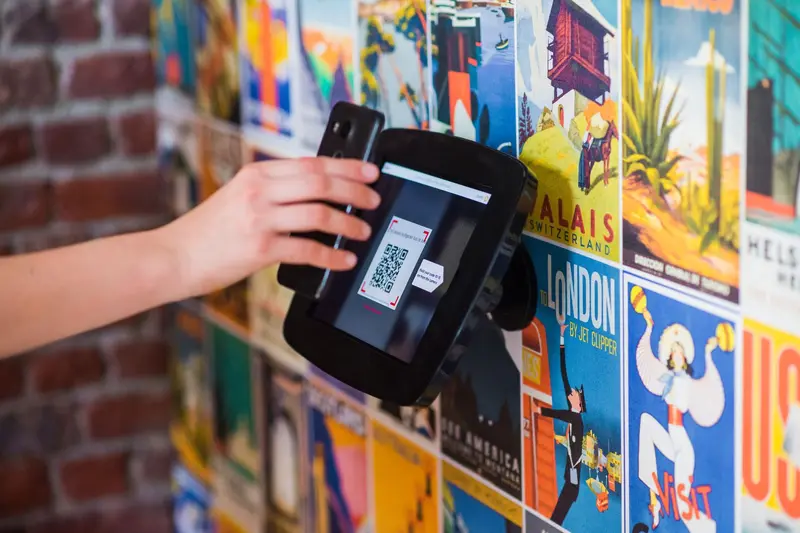
A QR code is a tiny map of black and white squares that carries text, a layout for finding itself, and enough redundancy to survive scratches and smudges.

How QR codes and barcodes carry data, how cameras capture light, how compression shrinks files and how headphones erase noise.
5 articles · 30 quiz questions (10 easy, 10 medium, 10 hard).
A QR code is a tiny map of black and white squares that carries text, a layout for finding itself, and enough redundancy to survive scratches and smudges.

A barcode scanner never reads numbers directly. It measures how long light stays dark and bright as it sweeps across bars, then a check digit confirms the read.

Compression works by removing repetition and predictability. Lossless methods rebuild every bit; lossy methods deliberately throw away detail people rarely notice.

Active noise cancellation measures unwanted sound, plays its mirror image through a tiny speaker, and lets the two waves cancel each other near your ear.
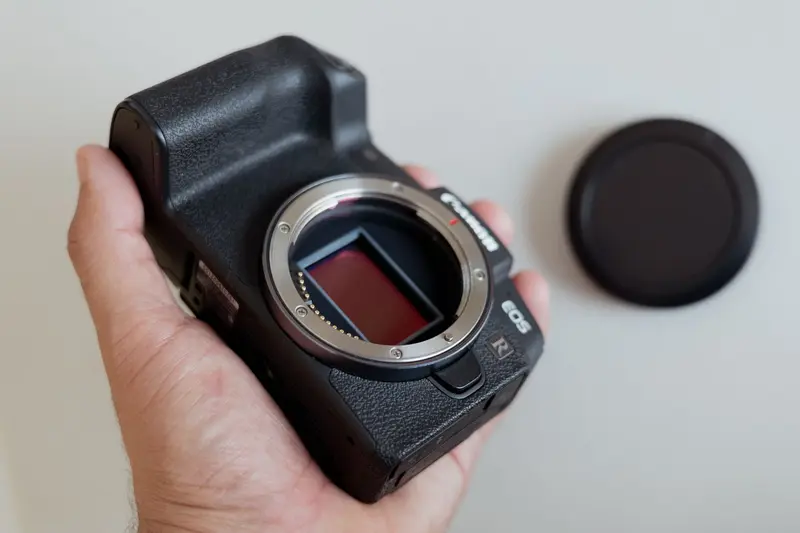
A camera sensor is a grid of tiny light meters. Each one counts photons through a color filter, and software rebuilds a full-color picture from those counts.
From the keyboard layout you type on to the sensors that recognize your fingerprint, everyday devices are full of design decisions with a story behind them.
Airplane mode, Bluetooth, the cloud and encryption: what really happens when your devices talk to each other and to the network.
Batteries, LEDs, solar panels, microwaves and induction cooktops: the physics behind gadgets we use without a second thought.