Computers and Devices
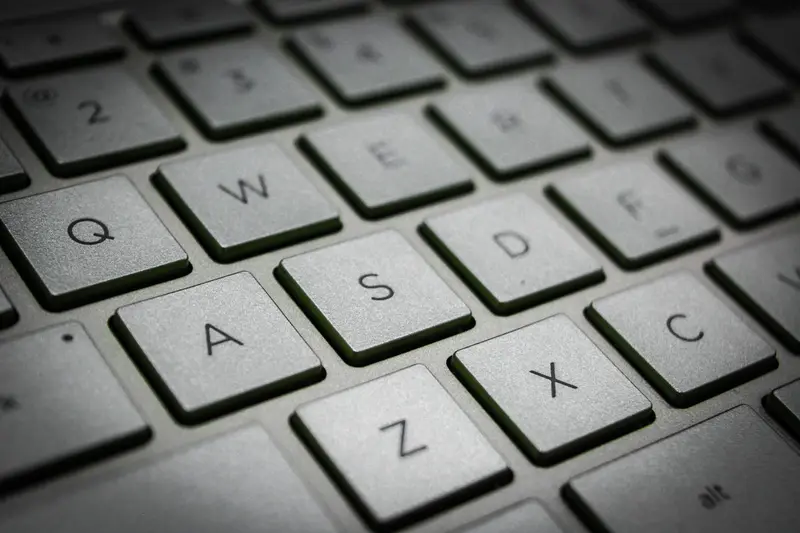
Why Keyboards Use the QWERTY Layout
QWERTY was born inside a nineteenth-century typewriter, and its odd letter order still shapes every phone and laptop today. Here is how it came about and why it stuck.

From the keyboard layout you type on to the sensors that recognize your fingerprint, everyday devices are full of design decisions with a story behind them.
5 articles · 30 quiz questions (10 easy, 10 medium, 10 hard).
QWERTY was born inside a nineteenth-century typewriter, and its odd letter order still shapes every phone and laptop today. Here is how it came about and why it stuck.
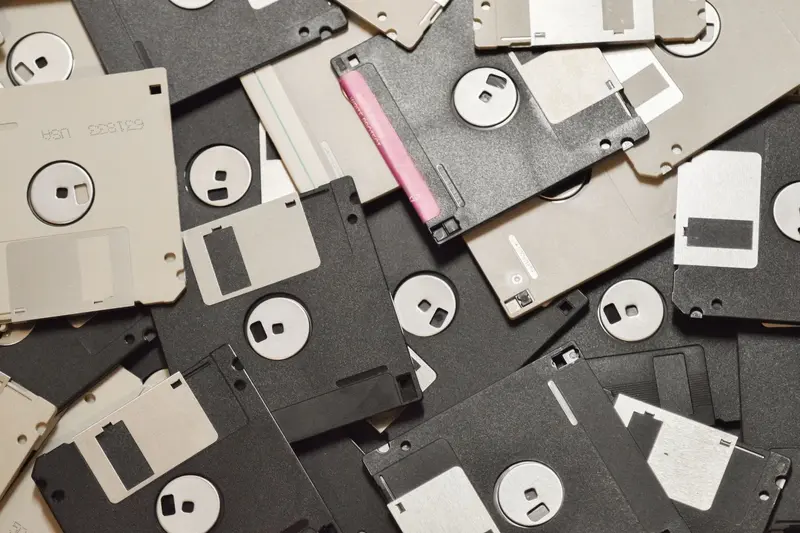
The save button pictures a storage device many users have never held. Its story runs from IBM's 1971 disk to a lasting piece of interface design.
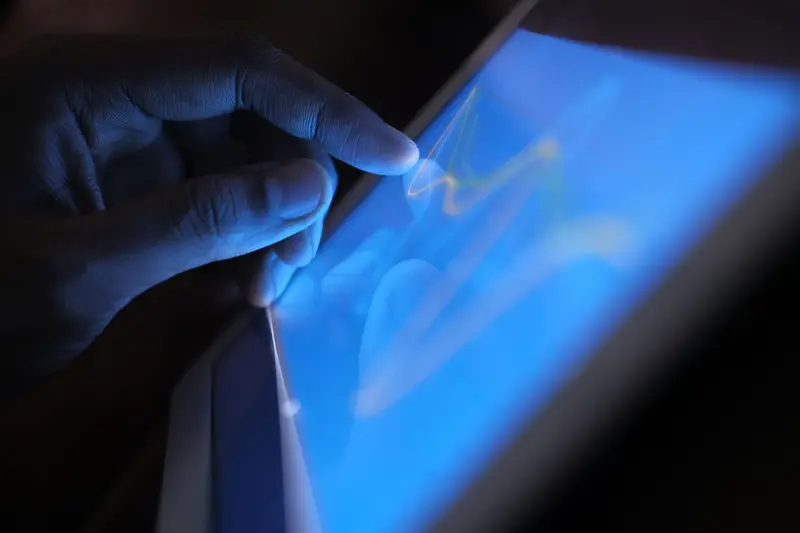
A phone screen does not feel pressure the way a button does. It measures tiny changes in an electric field, and a grid of sensors turns them into coordinates.
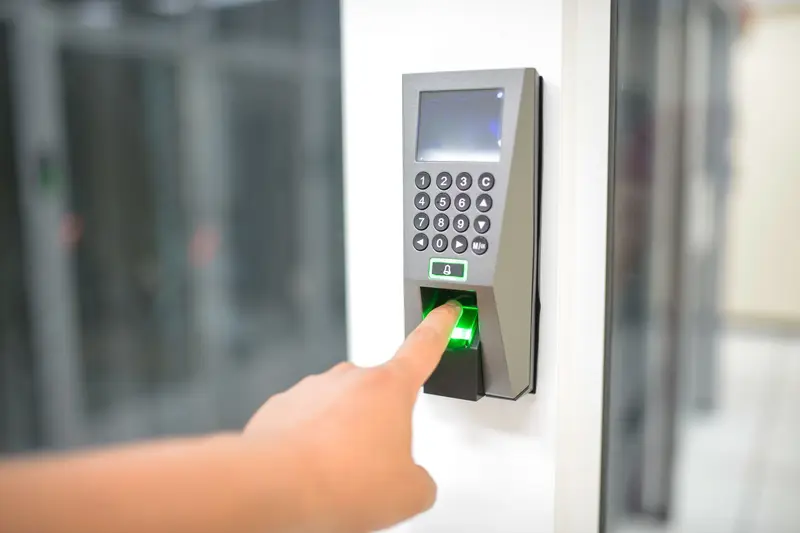
A biometric scanner does not store a photo of your finger or face to compare by eye. It extracts measurements, builds a template, and decides how similar is similar enough.

Some of the most repeated device advice is half true at best. Five popular beliefs about browsers, batteries, radiation, memory, and cameras, checked against reliable sources.
Airplane mode, Bluetooth, the cloud and encryption: what really happens when your devices talk to each other and to the network.
Batteries, LEDs, solar panels, microwaves and induction cooktops: the physics behind gadgets we use without a second thought.
How QR codes and barcodes carry data, how cameras capture light, how compression shrinks files and how headphones erase noise.