Robotics and Machine Intelligence
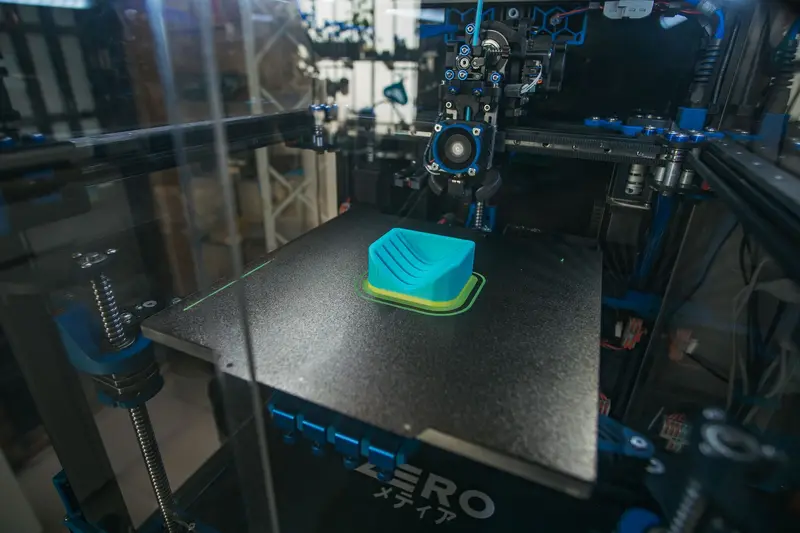
How a 3D Printer Builds Objects
A 3D printer never sees a finished object. It follows a stack of thin cross-sections, adding material one layer at a time until a solid form emerges.

How machines sense, decide and move: 3D printers, drones, robots, voice assistants and recommendation systems.
5 articles · 30 quiz questions (10 easy, 10 medium, 10 hard).
A 3D printer never sees a finished object. It follows a stack of thin cross-sections, adding material one layer at a time until a solid form emerges.
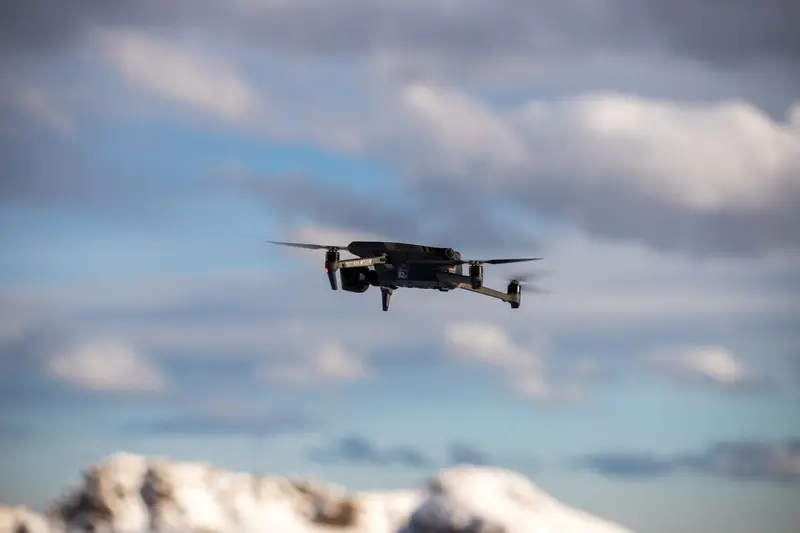
A quadcopter is inherently unstable, yet it hovers almost motionless. The secret is a fast feedback loop that corrects errors hundreds of times per second.
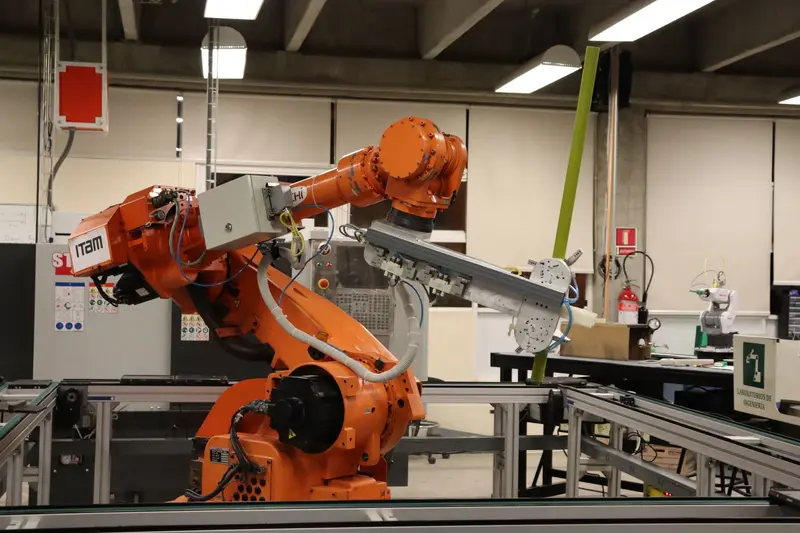
Robots do not see the way people do. They turn light, laser pulses, and motion into numbers, then combine those numbers into a working model of the world.
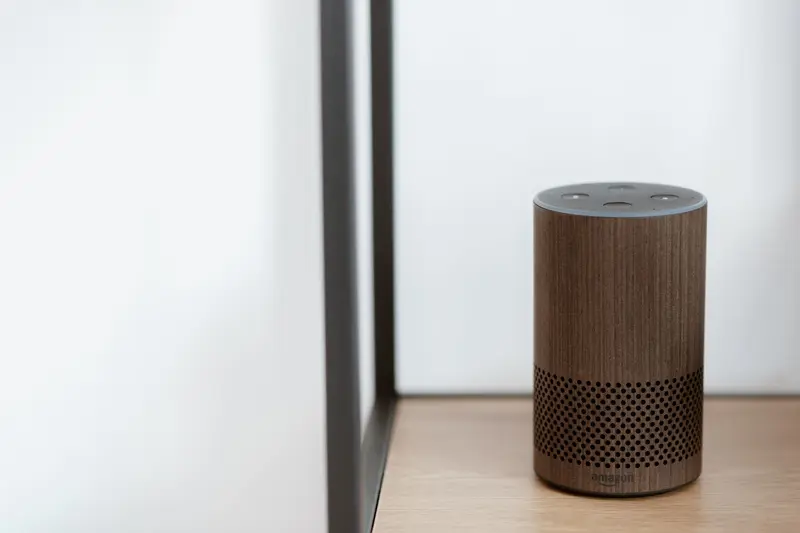
A voice assistant does not hear words. It converts sound into numbers, estimates likely speech sounds, and picks the most probable sentence.

Recommendation systems rarely know why you like something. They find patterns among millions of people and items, then predict what you are likely to choose next.
From the keyboard layout you type on to the sensors that recognize your fingerprint, everyday devices are full of design decisions with a story behind them.
Airplane mode, Bluetooth, the cloud and encryption: what really happens when your devices talk to each other and to the network.
Batteries, LEDs, solar panels, microwaves and induction cooktops: the physics behind gadgets we use without a second thought.