Space and Communication
How Wi-Fi Transmits Data
Wi-Fi is ordinary radio with clever rules for sharing. Here is how bits become waves, how devices take turns, and why walls and neighbors slow you down.

Radio waves, light in glass, cables on the seafloor and satellites overhead: how information and time travel across long distances.
5 articles · 30 quiz questions (10 easy, 10 medium, 10 hard).
Wi-Fi is ordinary radio with clever rules for sharing. Here is how bits become waves, how devices take turns, and why walls and neighbors slow you down.
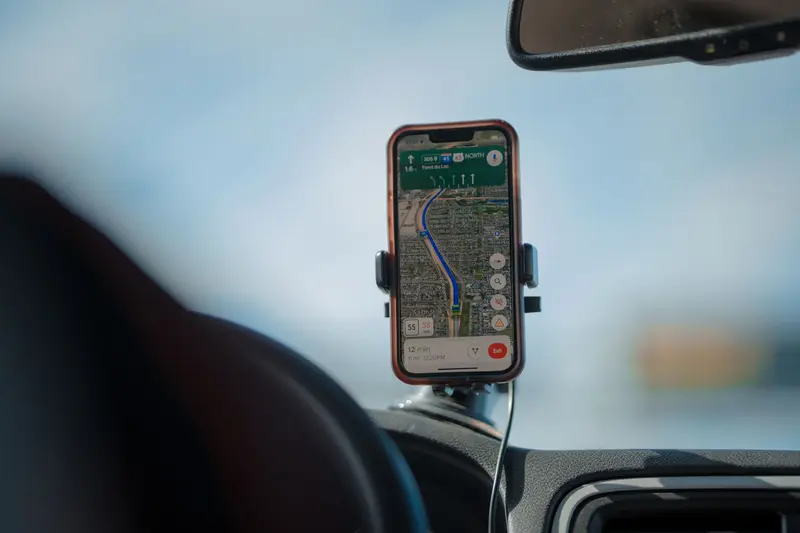
GPS is really a timing system. A billionth of a second equals about 30 centimeters of error, which is why satellites carry atomic clocks and relativity must be corrected.
A strand of glass thinner than a hair can carry a flood of data. The secret is total internal reflection, extraordinarily pure glass, and light at just the right color.

Most intercontinental data crosses oceans through cables barely thicker than a garden hose. Here is how they are built, powered, laid, and repaired.
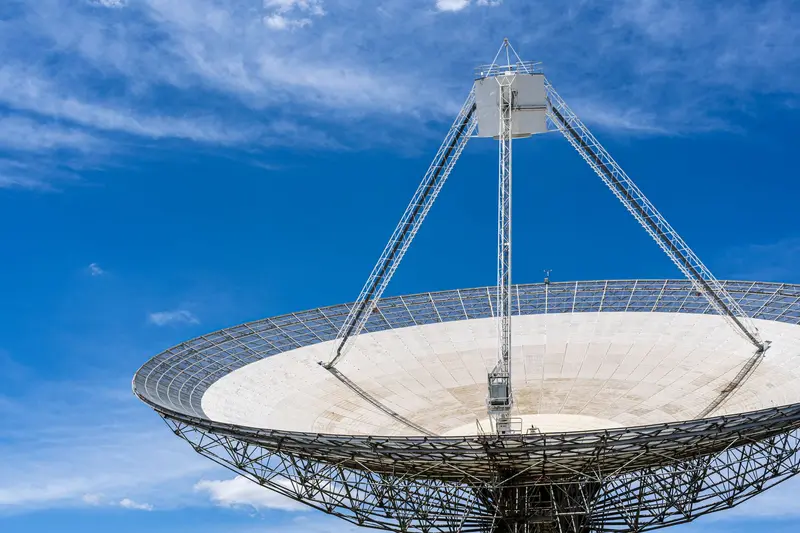
A communications satellite is a radio relay in the sky. Its orbit decides how much of Earth it sees, how long signals take, and what kind of service it can offer.
From the keyboard layout you type on to the sensors that recognize your fingerprint, everyday devices are full of design decisions with a story behind them.
Airplane mode, Bluetooth, the cloud and encryption: what really happens when your devices talk to each other and to the network.
Batteries, LEDs, solar panels, microwaves and induction cooktops: the physics behind gadgets we use without a second thought.