Everyday Inventions
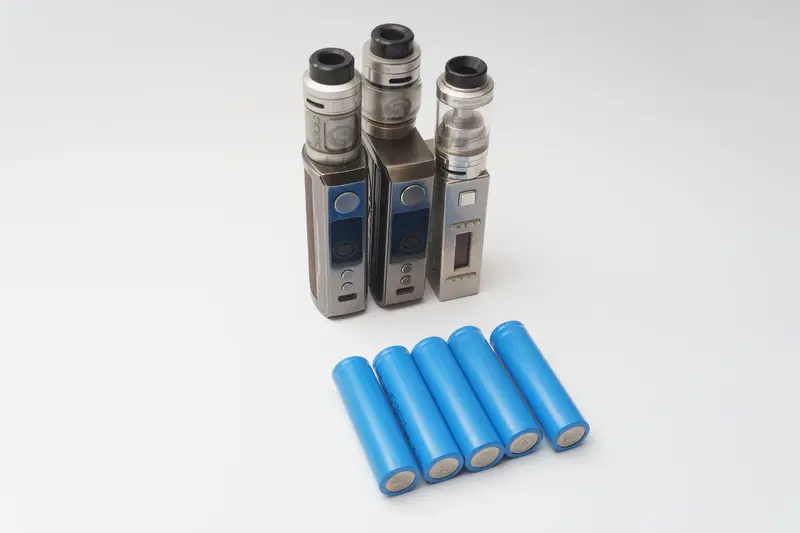
How Rechargeable Batteries Store Energy
A rechargeable battery does not hold electricity. It holds chemical potential, and lithium ions moving between two electrodes turn that potential into current and back again.

Batteries, LEDs, solar panels, microwaves and induction cooktops: the physics behind gadgets we use without a second thought.
6 articles · 30 quiz questions (10 easy, 10 medium, 10 hard).
A rechargeable battery does not hold electricity. It holds chemical potential, and lithium ions moving between two electrodes turn that potential into current and back again.
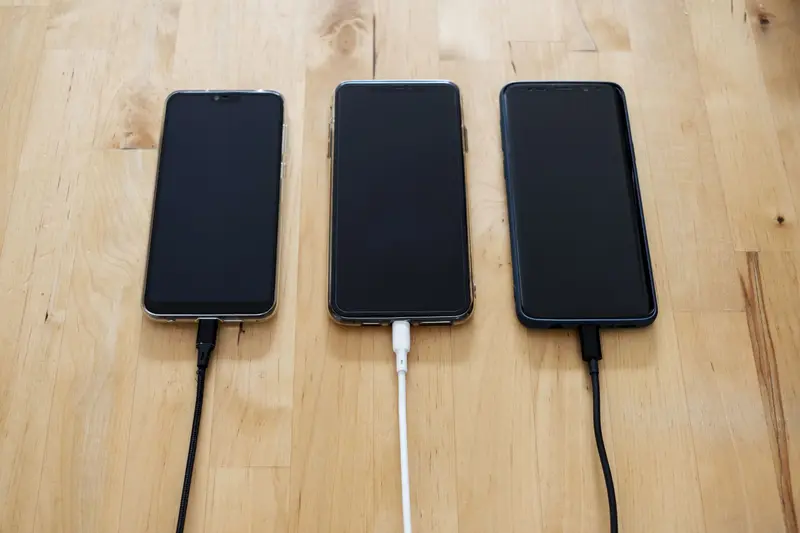
Fast charging is not a magic trick. It is a negotiation between a charger, a battery management system, and the limits of lithium-ion chemistry.
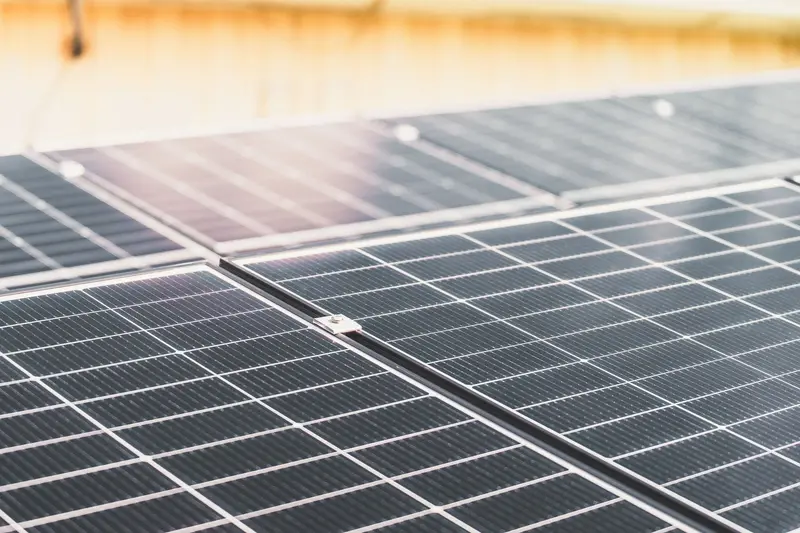
A solar panel has no moving parts. Photons free electrons inside a silicon junction, and a built-in electric field steers them into a current.
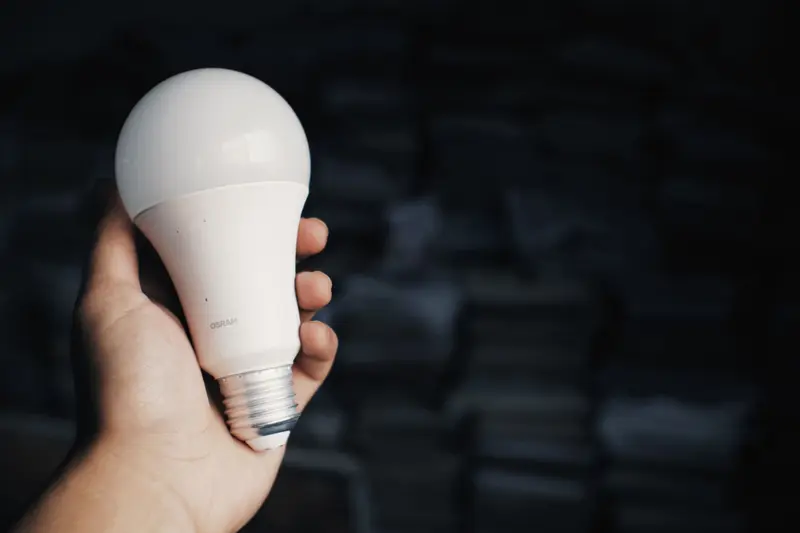
An LED makes light without a glowing filament. Electrons and holes recombine inside a semiconductor, and the band gap decides the color.

A microwave oven does not cook with heat from a flame or coil. It fills a metal box with radio waves that make water molecules in food rotate and warm up.

An induction cooktop does not heat its own surface. A changing magnetic field makes electric currents flow inside the pan, and the pan becomes the burner.
From the keyboard layout you type on to the sensors that recognize your fingerprint, everyday devices are full of design decisions with a story behind them.
Airplane mode, Bluetooth, the cloud and encryption: what really happens when your devices talk to each other and to the network.
How QR codes and barcodes carry data, how cameras capture light, how compression shrinks files and how headphones erase noise.