Computers and Devices
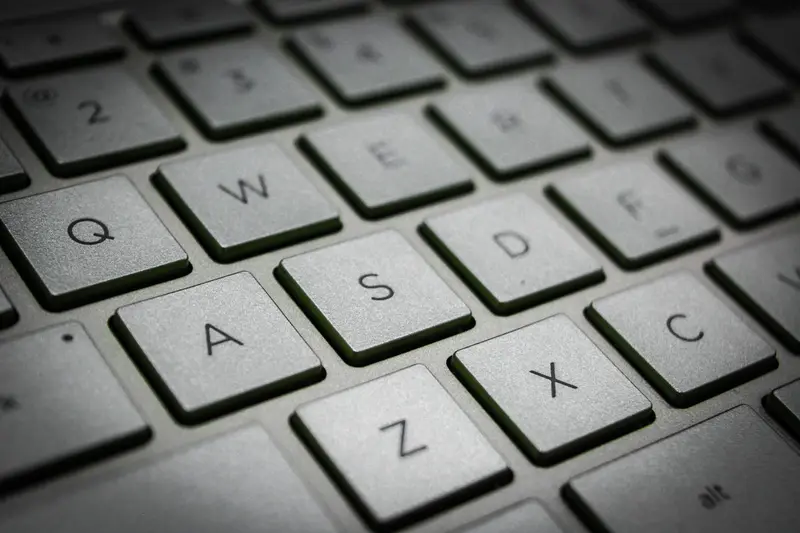
Why Keyboards Use the QWERTY Layout
QWERTY was born inside a nineteenth-century typewriter, and its odd letter order still shapes every phone and laptop today. Here is how it came about and why it stuck.

30 in-depth articles on how everyday technology works, each with sources and a short self-check.
QWERTY was born inside a nineteenth-century typewriter, and its odd letter order still shapes every phone and laptop today. Here is how it came about and why it stuck.
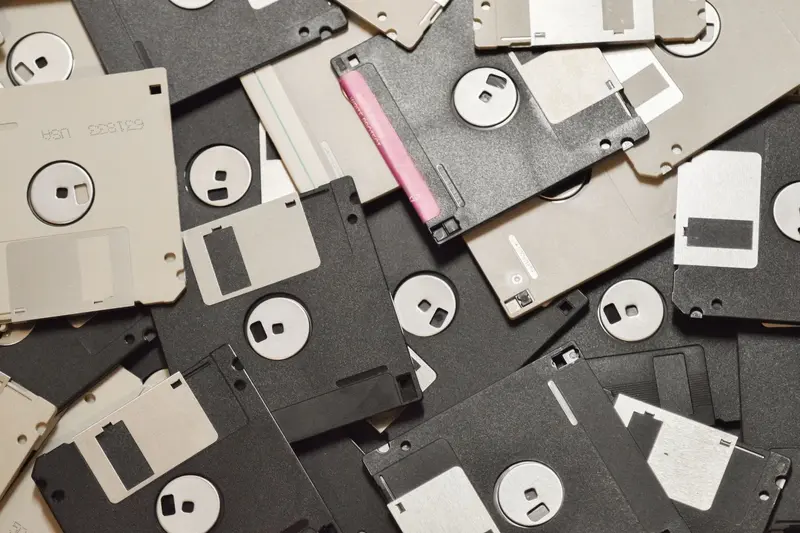
The save button pictures a storage device many users have never held. Its story runs from IBM's 1971 disk to a lasting piece of interface design.
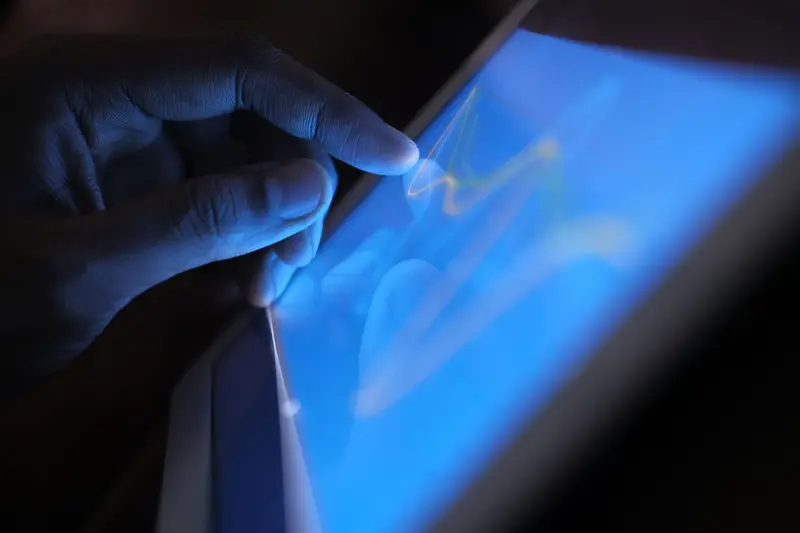
A phone screen does not feel pressure the way a button does. It measures tiny changes in an electric field, and a grid of sensors turns them into coordinates.
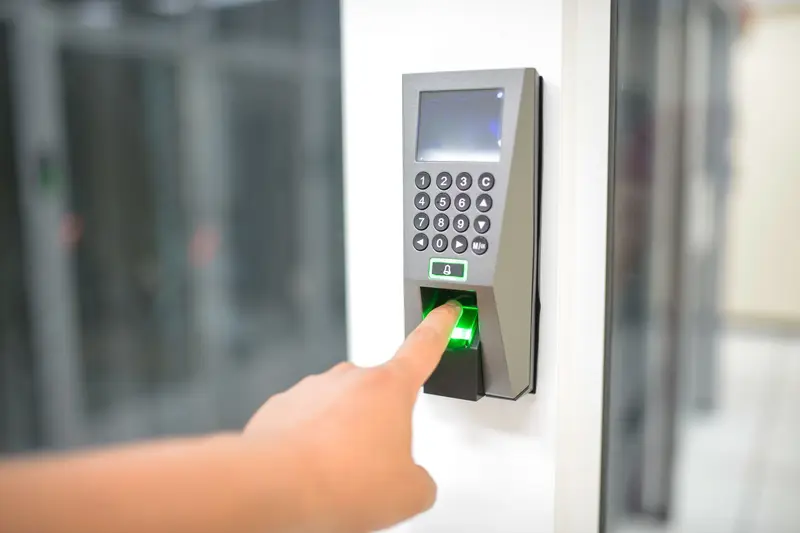
A biometric scanner does not store a photo of your finger or face to compare by eye. It extracts measurements, builds a template, and decides how similar is similar enough.

Some of the most repeated device advice is half true at best. Five popular beliefs about browsers, batteries, radiation, memory, and cameras, checked against reliable sources.
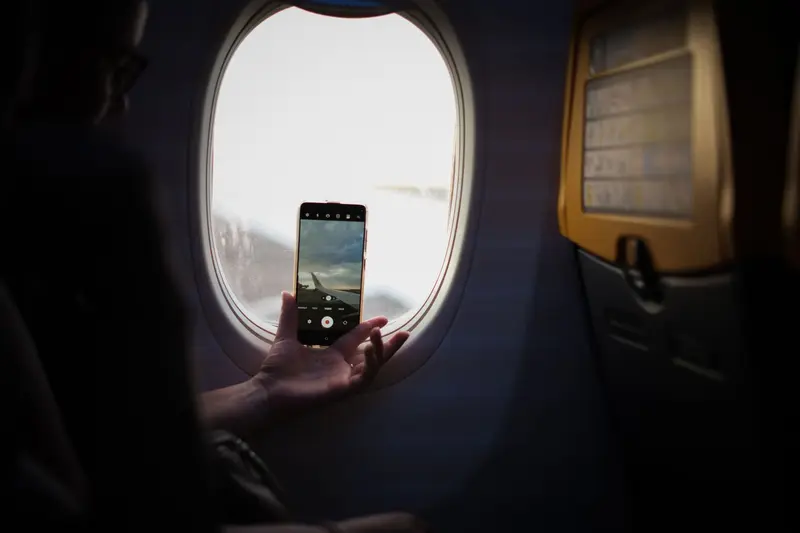
Airplane mode is a single switch that shuts down a phone's transmitters. Here is which radios it silences, why cellular signals are the real concern, and what stays on.
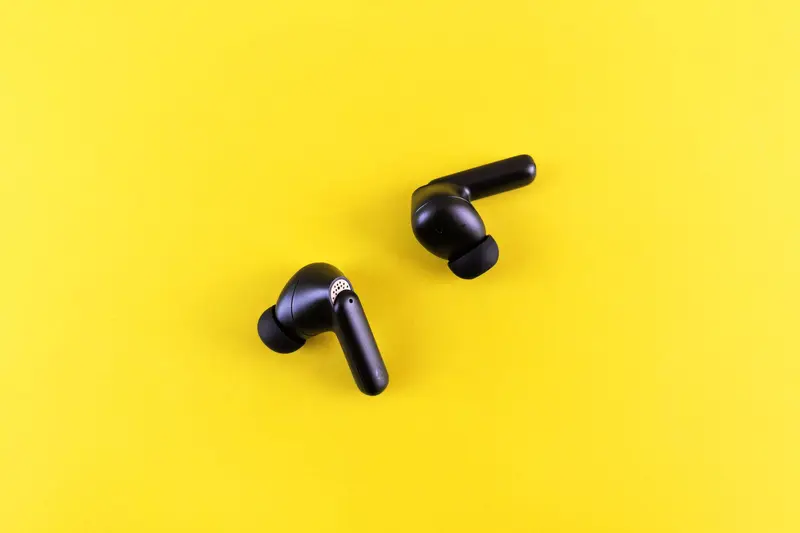
Bluetooth lets headphones, phones, and sensors find each other and share data over short distances. Here is how discovery, pairing, and frequency hopping work.

The cloud is not a place in the sky. It is rented capacity in data centers, with copies, syncing, and access controls. Here is what actually happens to your files.
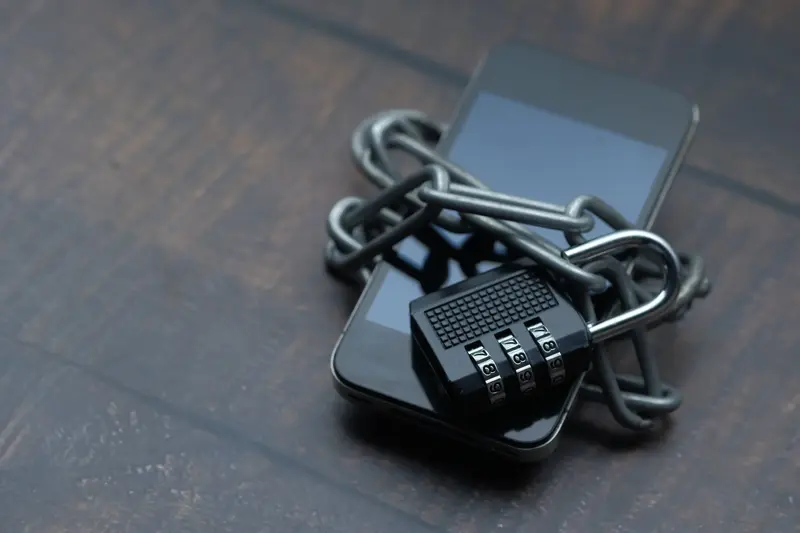
Encryption turns readable data into scrambled bytes that only a key can undo. Here is how symmetric ciphers, public-key exchange, and secure web connections fit together.
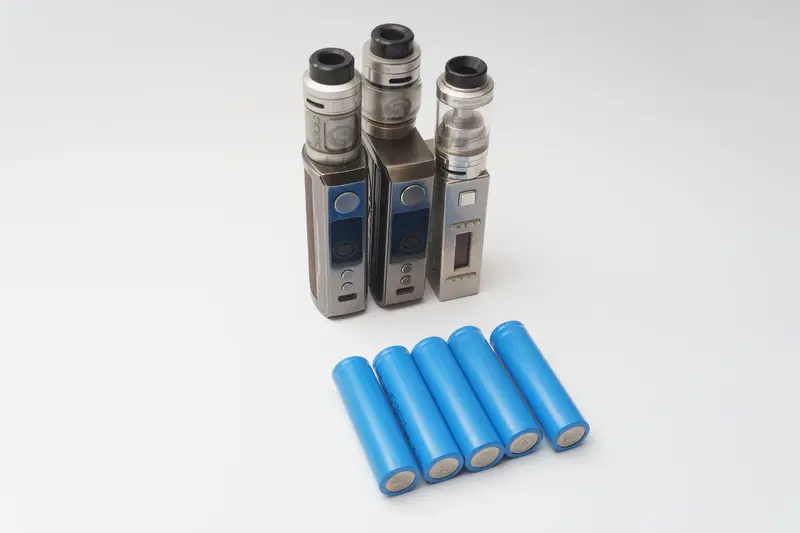
A rechargeable battery does not hold electricity. It holds chemical potential, and lithium ions moving between two electrodes turn that potential into current and back again.
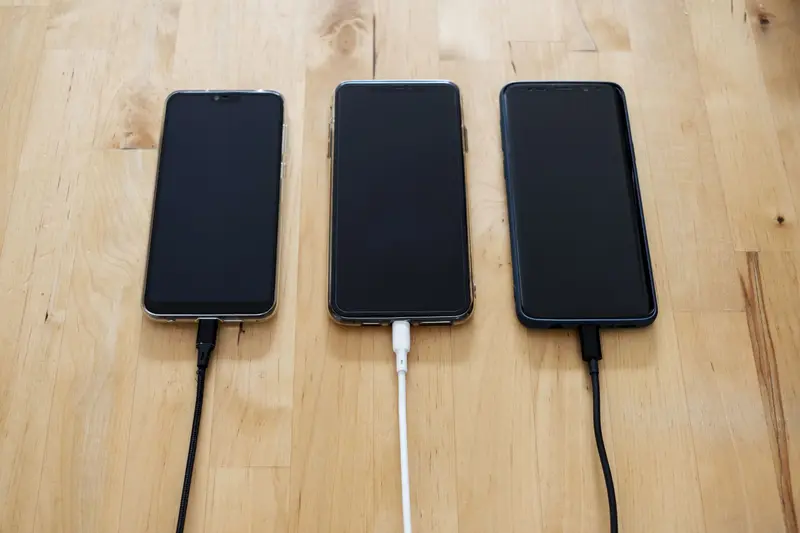
Fast charging is not a magic trick. It is a negotiation between a charger, a battery management system, and the limits of lithium-ion chemistry.
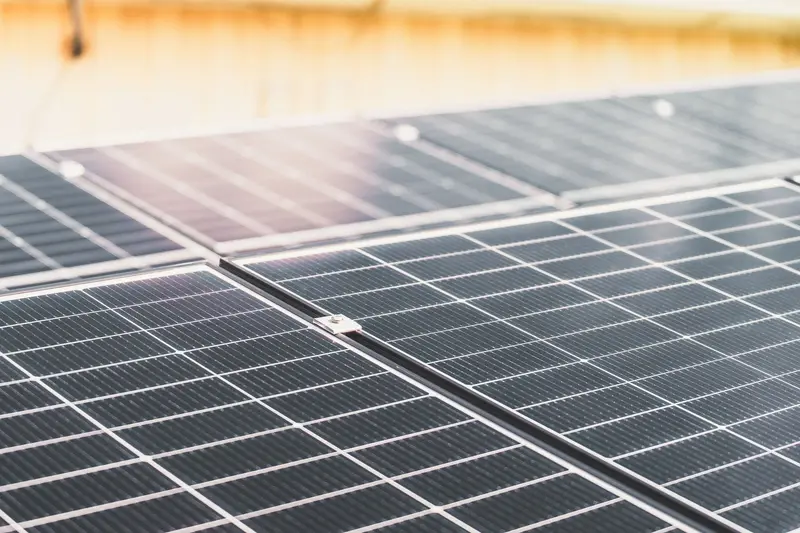
A solar panel has no moving parts. Photons free electrons inside a silicon junction, and a built-in electric field steers them into a current.
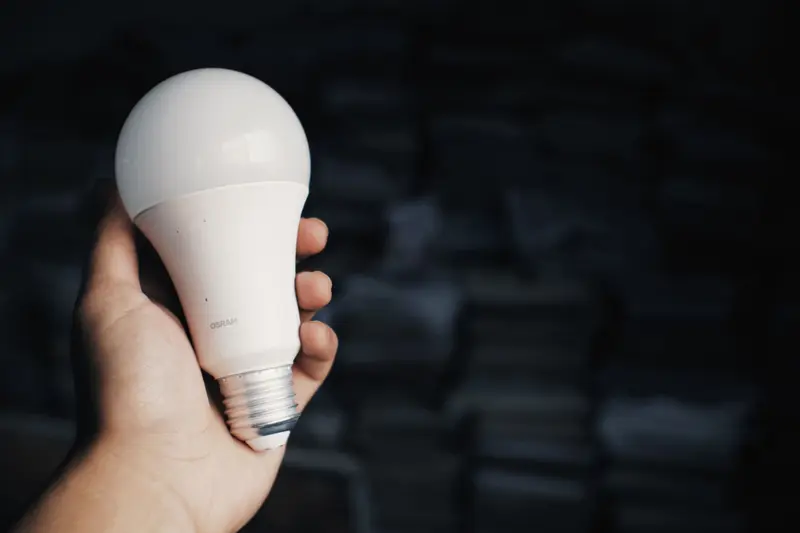
An LED makes light without a glowing filament. Electrons and holes recombine inside a semiconductor, and the band gap decides the color.
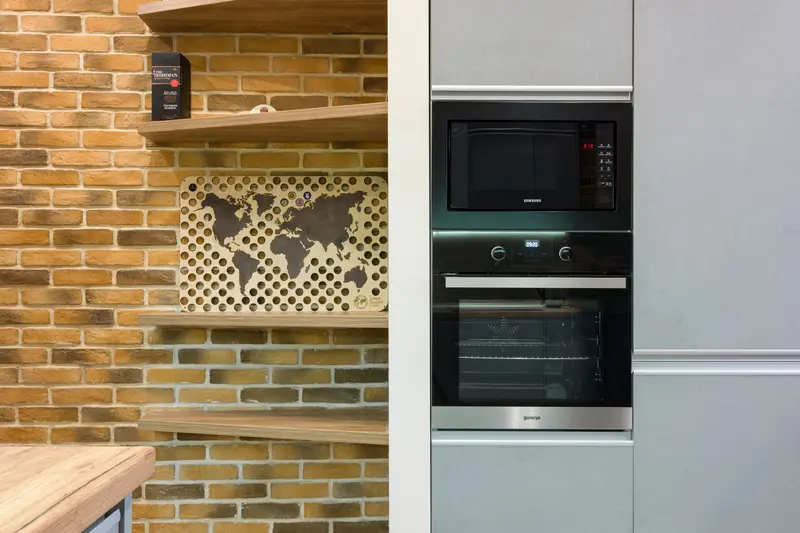
A microwave oven does not cook with heat from a flame or coil. It fills a metal box with radio waves that make water molecules in food rotate and warm up.
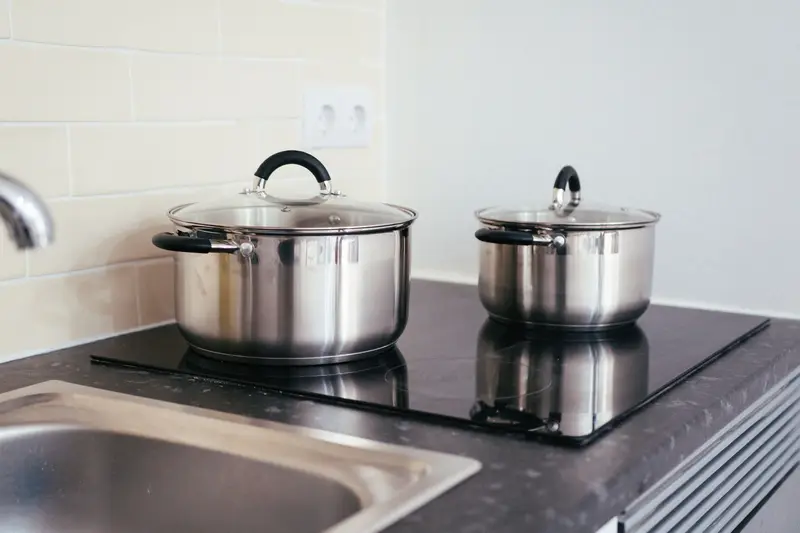
An induction cooktop does not heat its own surface. A changing magnetic field makes electric currents flow inside the pan, and the pan becomes the burner.
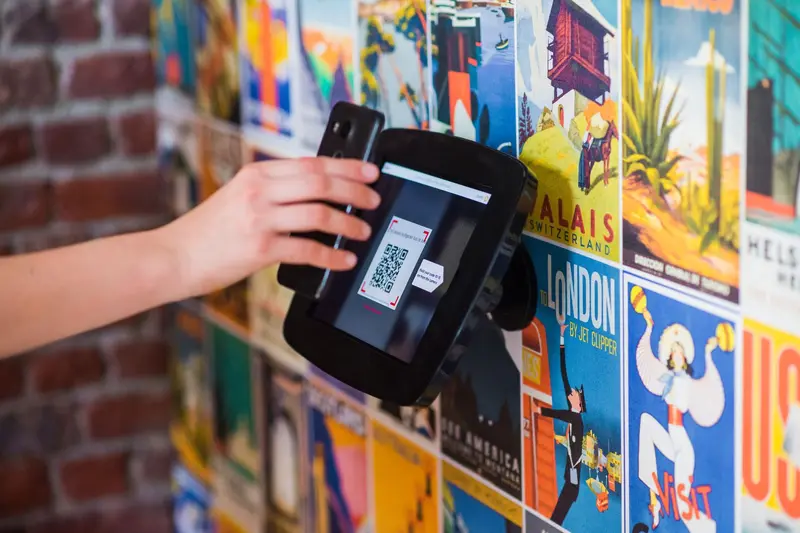
A QR code is a tiny map of black and white squares that carries text, a layout for finding itself, and enough redundancy to survive scratches and smudges.

A barcode scanner never reads numbers directly. It measures how long light stays dark and bright as it sweeps across bars, then a check digit confirms the read.

Compression works by removing repetition and predictability. Lossless methods rebuild every bit; lossy methods deliberately throw away detail people rarely notice.

Active noise cancellation measures unwanted sound, plays its mirror image through a tiny speaker, and lets the two waves cancel each other near your ear.
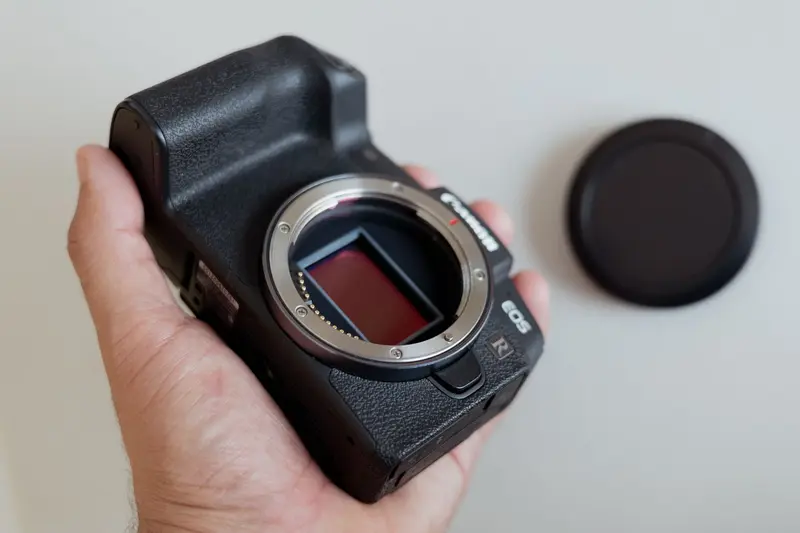
A camera sensor is a grid of tiny light meters. Each one counts photons through a color filter, and software rebuilds a full-color picture from those counts.
Wi-Fi is ordinary radio with clever rules for sharing. Here is how bits become waves, how devices take turns, and why walls and neighbors slow you down.
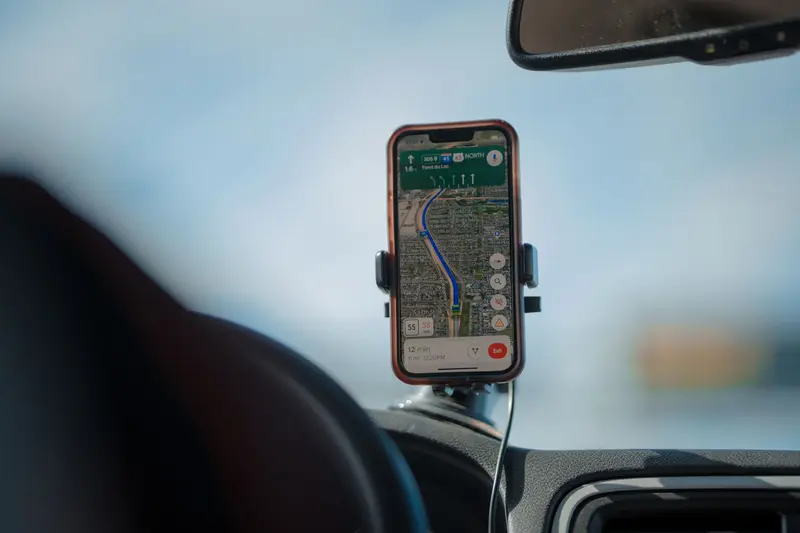
GPS is really a timing system. A billionth of a second equals about 30 centimeters of error, which is why satellites carry atomic clocks and relativity must be corrected.

A strand of glass thinner than a hair can carry a flood of data. The secret is total internal reflection, extraordinarily pure glass, and light at just the right color.

Most intercontinental data crosses oceans through cables barely thicker than a garden hose. Here is how they are built, powered, laid, and repaired.
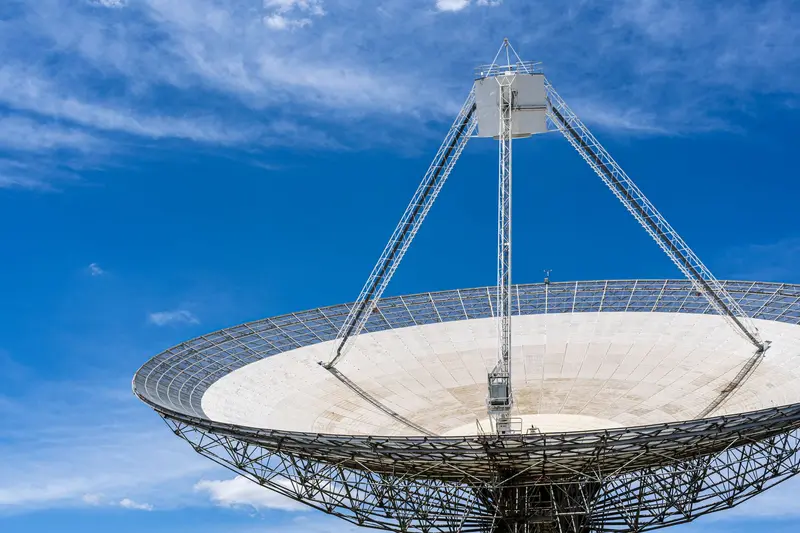
A communications satellite is a radio relay in the sky. Its orbit decides how much of Earth it sees, how long signals take, and what kind of service it can offer.
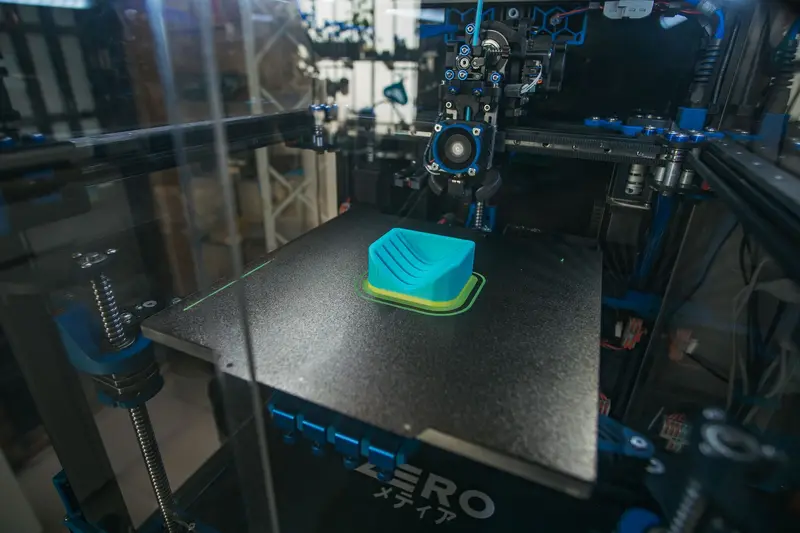
A 3D printer never sees a finished object. It follows a stack of thin cross-sections, adding material one layer at a time until a solid form emerges.
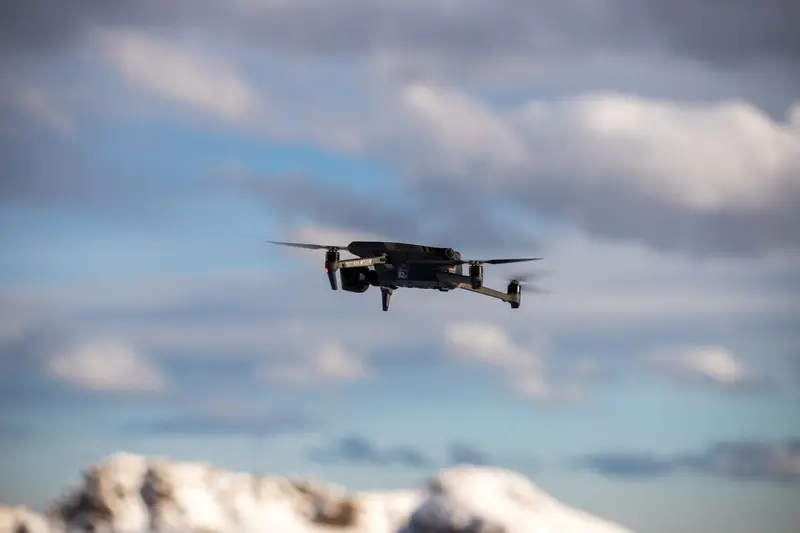
A quadcopter is inherently unstable, yet it hovers almost motionless. The secret is a fast feedback loop that corrects errors hundreds of times per second.
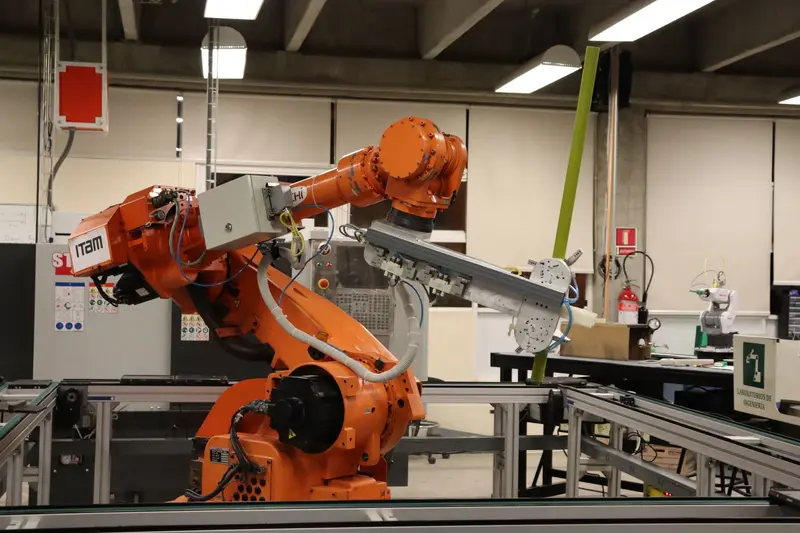
Robots do not see the way people do. They turn light, laser pulses, and motion into numbers, then combine those numbers into a working model of the world.
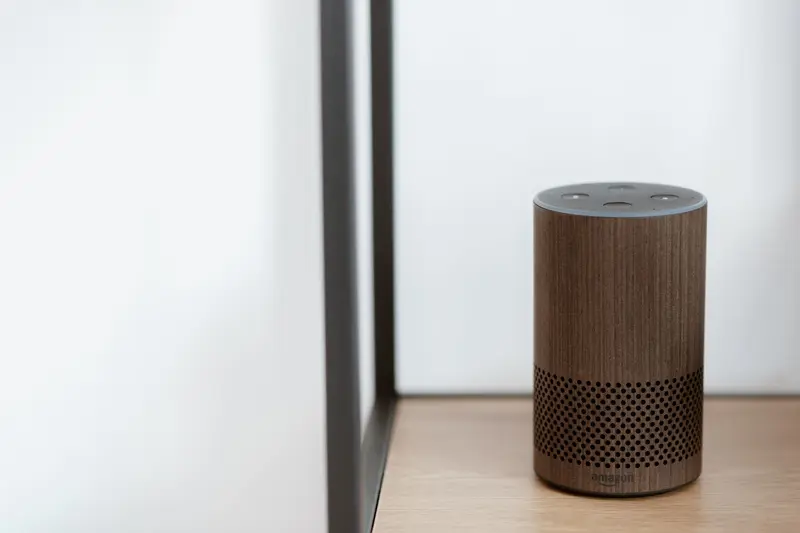
A voice assistant does not hear words. It converts sound into numbers, estimates likely speech sounds, and picks the most probable sentence.
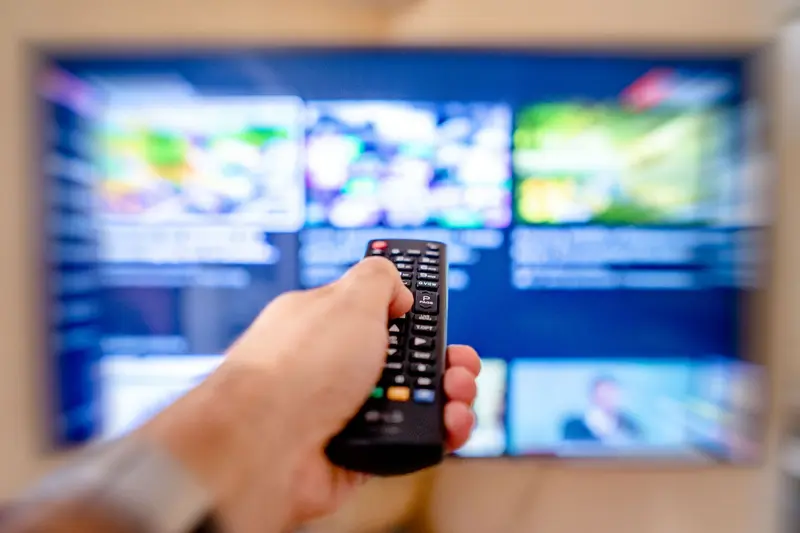
Recommendation systems rarely know why you like something. They find patterns among millions of people and items, then predict what you are likely to choose next.